
Trailer hitch ball mounts hold the ball at the right height behind your receiver. This branch of Drop Hitches & Ball Mounts focuses on the mounts themselves, including fixed, adjustable and multi-ball designs for class I through V receivers. Curt Manufacturing, DrawTite, B&W Hitch and Fastway are listed, along with Jeep adapters. Open a product page for drop and shank details, then compare the products below.
Trailer Hitch Ball Mount
Showing 1–12 of 32 resultsSorted by popularity
-
-
-
Drop Hitches & Ball Mounts, Towing, Trailer Hitch Ball Mount

Fastway Flash Adjustable Locking Ball Mount – 47-00-3400
 Drop Hitches & Ball Mounts, Towing, Trailer Hitch Ball Mount
Fastway Flash Adjustable Locking Ball Mount – 47-00-3400
- Dual hitch balls for hooking up to different trailers
- Built-in locks, so separate hitch and adjustment pins are not needed
- 4 Inch Drop with a 2 Inches shank
- Aluminum body with chrome finish and tethered cover
- Part number DTM47-00-3400 from Fastway Trailer Products
SKU: DTM47-00-3400 -
Drop Hitches & Ball Mounts, Towing, Trailer Hitch Ball Mount

DrawTite Class V Forged Ball Mount (Black) – 40330
 Drop Hitches & Ball Mounts, Towing, Trailer Hitch Ball Mount
DrawTite Class V Forged Ball Mount (Black) – 40330
- DrawTite Class V forged ball mount, part number DRA40330
- 2 inch drop with a 2 inch by 2 inch shank
- 1.250 inch ball hole, black steel finish
- Universal fit; confirm receiver size and weight rating before ordering
SKU: DRA40330 -
-
Drop Hitches & Ball Mounts, Towing, Trailer Hitch Ball Mount

Curt Slim Adjustable Channel Mount with Dual Ball – 45903
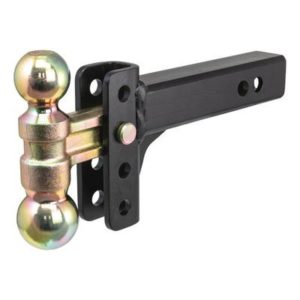 Drop Hitches & Ball Mounts, Towing, Trailer Hitch Ball Mount
Curt Slim Adjustable Channel Mount with Dual Ball – 45903
- Light-duty adjustable channel mount with a dual ball head
- Dual 2 inch and 2-5/16 inch trailer balls
- Maximum drop 3-3/4 inch and maximum rise 3-1/2 inch
- Rated 8,000 lbs on the 2 inch ball and 10,000 lbs on the 2-5/16 inch ball
SKU: CRT45903 -
Drop Hitches & Ball Mounts, Towing, Trailer Hitch Ball Mount
Curt Rebellion XD Adjustable Ball Mount with 2-1/2″ Shank – 45955
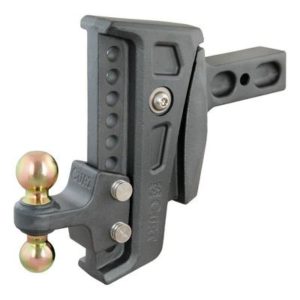 Drop Hitches & Ball Mounts, Towing, Trailer Hitch Ball Mount
Curt Rebellion XD Adjustable Ball Mount with 2-1/2″ Shank – 45955
- Cushion hitch with ShockDrop technology for a smoother ride
- 2-1/2 inch x 2-1/2 inch shank for class 5 receivers
- Adjustable shank with 8 inch maximum drop and 1 inch maximum rise
- Rated 10,000 lbs with a 2 inch ball and 20,000 lbs with a 2-5/16 inch ball
SKU: CRT45955 -
Drop Hitches & Ball Mounts, Towing, Trailer Hitch Ball Mount
Curt Manufacturing Rebellion XD Adjustable Cushion Hitch – 45951
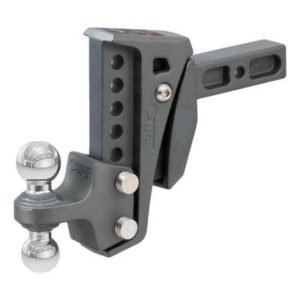 Drop Hitches & Ball Mounts, Towing, Trailer Hitch Ball Mount
Curt Manufacturing Rebellion XD Adjustable Cushion Hitch – 45951
- Cushion hitch with a ShockDrop isolator to reduce jarring and rattling
- Adjustable shank with a maximum drop of 6 inch and 6 height adjustment positions
- Rated 10,000 lbs with a 2 inch ball and 15,000 lbs with a 2-5/16 inch ball
- Cast steel with textured dark grey teridium finish
SKU: CRT45951 -
Drop Hitches & Ball Mounts, Towing, Trailer Hitch Ball Mount
Curt Manufacturing Class III/IV Multi Ball Mount (Black) – 45665
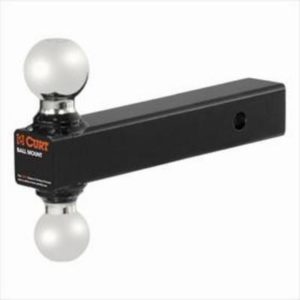 Drop Hitches & Ball Mounts, Towing, Trailer Hitch Ball Mount
Curt Manufacturing Class III/IV Multi Ball Mount (Black) – 45665
- Curt Manufacturing CRT45665 Class III/IV multi ball mount in black steel
- 2 inch rise with a 2 inch by 2 inch shank
- Fixed ball hole size
- Universal fit; check your receiver before use
SKU: CRT45665

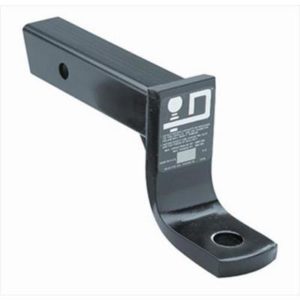

What a ball mount is
A ball mount is the steel shank and platform that slides into the receiver and supports the hitch ball. It sets how high the ball sits, and it carries the tongue weight of the trailer. The listings here include classic fixed mounts, adjustable mounts with a set of holes or pivoting channel, loaded mounts that come with a ball, and multi-ball mounts that carry two or three ball sizes.
Choosing the class and size
The mount must match the receiver opening. Class I and II mounts typically use a 1-1/4 inch shank, and class III through V mounts normally use a 2 inch shank. A mount for a larger class is generally heavier and rated for more weight. Look for the class in the product title, and note that the ratings listed are the maximum for that mount, not a license to tow beyond your vehicle's limit.
- Drop or rise: Chosen so the trailer sits level, measured from the ground to the receiver and the coupler.
- Ball hole size: Common sizes like 3/4 inch and 1 inch must match the hitch ball shank diameter.
- Finish: Black powder coat or similar finishes resist rust.
Specs to compare
Compare the gross trailer weight rating and the tongue weight rating, both of which should be above what you plan to tow. Check the shank length and the total length from receiver to ball, because a longer mount can clear a bumper or spare tire but may increase leverage on the receiver. Fixed ball hole designs have a ball already built in, while open-hole mounts need a separate ball. Forged mounts are a strong option for heavier loads.
Safety and installation notes
Set your trailer level for the most stable towing and proper brake performance. Use a locking hitch pin and a clip, and torque the hitch ball nut to the manufacturer's specification. Adjustable mounts add flexibility, but check the hardware regularly for wear and tightness, and make sure the rating covers your trailer.
Your receiver, ball mount, ball and coupler each have a rating, and the lowest one governs your setup. Verify the vehicle's tow rating in the owner's manual, and consult a hitch professional for heavy trailers or weight distribution systems. Confirm that Jeep or vehicle-specific adapters match your exact year, make and model before choosing.
Matching parts and common mistakes
A ball mount works as part of a system, so check each piece before towing. The hitch ball must match the coupler size and have a rating at least equal to the trailer, and the ball must be mounted with the proper shank diameter and the flat washer and lock washer or nut that came with it. The pin must fit the receiver holes, and some mounts need a different pin diameter depending on class.
Frequent mistakes include selecting too much drop, which leaves the coupler too high on the ball, and not enough, which leaves the trailer tilted nose-down. Another is assuming a mount from one brand has the same hole pattern for pins as another. Using a drop mount upside down as a rise mount is possible only when the manufacturer says so, because the markings and hardware may be one-way.
For maintenance, check for cracked welds, bent shanks and rust, particularly where the shank meets the platform. Clean threads and apply a light coat of grease to the ball only where the manufacturer recommends. Replace any mount that has been overloaded or bent, since a damaged mount can fail suddenly.
Popular Trailer Hitch Ball Mount brands
Trailer Hitch Ball Mount FAQ
What shank size do I need?
It must match your receiver tube. Light-duty class I and II receivers commonly use 1-1/4 inch, while class III, IV and V receivers use 2 inch. Measure the opening or check the receiver label to confirm.
What is a loaded ball mount?
A loaded mount comes with a hitch ball already installed, so you do not need to buy the ball separately. Make sure the ball size matches your trailer's coupler and the combined rating is adequate.
How do I know whether to use a drop or a rise?
Measure from the ground to the top of the receiver opening and to the coupler with the trailer level. If the coupler is lower than the receiver, you need a drop. If higher, you need a rise.
Are adjustable ball mounts safe for heavy trailers?
They can be if the rating covers your load and the hardware is tight and in good condition. Heavier trailers often do better with a forged fixed mount. Always check ratings and consult the manufacturer.