
Suspension
Showing 4525–4536 of 5579 resultsSorted by popularity
-
Shock Absorbers
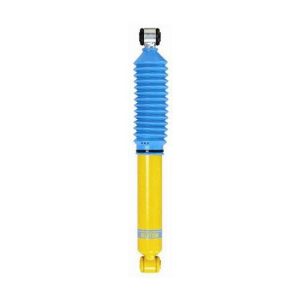
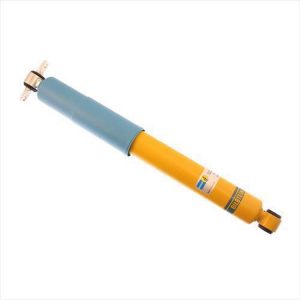
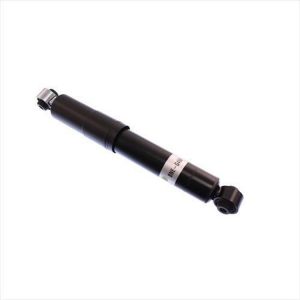
Bilstein 4600 Series Shock Absorber – 24-013093
- Bilstein 24-013093 front 4600 Series shock absorber, precision formed body
- Manufacturer list covers 1987-1995 Jeep Wrangler (YJ)
- Chrome plated, induction hardened steel shaft and high quality seals
- Limited lifetime warranty stated by Bilstein
SKU: BIL24-013093 -
Shock Absorbers
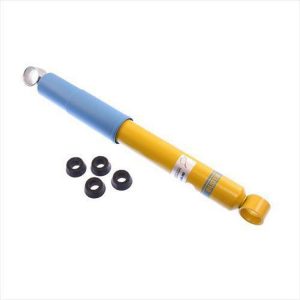
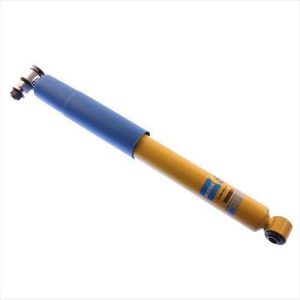
Bilstein 46mm Monotube Shock Absorber – 24-011402
- Bilstein 46mm monotube rear shock absorber, part number 24-011402
- Fits 1984–1989 Toyota 4Runner (DLX, SR5) models
- Also fits 1984–1995 Toyota Pickup (Base, Base Turbo, DLX, DLX Turbo, SR5, SR5 Turbo) models
- Heavy duty, gas charged, yellow finish
- Old part number BILF4-B46-1140-H2
SKU: BIL24-011402 -
Shock Absorbers
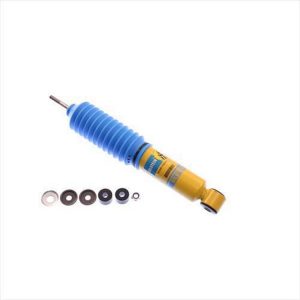
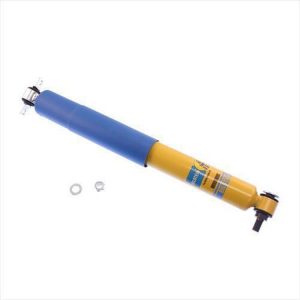
Bilstein 4600 Series Shock Absorber – 24-011396
- Bilstein 4600 Series front gas charged monotube shock absorber, part number 24-011396
- Direct fit for the listed 1986–1989 Toyota 4Runner (DLX, SR5) models
- Also fits 1986–1995 Toyota Pickup (Base, Base Turbo, DLX, SR5, SR5 Turbo) models
- Lift/drop 0 in, 2 in body diameter, yellow finish
- Boots included, no reservoir
SKU: BIL24-011396 -
Shock Absorbers
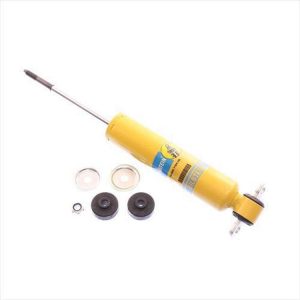
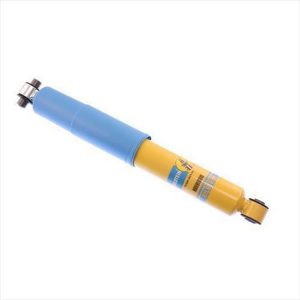
Bilstein 46mm Monotube Shock Absorber – 24-011044
- Bilstein 24-011044 front 46mm monotube gas charged shock absorber
- Performance Series, Heavy Duty label, yellow finish
- Manufacturer list covers 1972-1979 Ford Ranchero (500, GT, Squire)
- Old part number BILF4-B46-1104-H0 listed
SKU: BIL24-011044 -
Shock Absorbers
Bilstein 46mm Monotube Shock Absorber – 24-010467
- Bilstein 24-010467 rear monotube gas charged shock absorber, 4600 Series
- Manufacturer list covers 1984-2001 Jeep Cherokee (XJ)
- 2 in body diameter, yellow finish, boots included
- Direct fit, lift height 0 in, no reservoir
SKU: BIL24-010467 -
Shock Absorbers
Bilstein 46mm Monotube Shock Absorber – 24-009331
- Bilstein 24-009331, 46mm monotube gas charged rear shock absorber
- Part of the Bilstein 4600 Series, yellow finish, Heavy Duty label
- No vehicle is named for this part number, so check fitment first
- Old part numbers BILF4-B46-0933-H0 and BILF4-B46-0933-H1 listed
SKU: BIL24-009331 -
Shock Absorbers
Bilstein 46mm Monotube Shock Absorber – 24-009294
- Bilstein 24-009294, 46mm monotube rear shock absorber, Performance Series
- Yellow heavy duty build, gas charged, direct fit type
- Fits 1968-1987 Chevrolet El Camino, 1978-1986 GMC Caballero and 1975-1977 GMC Sprint
- Not for self-leveling systems
SKU: BIL24-009294 -
Shock Absorbers
Bilstein 4600 Series Shock Absorber – 24-009232
- Bilstein 4600 Series shock absorber, part number 24-009232
- Front position, monotube gas charged design
- 2 in. body diameter, yellow finish
- Boots included; no reservoir
- Lift height 0 in. lift or drop
- Confirm year, make, model and trim before ordering
SKU: BIL24-009232 -
-
Shock Absorber Reservoir Mount Clamps
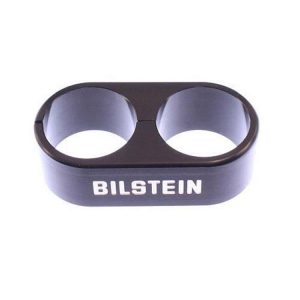
Bilstein Billet Aluminum Reservoir Mounting Clamp – 11-176015
- Bilstein 11-176015 billet aluminum reservoir mounting clamp from the B1 line
- Two-piece design held together by two heavy duty stainless bolts
- Built for Bilstein 5160 and 5165 Series shock absorbers
- Universal fit, not tied to one vehicle
SKU: BIL11-176015 -
-


How the suspension parts relate
A 4x4 suspension is a system. Springs, whether coil or leaf, hold up the vehicle. Shocks control how fast those springs move. Control arms, track bars, and traction bars locate the axle. Bushings and sway bar links cushion and connect parts. When you change one element, such as lift height, other parts often need to change too, which is why complete lift kits exist alongside individual parts.
Where to begin
- Rough or floaty ride: start with shocks. Series like Rancho RS5000, Bilstein 5100, and Fox 2.0 differ in valving and design.
- More ground clearance and tire room: a lift kit or leveling kit, picked by lift height.
- Sagging or tired leaf springs: replace the springs with new leaf springs, plus bushings, shackles, and hardware.
- Clunks or looseness: check bushings, sway bar links, and track bar parts.
Specs to compare
For shocks, compare piston and rod diameter, twin tube versus monotube construction, valving, and reservoir options. For lift kits, compare lift height, shock inclusion, and the maximum tire size. For springs, compare leaf count, rate, and whether bushings are included. For bushings, note material, such as polyurethane or rubber, and size. Fitment notes such as front or rear, 2WD or 4WD, and year range matter as much as the specs.
Installation and safety
Suspension work involves heavy parts and stored spring energy, and it affects steering and braking. Use proper jack stands, follow the manufacturer torque specifications, and tighten bushing bolts with the vehicle at ride height. A professional alignment is needed after most changes, and a shop installation is a good idea if you are not experienced.
Confirming compatibility
Suspension parts are vehicle specific. Confirm fitment for your exact year, make, model, drive type, and cab or wheelbase, and check the manufacturer specifications on each product page. Lift height and tire size rules vary by state, so check local regulations.
Because suspension modifications interact, plan the whole setup rather than buying parts piecemeal. Decide on your tire size and lift height first, then select shocks, springs, and supporting parts that suit that target, and budget for the alignment and any driveline corrections that follow.
Maintenance and inspection
Suspension parts wear slowly, so inspect them on a schedule. Look for torn bushings, leaking shocks, cracked leaf spring eyes, loose U-bolts, and bent track bars. Check torque on U-bolts and control arm bolts after the first few hundred miles following any work, then at routine service. Grease any fittings that call for it. Keep mud and debris out of the spring packs, which can wear leaves and cause squeaks. Match both sides when replacing worn components, since mixing new and old shocks or springs gives uneven handling. Be careful with mixed brands in one system, as damping and spring rates are designed to complement each other, and keep records of what you installed. When in doubt about a part, the manufacturer's specifications and installation instructions are the final word on torque values and compatibility. Keep notes of what you changed and when.
Popular Suspension brands
- Pro Comp Suspension (1,351)
- Rancho (545)
- Bilstein (485)
- Rubicon Express (461)
- Skyjacker (446)
- Fabtech (427)
- Fox Racing Shox (347)
- ARB 4x4 Accessories (241)
- Energy Suspension (192)
- Daystar (191)
- Tuff Country (146)
- TeraFlex (141)
Shop Suspension by type
- Shock Absorbers (2,597)
- Lift Kits (1,046)
- Leaf Spring (250)
- Suspension Leveling Kits (247)
- Sway Bar Bushings & Brackets (130)
- Leaf Spring Bushings & Pads (128)
- Suspension Block and U-Bolt Kit (118)
- Leaf Spring Shackle Kit (87)
- Sway Bar Link - Non Disconnect (67)
- Shock Absorber Boot (61)
- Shock Absorber Bushing (54)
- Track Bar (55)
- Lift Kit-Suspension Component (54)
- Leaf Spring Shackle Bushing (50)
- Track Bar Bracket (49)
- Suspension Block (47)
- Sway Bar Assemblies (42)
- Long Arm Upgrade (43)
- Shackle Reversal Kits (36)
- Limiting Strap (32)
- Leveling Compressor Kits (29)
- Sway Bar Link - Disconnect (29)
- Track Bar Bushings (27)
- Leaf Spring Plate (21)
- Leaf Spring Hanger (19)
- Leaf Spring Bolt (18)
- Master Bushing Kit (16)
- Traction Bar (16)
- Traction Bar Bracket (15)
- Spindle (13)
Suspension FAQ
What should I upgrade first on my suspension?
Shocks are a common first step because they improve control and comfort without changing height. If you want more clearance or bigger tires, a lift or leveling kit is the next step.
What is the difference between a lift kit and a leveling kit?
A lift kit raises the whole vehicle, often with new springs or components, while a leveling kit usually raises just the front to match the rear. Both change geometry, so alignment is needed.
How do I know if my shocks are worn?
Signs include a bouncy or floaty ride, nose dive under braking, leaking fluid, and uneven tire wear. Shocks wear gradually, so replace them in pairs on an axle and check them regularly for leaks.
Do I need new bushings with new springs?
Often yes, particularly with leaf springs. Worn bushings cause noise and sloppy handling, and replacing them while the parts are already apart saves a good deal of labor later.