
Fog & Driving Lights
Showing 13–24 of 328 resultsSorted by popularity
-
Offroad Racing
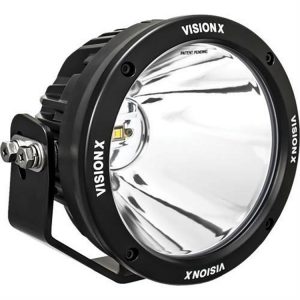
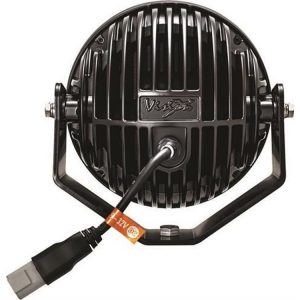
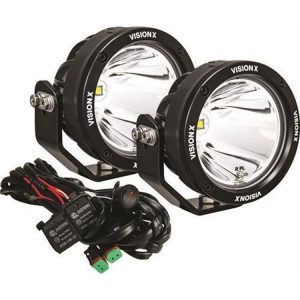
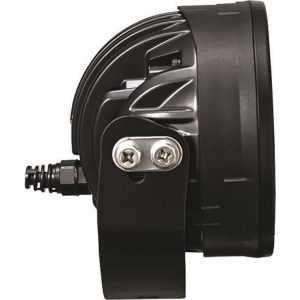
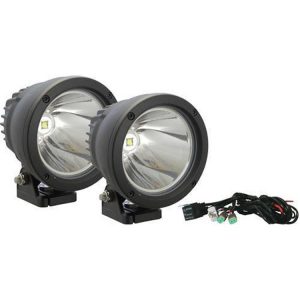
Vision X 6.7″ CG2 Single LED Light Cannon – 9907567
- Vision X 6.7 inch CG2 Single LED Light Cannon, part number 9907567
- Luminous Big Chip LED with Iris Reflector; Vision X states reach up to 3,500 feet
- Round clear lens with bracket mounting
- Universal fit; UPC 887009907567
SKU: V/X9907567 -
-
-
-
-
Offroad Racing
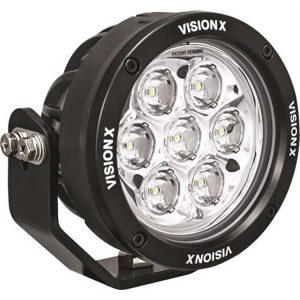
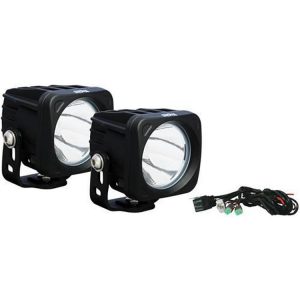
Vision X 4.7″ CG2 Multi-LED Light Cannon Kit – 9907437
- Vision X 4.7 inch CG2 Multi-LED Light Cannon Kit, part number 9907437
- Universal fit with bracket mounting; round housing with clear lens
- LED bulb type with a broad driving beam pattern
- Sold as a kit; UPC 887009907437
SKU: V/X9907437 -
Offroad Racing
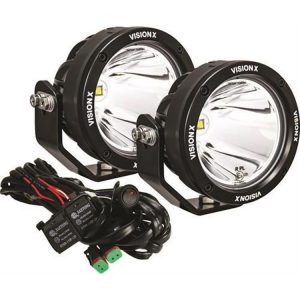
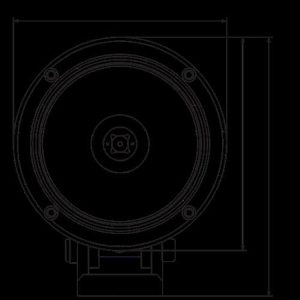
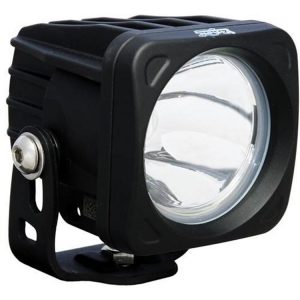
Cannon XP Light Kit
- Universal Fit, not vehicle-specific
- 4.5-inch round LED driving light kit, part number V/X9893365
- Single-source 40-watt LED with IRIS reflector technology
- Black aluminum polycarbonate hybrid housing
- Multi-volt 9-32V DC input with a single wiring harness
SKU: V/X9893365 -
Offroad Racing
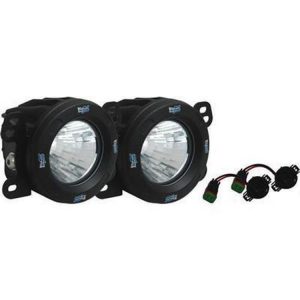
Vision X Lighting Factory Fog Light Upgrade – 9887616
- Vision X 9887616 factory fog light upgrade for 2007–2009 Jeep Wrangler JK
- Two 4 inch round LED fog lights, supplied as a pair
- 20 degree beam pattern, 9-32V DC input
- Bolts to the factory mounting location with a weatherproof Deutsch connector
SKU: V/X9887616


Fog lights versus driving lights
The two names describe different jobs. A fog light throws a wide, low, flat beam that stays under the layer of mist, rain or dust and lights the road edges close to the vehicle. A driving light throws a narrower, brighter beam well down the road to supplement high beams. Many LED pods in this category can be ordered with different optics, so read the product page to see which pattern you are getting.
Choosing a beam pattern
Product titles often state the pattern, such as spot, flood, narrow beam or a 20 degree optic. Match the pattern to how you drive.
- Spot: a tight beam for distance on open roads and desert two-tracks.
- Flood: a wide wash of light for slow trail work, camp and close-range visibility.
- Combo or driving: a blend of reach and spread that suits mixed use.
- Fog: a wide cutoff pattern, usually mounted low and sometimes in amber or yellow tint for bad weather.
Many drivers pair a spot pod with a flood pod rather than expecting one light to do everything.
Specs to compare
- Lumens and wattage: useful for comparing within one brand, but optics and reflector design change how usable the light is.
- Size and shape: 3 inch cubes, 4 inch round lights and square pods fit different bumper cutouts and brackets.
- Housing and lens: look for sealed housings and an ingress rating such as IP67 for dust and water exposure.
- Kit contents: some listings include wiring harnesses, a relay and a switch. Others are a single light only.
- Accessories: items such as covers, GPS modules and mounting brackets appear here alongside the lights themselves.
Wiring and installation
Auxiliary lights should be wired through a relay and a fuse sized for the load, with a switch inside the cabin, rather than tapped straight off a headlight circuit. Use appropriately gauged wire, protect it with loom and grommets where it passes through the firewall, and make sure the lights are aimed so they do not blind oncoming traffic. Bumper and grille mounts vary by vehicle, so check that the bracket matches your year, make and model.
Legal and practical notes
Rules for auxiliary lighting differ from state to state. Many jurisdictions limit how many lights may be on at once, require covers when driving on public roads, or restrict colors. Check your local regulations before wiring lights for street use. Always confirm fitment for your exact vehicle and review the manufacturer's specifications before you choose a product.
Maintenance and long-term care
Auxiliary lights live at the front of the vehicle, so they take the brunt of stone chips, mud and pressure washing. Inspect lenses for cracks, check that the seals remain intact, and look for moisture inside the housing, which suggests a failed gasket. Clean connectors with electrical contact cleaner and add dielectric grease to keep corrosion away. Check bracket bolts after trail runs, because vibration can loosen hardware over time.
If you carry covers, store them where they will not get crushed. Amber or clear covers also keep lenses clean between uses, and they are easy to remove when you need full output.
Popular Fog & Driving Lights brands
- Rigid Industries (217)
- KC HiLites (49)
- Hella (35)
- Rugged Ridge (26)
- Vision X Lighting (25)
- ARB 4x4 Accessories (21)
- Piaa Lighting (18)
- Pro Comp Suspension (11)
- Spyder Auto Group (11)
- JW Speaker (10)
- Westin (9)
- RT Off-Road (5)
Fog & Driving Lights FAQ
What is the difference between a fog light and a driving light?
A fog light gives a wide, low beam for the area just ahead of the vehicle in rain, mist or dust. A driving light projects a narrower, longer beam to add distance to your high beams. They solve different problems.
Do I need a relay to install auxiliary lights?
In most cases yes. A relay lets a small switch control the high current the lights draw, and an inline fuse protects the wiring. Many kits include a harness with a relay, but check the product page for contents.
Are LED fog and driving lights street legal?
It depends on your state and how the lights are used. Many places restrict auxiliary lights on public roads, require covers or limit colors. Check local regulations and the product's stated intended use before street driving with them.
Should I choose spot or flood beams?
Spot beams reach farther and suit fast open roads. Flood beams spread wide for slow trails and close work. Many off-roaders mount one of each so they can switch or combine them as conditions change.