
Roof Rack
Showing 25–36 of 122 resultsSorted by popularity
-
-
-
Roof Rack
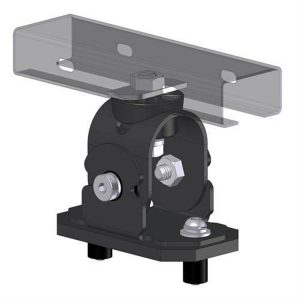
Go Rhino SRM Adjustable Multi Axis Mount Kit – 5910000T
- Go Rhino SRM Adjustable Multi Axis Mount Kit, part number 5910000T
- Optional direct roof mounting kit for the SRM Rack, no crossbars needed
- Steel; drilling required
- Universal fit; confirm mounting points for your vehicle
SKU: ORP5910000T -
Roof Rack
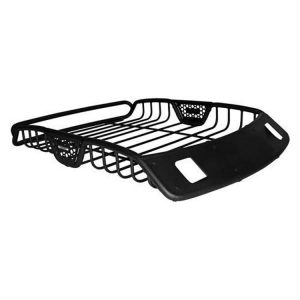
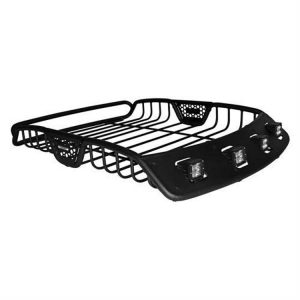
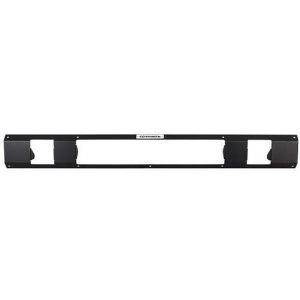
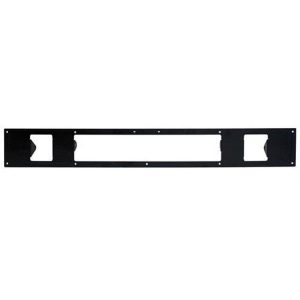
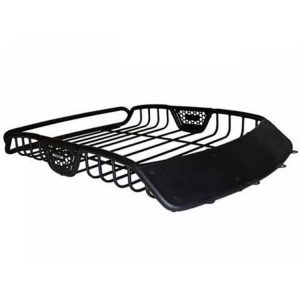
Go Rhino SR20 Series Roof Rack – 59025T
- Go Rhino SR20 Series roof rack, part number 59025T
- 48 in long, 40 in wide, 6 in high, with black fairings
- Two light ready pods, lights not included
- Installs over factory or aftermarket cross bars
- Tubular mild steel with texture finish and 5 year warranty
SKU: ORP59025T -
Roof Rack
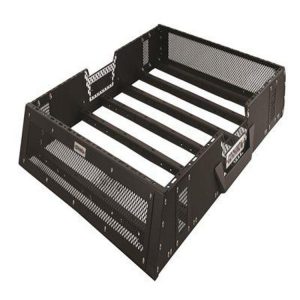
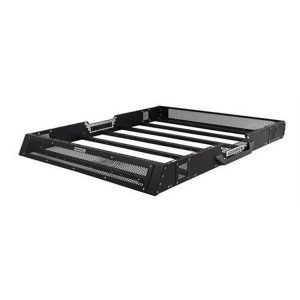
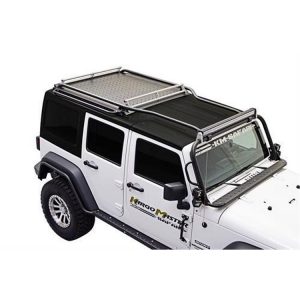
Kargo Master Aluminum Load Bar Fence Kit – 60360
- Kargo Master load bar fence kit, part number 60360
- Modular aluminum rail fence with front and rear sections
- Built for the JK LOW-PRO roof rack system, PN# 55040 or PN# 55070
- Infinite angle load bar adjustment; drilling not required
SKU: KAR60360 -
Roof Rack
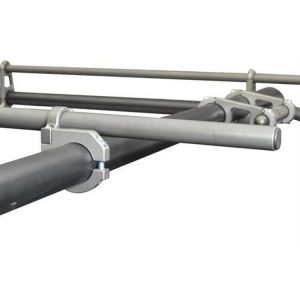
Kargo Master Aluminum Load Bar – 60335
- Kargo Master aluminum universal load bar, part number 60335
- Industry standard diameter for common recreational gear and attachment points
- Works with KMS Cross Over Clamp, Standoff Bracket and Parallel Bar Bracket
- Universal fit, so no specific vehicle applies
SKU: KAR60335 -
Roof Rack
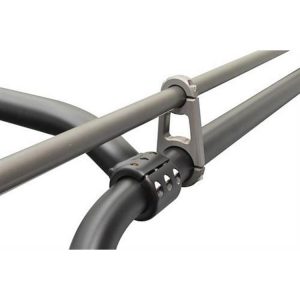
Kargo Master Stand Off Bracket – 60321
- Kargo Master stand-off bracket, part number 60321, for positioning a load bar along a 1-5/8 inch tube
- Bolts to Congo Pro and Congo Cage bars and to 1-5/8 inch diameter KMS K-Rails
- Aluminum construction; drilling is not required
- Universal fit, not tied to a specific vehicle
SKU: KAR60321


Types of roof racks
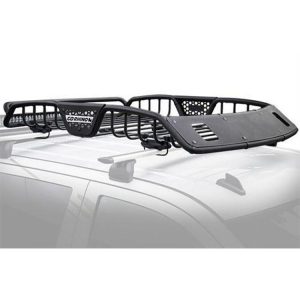
Most racks here fall into two groups. Basket racks have a floor, usually of rails or mesh, with raised sides that contain loose cargo. Crossbar or platform racks use evenly spaced bars to tie down boxes, awnings and recovery gear. Welded one-piece racks are rigid and strong, while bolt-together designs are easier to ship and store. Steel is common, with powder coat or textured black finishes to resist corrosion.
What to compare
- Dimensions: Compare length, width and side height with your roof, and leave room for antennas, hatches and sunroofs.
- Floor design: A mesh floor holds small items and sheds water, while open rails give more tie-down options.
- Load rating: Check both the rack's rated capacity and the vehicle's roof load limit in the owner's manual. The lower number controls. Dynamic load while driving is lower than static load while parked.
- Mounting method: Many racks need a vehicle-specific mounting kit sold separately, while others clamp to factory rails or drip rails.
- Material and weight: A heavy rack uses up part of your roof's capacity before you add any cargo.
Using a roof rack safely
Weight up high raises the center of gravity and increases body roll, so keep the heaviest items low and inside the vehicle where possible. Secure everything with ratchet straps or cargo nets, and recheck after the first few miles. Expect more wind noise and lower fuel economy, and mind the new overall height at garages, trees and low bridges.
Fitment and installation
Roof shapes vary widely between hardtops, soft tops and cab designs, so confirm fitment for your exact year, make and model and check the manufacturer's specifications. Universal racks often need a separate bracket kit. Install with a helper to avoid scratching paint, torque hardware to specification and apply thread locker where recommended. Check the bolts regularly, since vibration and trail use can loosen them.
Plan the load before you pack. Distribute weight evenly side to side, put the densest items at the center and closest to the roof, and keep sharp or loose items covered. A tarp or cargo net helps keep gear from flying out at highway speed, and a quick walk around before each drive catches loosened straps.
Materials, finish and maintenance
Steel racks are strong and repairable, but any chip in the coating invites rust, especially where salt is used on roads. Inspect welds and corners for hairline cracks after rough trails, and touch up exposed metal with a rust-inhibiting paint. Aluminum racks resist corrosion and weigh less, but they can fatigue if overloaded. Textured powder coat hides scratches better than gloss.
Check the fit around the roof before you commit. Measure the usable width between the roof's mounting points, check clearance for the rear hatch or tailgate swing, and confirm whether a hardtop's flip-up panels or a soft top's bows will interfere. Add up the weight of the rack, mounting kit and your usual cargo, and compare the total against your vehicle's roof capacity. Lastly, consider how the rack will pair with accessories such as a fairing, lights or an awning, which may need specific crossbar spacing.
Popular Roof Rack brands
- Smittybilt (33)
- Kargo Master (32)
- ARB 4x4 Accessories (17)
- Go Rhino (14)
- Garvin Industries (8)
- Body Armor 4x4 (7)
- Fab Fours (6)
- TeraFlex (4)
- Rugged Ridge (3)
- Off Camber Fabrications (3)
- Warrior (2)
- Thule (2)
Roof Rack FAQ
How much weight can a roof rack hold?
Every rack has its own rated capacity, and your vehicle has a separate roof load limit in the owner's manual. Stay under the lower of the two, and remember that the rack itself counts toward the limit.
Do roof racks need a mounting kit?
Many do. Some racks are universal and require vehicle-specific brackets sold separately, while others attach to factory rails. Read the product details and confirm fitment for your year, make and model.
Will a roof rack hurt fuel economy?
It usually does, because it adds weight and wind resistance. The effect grows with a larger rack and with cargo on top. Removing the rack when not needed can reduce the impact.
Mesh floor or open rail basket?
A mesh floor keeps small items from falling through and drains water. An open rail floor offers more places to hook tie-downs and may weigh less. Choose by what you plan to carry.