







Learn how a Dana 44 axle vent works, which vent locations let water into the gear oil, and how to add a top-mounted breather…
Dana 44 Differential Covers
Showing 13–24 of 31 resultsSorted by popularity
-
-
-
Dana 44 Differential Covers
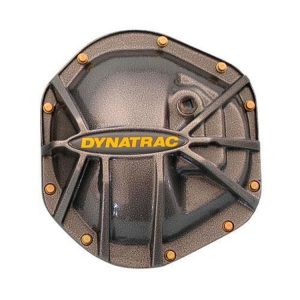
Dynatrac Dana 44 Pro Series Iron Cover – DA44-1X4033-BB
- Dynatrac Dana 44 Pro Series iron differential cover, part number DA44-1X4033-BB
- Cast from proprietary nodular iron, powder coated
- Dana 44 and Dana 44 JK axle types, front or rear
- Universal Fit label; no vehicle years stated
SKU: DPCDA44-1X4033-BB -
-
Dana 44 Differential Covers
ARB Nissan M226 Dana 44 Iron Black Cover – 0750008B
- Black iron differential cover for the Nissan M226 Dana 44 rear axle type
- High tensile nodular iron body with powder coat finish
- Magnetic drain plug and magnetic dipstick
- Cross brace design for rigidity, per ARB
- Part number 0750008B
SKU: ARB0750008B -
-
-
Dana 44 Differential Covers
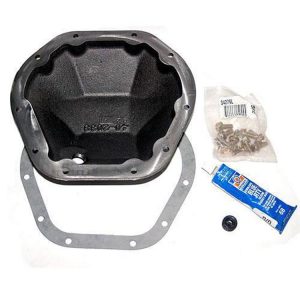
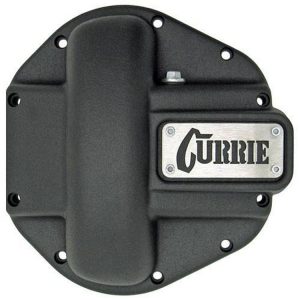
Currie Rockjock 44 Iron Diff Cover – 44-1005CTB
- Currie Rockjock 44 cast iron differential cover 44-1005CTB
- Built for Dana 44 axles at front and rear locations
- Gasketed fill plug with dipstick and socket head allen hardware
- Cover gasket included; UPC 70000694973
SKU: CUR44-1005CTB
What a Dana 44 cover does
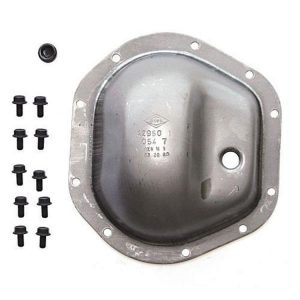
The differential cover seals the rear of the axle housing, holds the gear oil and gives access to the ring gear and carrier. The stock part is a thin stamped plate. When the axle takes hard use, a bent or cracked cover can leak and even spill oil from the housing. An aftermarket cover is thicker and often holds more fluid, and it protects the differential when you drag the axle over a rock.
Material choices
- Steel: a thick stamped or fabricated steel cover is a common upgrade and resists impact.
- Nodular or cast iron: very strong and thick, but heavy, and a hard hit can crack iron.
- Stainless steel: resists corrosion and keeps its appearance.
- Aluminum: light and often finned to shed heat, with extra capacity, though softer under impact than steel.
Front or rear
Dana 44 axles appear in front and rear positions and in various generations, including high-pinion and low-pinion front axles and Jeep and truck applications. The cover shape and bolt count are generally shared by a wide group of Dana 44 housings, but the front and rear versions can differ in fill hole position and notch for the pinion. A cover meant for one axle may not suit another, so confirm that the listing matches the axle position and model.
Features to check
- Fill and drain plugs: a magnetic plug catches metal particles, and a drain plug makes fluid changes easier.
- Extra capacity: more fluid helps keep the gears cool in towing and hard use.
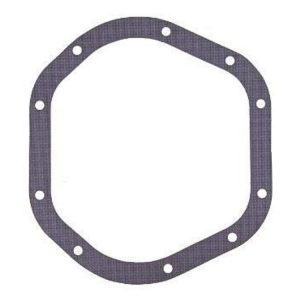
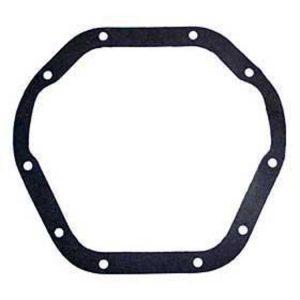
- Gasket or RTV: some covers need a gasket, and the gasket listed in this category suits stock-style covers.
- Hardware: use the correct bolts, and replace damaged ones.
Installation tips
Drain the axle, remove the old cover, clean the sealing surfaces and fit the new cover with a gasket or RTV sealant as directed. Torque the bolts in a criss-cross pattern to the manufacturer's value, refill with the gear oil the axle requires and check for leaks. Confirm fitment for your axle and vehicle before choosing.
Think about how you drive when selecting between designs. Rock crawlers and trail drivers who drag the differential over obstacles benefit from thick steel or iron covers with a smooth, rounded shape that slides over rocks instead of catching. Highway and towing drivers may prefer aluminum covers with cooling fins and extra fluid capacity, because lower operating temperatures extend gear oil life. Stainless covers suit vehicles that see road salt and need to look tidy.
Fluid care helps whichever cover you pick. Change the gear oil after the first few hundred miles on new gears or a rebuilt axle, then at regular intervals, and sooner after deep water crossings. A magnetic fill or drain plug shows what is circulating in the axle. Check for seepage around the cover bolts after a drive, and retighten them if they have loosened. If the axle has a limited-slip differential, use the friction modifier the manufacturer specifies. Keep the old cover until you confirm that the new one fits with no interference from the axle tube, lower control arm bracket or brake lines.
Related guides
- Is Your Dana 44 Vent Destroying Your Axle?
Popular Dana 44 Differential Covers brands
- G2 Axle and Gear (6)
- Dana Spicer (4)
- ARB 4x4 Accessories (3)
- Crown Automotive (2)
- Warn (2)
- Rugged Ridge (2)
- Alloy USA (2)
- Genuine Packages (1)
- Omix-Ada (1)
- Jeep (1)
- Riddler Manufacturing (1)
- Poison Spyder Customs (1)
Dana 44 Differential Covers FAQ
Is a steel or aluminum differential cover better?
It depends on use. Steel and nodular iron resist impacts best, while aluminum is lighter and helps shed heat. Rock crawlers often choose steel, and weekend towing may suit aluminum. Check the manufacturer's data.
Do I need a gasket with a new differential cover?
Many covers use a gasket, others use RTV sealant, and some supply their own. Follow the instructions for the specific cover and clean the housing surface well before sealing.
Will a Dana 44 cover fit the front and rear axle?
Not always. The bolt pattern can look similar, but fill hole position and pinion clearance can vary. Confirm the cover is listed for your axle position, model and vehicle.
How much gear oil will an aftermarket cover hold?
Many hold slightly more than stock, but the amount depends on the design. Check the stated capacity for your cover and fill to the level the axle manufacturer specifies.