
Cargo Management
Showing 61–72 of 79 resultsSorted by popularity
-
-
-
-
Cargo Net
Rightline Gear Weatherproof Cargo Net – 100T60
- Cargo net with an integrated weatherproof tarp, model 100T60
- Includes 12 relocatable hooks, a stuff sack and a set up guide
- Tarp is cut, tear and abrasion resistant, with tape sealed seams
- Sized for full size, mid size and compact truck beds
- Stretches in all directions; folds into a stuff sack
SKU: R/G100T60











Securing a load
Loose cargo shifts under braking and cornering and can become a hazard to everyone in the vehicle. Tie-downs, nets and organizers keep items in place. Pick gear by what you carry: heavy equipment needs ratcheting or cam straps, light loads fit a net, and small tools do better in a box or organizer.
Tie-downs and straps
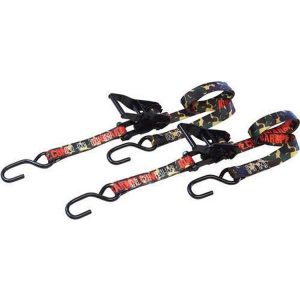
- Cambuckle straps tighten by hand and suit light to medium loads. Overtightening can crush delicate items.
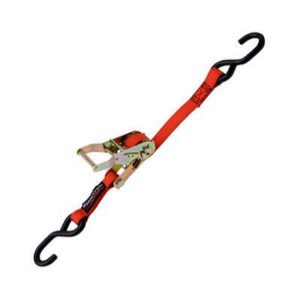
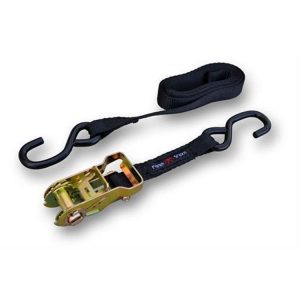
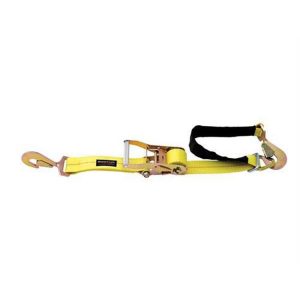
- Ratchet straps use a mechanical ratchet for heavier loads and tighter tension.
- Locking straps add a lock so cargo is harder to remove.
- Tie-down rings and anchors bolt to the bed or rail and provide anchor points.
Look for the working load limit, not just break strength, and use straps with a combined working load greater than the weight of the cargo. Inspect webbing for fraying, cuts and sun damage, and replace worn straps.
Nets, organizers and boxes
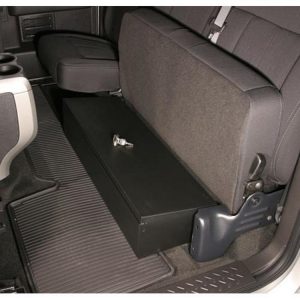
A cargo net holds irregular loads in a bed or on a rack. Bed organizers divide the space so groceries, recovery gear or jugs stay put. Cargo boxes mount on roofs or hitch carriers and add enclosed storage. Compare dimensions, weight capacity and mounting hardware, and check that the box does not block rear sensors or the tailgate.
Hitch-mounted carriers
A hitch carrier slides into a receiver and holds a basket, box or platform. Confirm the receiver size and the hitch's tongue weight rating, because the carrier and its load count toward it. Carriers reduce rear visibility and ground clearance, and they can obscure the license plate or lights, so check local rules.
Fitment and safety
- Check that anchor points, rails or racks match the hardware in your vehicle.
- Do not exceed the vehicle's payload rating or the accessory's stated capacity.
- Place heavy items low and forward, and re-check tension after the first few miles.
- Flag overhanging loads as required where you drive.
Many items are universal-fit, but confirm dimensions and mounting details on the product page.
Inspection and common mistakes
Check your gear before every trip. Straps should be free of cuts, melted spots, chemical stains and frayed stitching. Hooks should not be bent, and ratchets should move freely and lock. Store straps dry and out of sunlight, since UV and moisture weaken webbing over time.
- Do not tie knots in webbing, which reduces its strength.
- Do not hook a strap to a part of the vehicle that is not an anchor point.
- Use edge protectors where a strap crosses a sharp corner.
- Keep fuel cans, propane and sharp items in rated, secured containers away from passengers.
Think about the whole load. Heavy items should sit low and ahead of the rear axle, and loose small items belong in bins or nets. In an SUV, cargo behind the rear seat should be below the seatback or restrained by a barrier, since loose objects can move forward in a sudden stop. Roof boxes should be loaded with lighter items and weighed against the roof's rating, since a high load raises the center of gravity and can affect handling in crosswinds.
Measure the dimensions of what you carry, then compare them to the usable space inside a box or bed organizer before choosing.
Popular Cargo Management brands
- DirtyDog 4x4 (13)
- Smittybilt (10)
- Curt Manufacturing (10)
- Tuffy (9)
- Energy Suspension (8)
- Hi-Lift Jack (6)
- MasterCraft Safety (4)
- Rhino-Rack USA (4)
- Roll N Lock (4)
- Rampage (4)
- Lockstraps (2)
- Thule (2)
Shop Cargo Management by type
- Tie Down (35)
- Cargo Net (15)
- Universal Tool Storage Boxes (21)
- Cargo Box (2)
Cargo Management FAQ
What is working load limit on a strap?
It is the maximum load a strap is designed to hold in normal use, typically about a third of its break strength. Use it, not break strength, to choose straps, and make sure combined limits exceed the cargo's weight.
How many tie-downs do I need?
It depends on the cargo and local rules, but at least two straps are common for stable loads, with more for large or heavy items. Secure the load against forward, side and backward movement.
Are cargo carriers safe to use on a hitch?
Yes, within limits. Check the receiver size and the hitch's tongue weight rating, include the carrier's own weight, and keep lights and the license plate visible. Follow the carrier maker's instructions.
How do I stop cargo from sliding in a truck bed?
Use anchor points with straps, a cargo net, bed mats or dividers, and place heavy items against the cab. Tie down items so they cannot shift or leave the bed in sudden braking.