
Engine Parts
Showing 49–60 of 77 resultsSorted by popularity
-
-
-
-
-
-
-
72-86 6 Cylinder Engine Parts
Crown Automotive Crankshaft Main Bearing Cap Bolt – J4006948
- Crown Automotive crankshaft main bearing cap bolt, part number J4006948
- Thread size and length given as 1/2 inch – 13 x 3
- For 2.5L, 4.0L and 4.2L engines, four and six cylinder
- Fitment list covers Jeep models from 1983 to 1996
SKU: CROJ4006948 -
-
-
72-86 6 Cylinder Engine Parts
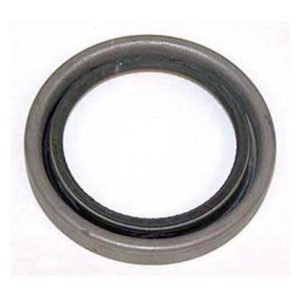
Crown Automotive Camshaft Thrust Seal – 4536492AB
- Crown Automotive camshaft thrust seal, part number CRO4536492AB
- Listed fitment: 2005–2008 Chrysler Pacifica (Base, LX, Limited, Touring)
- Listed fitment: 2009–2010 Dodge Journey (Base, Crew, R/T, SE, SXT)
- Direct fit for the vehicles above
SKU: CRO4536492AB -
-
72-86 6 Cylinder Engine Parts
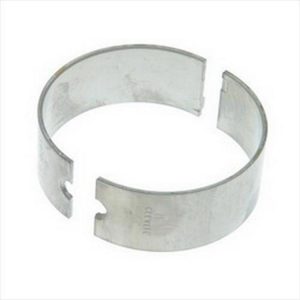
Omix-ADA Connecting Rod Bearings – 17467.24
- Omix-ADA 17467.24 standard size connecting rod bearing, direct OE replacement
- Limited five year warranty from Omix-ADA
- Fitment list covers Jeep Cherokee, CJ, Comanche, Wagoneer and Wrangler TJ and YJ models, 1971–2002
SKU: OAI17467.24





Engine parts by family
Engine parts are rarely interchangeable across families, so the first step is identifying the engine. The subcategories here separate older 6-cylinder engines from 1972 to 1986, CJ 4-cylinder engines, CJ and full-size V8 engines, and the 4.0L six-cylinder used in the TJ Wrangler. The sample products also include parts for the 2.5L four, the 3.8L V6, AMC 304 to 360 V8s and F-Head fours.
What you will find
Typical items cover most of a rebuild or a top-end refresh.
- Timing sets and kits, including sprocket width details
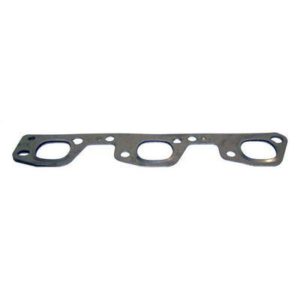
- Gaskets and seals such as valve cover, exhaust manifold and crankshaft rear seals
- Valve train parts like push rods, valves and valve seals
- Rotating assembly parts such as pistons, pins and ring sets
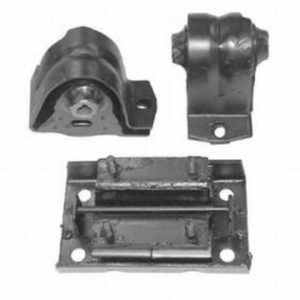
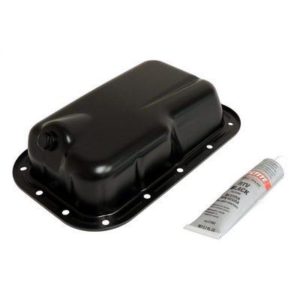
- Covers and housings, flywheels, mounts and oil filters
Matching parts to your engine
Confirm displacement and cylinder count, the model year range, and any variation such as fuel system or transmission type. Listing notes such as 5/8 inch wide sprockets, torque flite automatic or driver versus passenger side exist because small differences prevent a part from fitting.
For rebuilds, check cylinder bore size and whether oversize pistons or rings are needed after machine work. Measure your original parts or consult the engine's service manual before ordering.
Rebuild and installation guidance
Replace seals and gaskets with new ones every time, and clean mating surfaces thoroughly. Use the torque sequence and values in the factory service manual, particularly for cylinder head, intake and exhaust manifold fasteners. Timing components must be set to their marks, and an error can cause serious engine damage.
When the engine is already apart, inspect related parts such as the oil pump, water pump and mounts. Engine work benefits from careful labeling and bagging of fasteners. If you are not comfortable with internal engine work, have a machine shop or qualified mechanic handle it.
Keep a written record of part numbers and measurements as you work, and take photos before disassembly. Engines in this age range often have several running changes within one model year, so a photo of the original part is a helpful way to confirm a match when the listing is ambiguous.
Gasket sealing, torque and break-in practices
The quality of an engine repair often depends on preparation. Clean gasket surfaces with a plastic scraper or the method the manufacturer recommends, because gouges in aluminum or cast iron cause leaks that no gasket can fix. Check that bolt holes are clean and dry, since oil or coolant trapped in a blind hole can crack a casting when a bolt is tightened.
- Use the torque sequence from the service manual, normally starting at the center and moving outward in stages
- Apply sealant only where the instructions call for it, since excess can block oil passages
- Prime the oil system and lubricate the camshaft and lifters with assembly lube on a rebuild
- Replace the oil and filter soon after a major repair
- Check for leaks and watch coolant level and temperature after the first runs
After a rebuild, follow the recommended break-in for the first few hundred miles: varied engine speeds, no extended idling and no heavy towing. Keep an eye on oil pressure and listen for new noises. Older Jeep engines can be tolerant, but they depend on correct clearances and clean oil, so a patient first few tanks of fuel are worth it.
Popular Engine Parts brands
Shop Engine Parts by type
- 72-86 6 Cylinder Engine Parts (59)
- CJ 4 Cylinder Engine Parts (4)
- CJ and Full Size V8 Engine Parts (1)
- TJ Wrangler 4.0L 6 Cylinder Engine Parts (1)
Engine Parts FAQ
How do I identify my Jeep engine?
Check the VIN, which includes an engine code, and the emissions label under the hood. Displacement can also be cast into the block or valve cover. Use these details to match the parts.
Should I replace the timing chain and gears together?
Yes. Replacing the chain, sprockets and tensioner components as a set avoids uneven wear, since a new chain on worn sprockets stretches quickly. Always follow the factory service manual limits for your engine.
Are gasket sets and individual gaskets the same?
A set bundles many gaskets for a job, while individual gaskets cover a single location. Check what the set includes against the work you are doing and note whether items are sold each.
Do I need to resurface the head when replacing a gasket?
It is wise to check head and block flatness with a straightedge. Warped surfaces cause leaks even with a new gasket, so machine work may be needed according to service manual limits. Machine shops can measure this precisely, so ask for a flatness check on any engine you are rebuilding or resealing.