
Replacement Fuel Tanks
Showing 13–24 of 30 resultsSorted by popularity
-
Replacement Fuel Tanks
Titan Tanks 57 Gallon Extra Capacity Fuel Tank – 7010211
- 57 gallon extra capacity midship replacement fuel tank, part number 7010211
- Military grade cross-linked polyethylene with a low fuel trap design
- Fits 2011 General Motors pickups with Crew Cabs and 6.5 ft beds
- Hangs about 1.5 inches below the bottom of the original tank shield
SKU: TTN7010211 -
Replacement Fuel Tanks
Titan Tanks 52 Gallon Extra Capacity Fuel Tank – 7010201
- 52 gallon extra capacity replacement fuel tank, part number 7010201
- Extra heavy duty cross-linked polyethylene with a low fuel trap
- Fits 2001–2010 Chevrolet and GMC Silverado and Sierra 2500 HD and 3500 pickups in the years noted under fitment
- Includes bracket, steel strap set, rubber bushings, vent hoses and rollover safety vent valves
SKU: TTN7010201 -
Replacement Fuel Tanks
Titan Tanks 50 Gallon extra heavy duty
- 50 gallon extra heavy duty fuel tank, part number 5410050, for diesel fuel only
- Baffled to reduce sloshing, with an electronic controller that transfers fuel
- Fitment list covers many Chevrolet, GMC, Dodge, Ford and other pickups from 1982 to 2019
- Lifetime warranty and meets DOT FMCSA Title 49 requirements
SKU: TTN5410050 -
Replacement Fuel Tanks
Titan Tanks In-Bed 15 Gal. Compact xfr tnk – 5040015
- Titan Tanks 15 gallon (56.78 L) compact liquid transfer tank, part number 5040015
- Approved for gasoline use
- Fits full-sized, mid-sized and some compact pickup trucks
- No model years listed, so confirm your truck before ordering
SKU: TTN5040015 -
Replacement Fuel Tanks
Titan Tanks Trail Trekker 2 – 4040287
- Off-road fuel tank for JK, TJ and YJ Wranglers, part number 4040287
- Mounts on stock Wrangler and most popular aftermarket spare tire carriers
- Fits 5, 6 and 8 bolt stud patterns
- Fully grounded and vented, with rollover protection
SKU: TTN4040287 -
Replacement Fuel Tanks
Spare Tire Auxiliary Fuel System
- Spare tire auxiliary fuel system, part number 4020208
- Military grade cross-linked polymer that does not rust or corrode
- Fits 2008–2016 Ford F-250 and F-350 Super Duty models
- Carries a 5 year limited warranty and is made in the U.S.A.
SKU: TTN4020208 -
-
-
Replacement Fuel Tanks
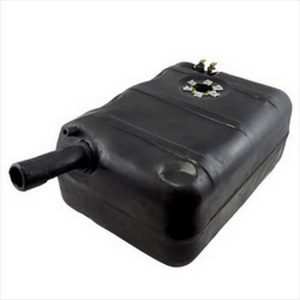
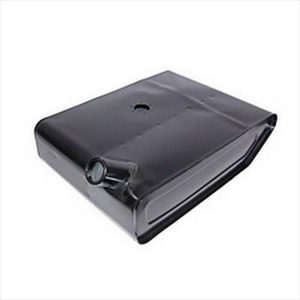
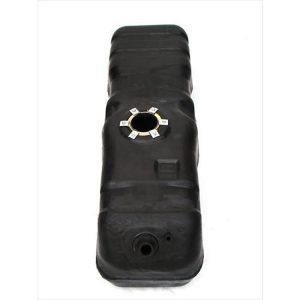
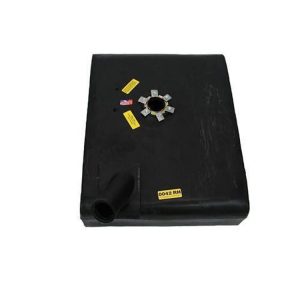
MTS Company High Density Polyethylene Fuel Tank – 0042-RH
- Replacement fuel tank for 1965–1972 Jeep CJ5 (Base) and CJ6 (Base), plus 1966–1968 CJ5A (Base) and CJ6A (Base), per listed fitment
- High density polyethylene body with no welds or seams
- Walls nearly a quarter inch thick, under-seat mounting
- Part number 0042-RH, UPC 70000640503
SKU: MTS0042-RH




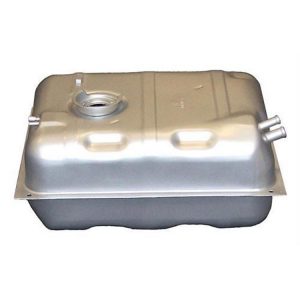
Why replace a fuel tank
Steel tanks rust from the inside when moisture collects, and from the outside after years of road salt and mud. Leaks, a failing seam, a damaged fill neck, or fuel contamination are common reasons to replace a tank. Extra-capacity tanks serve a different purpose: they carry more fuel for remote trips, towing, or heavy use.
Items in this category range from simple factory replacement tanks to mid-ship and after-axle designs.
Types of tanks
- OE-style replacements: Match the original shape and capacity.
- Extra-capacity polyethylene tanks: Rotationally molded cross-link plastic resists corrosion and dents and is often shaped to use more of the available space.
- Mid-ship and after-axle tanks: Mounted in a different location for added capacity or weight distribution.
- Skid plates and shields: Some kits add protection against rocks.
What to check
Confirm the engine type, cab and bed configuration, wheelbase, and model year, since tank shape and the location of fill necks and sending units differ. Compare capacity, whether the kit includes straps, bushings, vent hoses, and rollover valves, and whether the fuel pump and sending unit are reused or included.
Diesel and gasoline systems may use different parts, and emissions equipment such as vapor lines must remain connected, so read the product notes carefully.
Installation and safety
Fuel work carries a fire risk. Work outdoors or in a well-ventilated area, disconnect the battery, relieve fuel system pressure, and drain the old tank into approved containers. Support the tank with a jack while removing straps. Replace aging hoses, clamps, and seals during the job, and leak-check before driving. Professional installation is a sensible choice. Confirm fitment for your exact year, make, and model, and check the manufacturer's specifications.
Choosing and maintaining
Decide whether you want a straight factory replacement or more range. Think about ground clearance, since a larger tank sits lower or fills more of the space under the vehicle, and consider a skid plate if you drive rocky trails.
While the tank is out, replace the fuel filter, inspect the fuel lines and filler hose, and clean the area to keep rust and dirt away from new fittings. Fill the new tank with fresh fuel and watch for leaks and smells during the first few drives.
Fuel tank capacity numbers deserve careful reading. A listed capacity is the nominal volume, and the usable amount may be lower because of filler neck design and vapor space. Compare the new capacity with the stock tank so you can predict range, then check that the fuel gauge works properly with the new sending unit.
Skid plates, shields, and straps are important on trail vehicles. Straps should be tight, with rubber isolators between them and the tank to avoid wear. Check clearances to the exhaust and driveshaft, and verify the vent and rollover valves are routed correctly so fuel cannot escape in a roll.
If the old tank leaked, find out why. Rust perforation, a cracked seam, or an impact can all be causes, and the surrounding lines may be in the same condition. Replace worn rubber hoses as part of the job.
Popular Replacement Fuel Tanks brands
Replacement Fuel Tanks FAQ
Why choose a polyethylene fuel tank?
Cross-link polyethylene resists rust and corrosion and can take small impacts without denting. It is also molded in shapes that use available space. Check mounting and vent details for your vehicle.
Will an extra-capacity tank fit my truck?
Only if it is made for your model, cab, bed, and wheelbase. Tanks are vehicle specific. Confirm the listed application and compare it with your exact year, make, and model.
Can I reuse my old fuel pump?
Sometimes. Many tanks accept the original pump and sending unit, but some need new parts or adapters. Read the listing details and, if the old pump is worn, replace it while the tank is out.
Is it safe to install a fuel tank myself?
It can be done with care, but fuel vapors and heavy tanks make it risky. Work in a ventilated space, avoid sparks, and use proper containers. If you are unsure, use a professional installer.