
Fuel tank sending units measure fuel level and send it to the gauge. This category lists replacement units, kits, pickup tubes and related parts for Jeeps and other classic 4x4s, from Crown Automotive, Omix-ADA, MTS Company and Jeep.Listings note tank size, engine and what is or is not included, with part numbers, so you can confirm details, then compare the products below.
Replacement Fuel Tank Sending Unit
Showing 1–12 of 30 resultsSorted by popularity

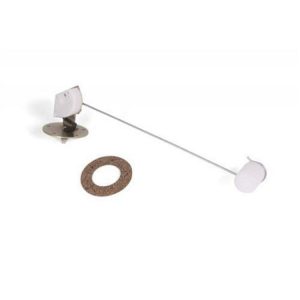
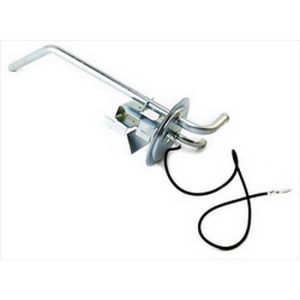
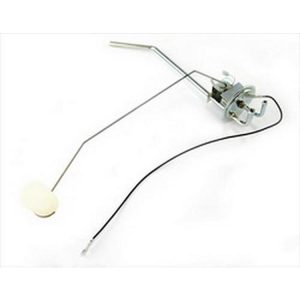
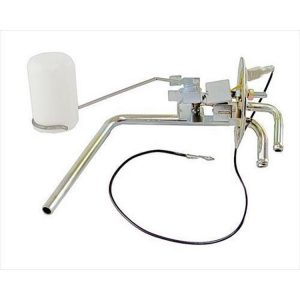
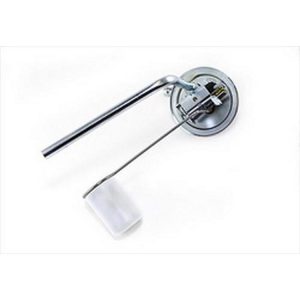
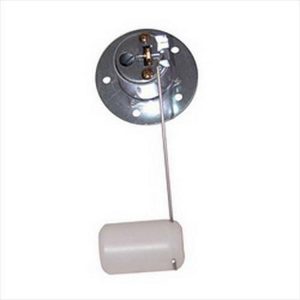
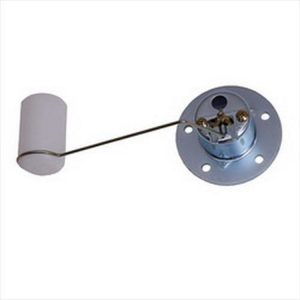

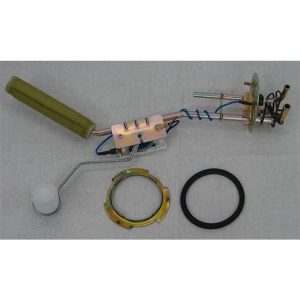
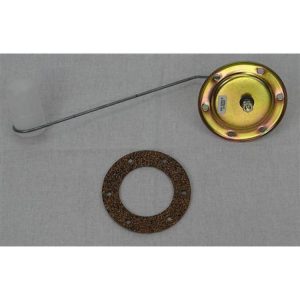
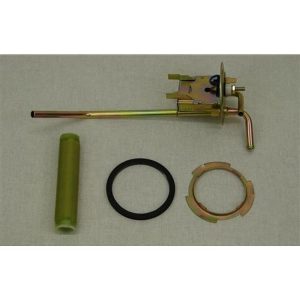
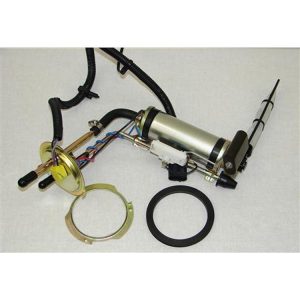
What a sending unit does
The sending unit sits inside the fuel tank. A float arm rides on the fuel surface and moves a variable resistor, which changes the signal sent to the dash gauge. Many units also include the fuel pickup tube and sock. When the unit wears or the resistor track corrodes, the gauge reads erratically, sticks, or reads empty or full.
Replacement is common on older vehicles since ethanol-blended fuel and years of use take their toll.
Signs that yours is failing
Typical symptoms include:
- A gauge that jumps or reads incorrectly.
- A gauge that reads empty when the tank is full, or vice versa.
- A gauge that works only at certain fuel levels.
- A fuel smell near the tank, which points to a seal or tank issue instead.
Before replacing the unit, check the gauge, wiring and ground, since problems elsewhere can look like a bad sender.
Choosing the right unit
Match the tank size, engine and vehicle. Listings in this category mention specifics like factory 20 gallon tanks and 4.2L six-cylinder engines. Check whether the part is a complete unit, a kit with hardware, or only a pickup tube. Some listings say the O-ring, lock ring and fuel sock are not included, so budget for those. A few applications need modifications, such as lengthening a pickup tube or shortening a breather tube, as noted by the manufacturer.
Installation and safety
Working on a fuel tank involves flammable vapors. Work outdoors or in a ventilated area, disconnect the battery, relieve fuel system pressure, and keep ignition sources away. Drain or lower the fuel level before opening the tank, and replace the gasket or O-ring with every unit. Use the correct lock ring and tighten it as specified.
Confirm fitment for your exact year, make, model, engine, tank size and gauge type, and check the manufacturer's specifications. Professional installation is a good idea if you are not experienced with fuel systems.
Gauge calibration differs by vehicle, so a replacement that physically fits may still read slightly off if its resistance range does not match. Use the unit listed for your application, and fill the tank after installation to check that the gauge reaches full.
Testing and mistakes to avoid
Before replacing the unit, test it. With the sender removed, a multimeter on the resistance setting should change smoothly as the float arm moves from empty to full. Compare the readings to the range in the service information for your vehicle, since factory units differ. A reading that jumps or drops out points to a worn resistor track.
- Check the ground connection at the tank and the frame, since a poor ground can make a good sender read wrong.
- Inspect the tank for rust or debris while it is open, and clean it out if needed, since debris can clog the new pickup sock.
- Do not bend the float arm to change the reading unless the manufacturer says so.
- Use fuel-rated sealant only where the instructions allow it.
Popular Replacement Fuel Tank Sending Unit brands
Replacement Fuel Tank Sending Unit FAQ
Why does my fuel gauge read wrong?
A worn sending unit is the usual cause, but a bad gauge, voltage regulator, wiring or ground can do the same. Test those before replacing the sender.
Do I need to drop the tank to replace the sending unit?
On many vehicles, yes, or at least lower it or reach through an access panel. It depends on the model, so check the service information for your vehicle.
Should I replace the gasket and O-ring?
Yes. Reusing an old seal risks a fuel leak and vapors. Check whether your kit includes the seal and lock ring, since some listings state they are not included.
Is a fuel pickup tube the same as a sending unit?
No. The pickup tube draws fuel out of the tank, while the sending unit reports level. Some assemblies combine both, so read the listing carefully.