
Performance Ignition Systems
Showing 25–36 of 40 resultsSorted by popularity
-
-
-
-
Spark Plug Wire Sets

ACCEL Performance Custom Fit Super Stock Spiral Spark Plug Wire Set for Jeep – 5129R
 Spark Plug Wire Sets
ACCEL Performance Custom Fit Super Stock Spiral Spark Plug Wire Set for Jeep – 5129R
- ACCEL Super Stock spiral spark plug wire set, part number ACL5129R
- 8.00 mm diameter wires with RFI suppression included
- Fitment attribute reads Universal Fit; no vehicle years given
- Jeep applications; check engine and plug layout
SKU: ACL5129R -
Spark Plug Wire Sets
ACCEL Performance Custom Fit Super Stock Spiral Spark Plug Wire Set for Jeep – 5099R
 Spark Plug Wire Sets
ACCEL Performance Custom Fit Super Stock Spiral Spark Plug Wire Set for Jeep – 5099R
- ACCEL Super Stock spiral spark plug wire set, part number ACL5099R
- 8.00 mm wire diameter with RFI suppression included
- Fitment attribute reads Universal Fit; no model years listed
- Jeep applications. Confirm your year, model and engine before ordering.
SKU: ACL5099R -
-
Spark Plug Wire Sets
Performance Distributors LiveWires-Performance Sparkplug Wires – C9077
- Universal fit is the only fitment label
- HEI LiveWires spark plug wires with 8.00 mm diameter
- Space age heat resistant sleeving and spiral wound core
- Numbered ends and swivel boots
- Part number C9077
SKU: P/DC9077 -
Spark Plug Wire Sets
Performance Distributors LiveWires Performance Sparkplug Wires – C9076
- Universal fit is the only fitment label
- HEI LiveWires spark plug wires with 8.00 mm diameter
- Space age heat resistant sleeving and durable silicone jacket
- Numbered ends for correct cylinder placement
- Part number C9076
SKU: P/DC9076 -
-
-





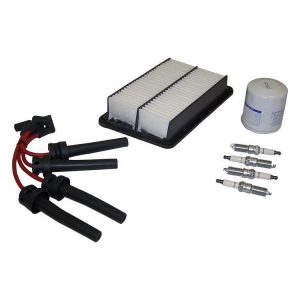
What this category covers
An ignition system turns battery voltage into a high-voltage spark at the right instant. Performance parts aim to deliver a stronger or more consistent spark, or to give the engine better control. The items here include coils, ignition control boxes, billet distributors, wire sets, tune-up kits and a few performance modules for specific Jeep and Dodge applications.
Main component types
- Ignition coils: produce the high voltage. Coils differ in primary connection, whether they are designed for an electronic distributorless system (EDIS), and output.
- Ignition controls: multiple-spark and capacitive discharge boxes, such as MSD's 6-series, that can improve starting and high-rpm performance on suitable engines.
- Distributors and caps: mechanical or magneto-type distributors, caps, rotors and drive gears for classic engines.
- Spark plug wires: spiral-core or suppression wire sets with boots and a stated conductor diameter, often 8 mm.
- Tune-up kits: bundles of plugs, caps and rotors, sometimes with filters, for routine service.
- Rev limiters and modules: electronic units that cap engine speed or adjust signals.
Choosing parts
- Engine and year: ignition parts are very application-specific. Engine size, such as 2.5 L or 4.0 L, and the ignition type determine what fits.
- Stock or modified: a stock engine may gain little from high-output parts, while modified engines with a high-compression ratio or forced induction may benefit more.
- Wire quality: look for radio frequency interference suppression, which protects radios and engine electronics.
- Compatibility: a coil or box may need a specific wiring harness, and some require a particular distributor.
Installation and tuning notes
Disconnect the battery before any ignition work. Route plug wires away from exhaust manifolds and from each other where possible to avoid heat damage and crossfire, and press boots on firmly until they seat. Gap spark plugs to the engine maker's specification, and check timing after any distributor or module change. Ignition components can interact with engine computers, so follow the instructions closely. If you are unsure, a qualified mechanic can install and tune.
Emissions rules apply to modified engines in some states, so check local regulations and the manufacturer's notes about legal use. Confirm fitment for your exact year, make, model and engine, and compare the products below.
Maintenance intervals and troubleshooting
Spark plugs, wires, caps and rotors are wear items. Many service schedules call for plug replacement at set mileages, and the interval depends on the engine and plug type. Symptoms of ignition trouble include hard starts, rough idle, hesitation under load, misfires and poor fuel economy. Before replacing expensive parts, check the basics: battery voltage, ground connections and the condition of the plugs.
Use a scan tool to read stored codes if your engine has a computer. Dielectric grease on boots helps keep moisture out and makes them easier to remove later.
Fuel and engine condition play a part as well. A stronger spark cannot fix a clogged injector, a vacuum leak or a worn engine, so confirm the engine is otherwise healthy before spending on ignition upgrades. Keep a spare set of plugs and a cap and rotor in the vehicle for remote trips, since ignition parts are among the most common causes of a no-start situation.
Popular Performance Ignition Systems brands
- MSD (15)
- Crown Automotive (8)
- ACCEL (7)
- Performance Distributors (4)
- Omix-Ada (3)
- Jet Performance Products (3)
- Bd Diesel (2)
Shop Performance Ignition Systems by type
- Spark Plug Wire Sets (13)
- Ignition Performance Module (6)
- Tune-Up Kit (3)
- Engine RPM Limiter (2)
- Ignition Coil Lead Wire (1)
Performance Ignition Systems FAQ
Will a performance coil add horsepower?
On a healthy stock engine the gain may be small. Better ignition mainly improves spark consistency, starting and stability, which helps most on modified engines. Results depend on the engine, so follow manufacturer information.
What does a capacitive discharge ignition box do?
It stores energy in a capacitor and releases it in a fast, strong spark, and some units fire multiple sparks at low rpm. It can help starting and high-rpm operation, but it must match your engine and wiring.
How often should I change spark plug wires?
Replace them when you see cracked insulation, burn marks, misfires or after high mileage, following your vehicle's service schedule. Wires wear out gradually, and a tune-up is a good moment to inspect them.
Are rev limiters necessary?
They are optional. A rev limiter protects an engine by cutting spark above a set rpm, which suits modified or high-revving engines. Many street vehicles rely on the factory engine control for this.