
Third Brake Lights
Showing 25–34 of 34 resultsSorted by popularity
-
Third Brake Lights
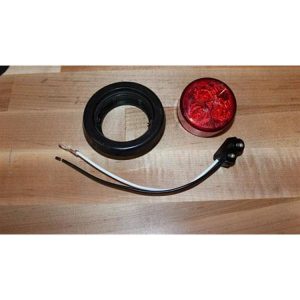
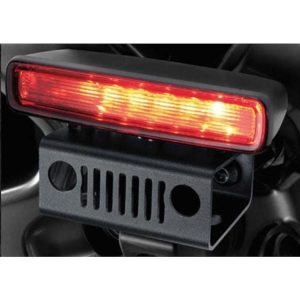
JcrOffroad Flush Mount 2 Inch LED Brake Light – BRKLED
- JcrOffroad BRKLED 2-inch flush mount LED third brake light
- Mounts into JCR Tire Carrier mounting plates
- Part number BRKLED, UPC 780456968801
- Center caps must be removed before installing
- No vehicle fitment is listed
SKU: JCRBRKLED -
-
-
Third Brake Lights
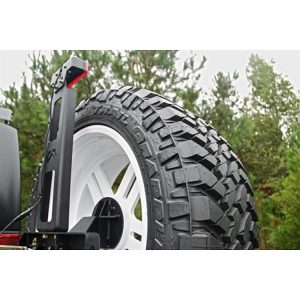
Jeep High Mount Stop Light – 82215349
- Jeep relocation kit for the 18-Current Wrangler JL, two and four door models
- Moves the high mount brake light to the center of the spare tire
- Raises the brake light to clear a spare tire up to 37-inch
- Works alone or with P/N 82215355 or P/N 82215356AB
- Part number 82215349, UPC 700008496801
SKU: JEP82215349 -








What the third brake light is for
A center high-mount stop lamp is a federally required fixture on modern passenger vehicles in the United States. Mounted at about eye level for drivers behind you, it catches attention that low taillights can miss, particularly when a tall truck or Jeep sits in front. Items in this category replace a cracked or faded unit, upgrade to LED, or add cargo lighting on some truck models.
Types of units
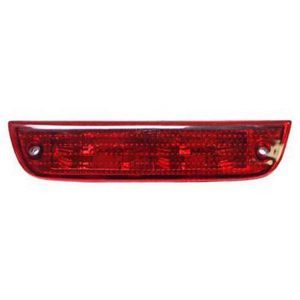
- Stock-style replacement lamps: red lens housings that use a bulb and match factory fit.
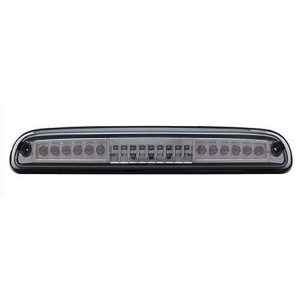
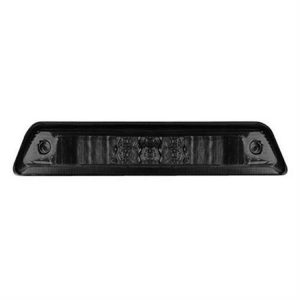
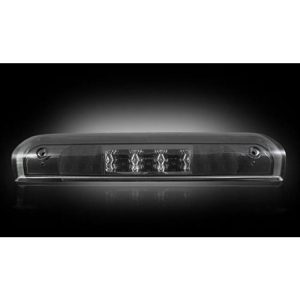
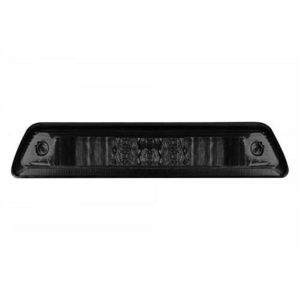
- LED third brake lights: use LED arrays that light quickly and last long, with lens colors such as smoke, clear or red.
- LED with cargo lights: some truck units add white LEDs to illuminate the bed.
- Mounts and extras: spacers, grommets and light rings for tailgate-mounted or spare-tire installations.
What to compare
- Fitment: shape and mounting differ by vehicle, so look for your year and model, such as a specific Wrangler generation or Ford truck range.
- Lens color: smoked lenses look darker but should still show a bright red light when lit.
- Brightness and output: look at the number and type of LEDs, and rely on the maker's stated specifications.
- Weather sealing: waterproof housings and connectors suit off-road use.
- Wiring: plug-and-play versus splice-in installation.
Installation and legal notes
Disconnect the battery if you will work on wiring, confirm the new unit lights with the brake pedal pressed, and check the seal so water cannot enter the cargo area. Replacement should keep the lamp red and visible as required for a brake light. Equipment rules for lens color and brightness vary by state, so check local regulations. On vehicles with a spare tire, tailgate carrier or rack, make sure the mount does not block the light.
Install details can make a difference. On vehicles such as the Wrangler, the lamp may be mounted on the tailgate, spare tire carrier or a rear roll bar, and wiring passes through the hinge or a flexible loom, so inspect that wiring for breaks if a lamp fails intermittently. Grommets and spacers keep the unit aligned with the mounting surface and protect wiring from chafing, and a ring or spacer can restore the correct fit when a spare tire or carrier is changed.
When upgrading to LED, consider how the vehicle's electrical system responds. Some vehicles have bulb-out monitoring that interprets the low current of an LED as a failed bulb, which may require a load resistor or a model made to be compatible. Choose a unit with a sealed housing and gasket, since moisture in a lamp shortens its life. Check the brake light works every time you load a rack or carrier that could block the view, and keep the lens clean, because dirt cuts visibility. A quick check with a helper pressing the brake pedal confirms operation.
Compatibility
Confirm fitment for your exact year, make and model, including bed or tailgate type, and check the manufacturer's specifications before choosing a product below.
Popular Third Brake Lights brands
- Recon (11)
- Anzo (4)
- Spyder Auto Group (4)
- Putco (3)
- Rugged Ridge (3)
- Rancho (1)
- Fab Fours (1)
- Rock Slide Engineering (1)
- JcrOffroad (1)
- Omix-Ada (1)
- Jeep (1)
- Crown Automotive (1)
Third Brake Lights FAQ
Are third brake lights required?
Passenger vehicles sold in the United States from the late 1980s generally have a center high-mount stop lamp as standard equipment. Equipment and inspection rules vary by state, so check local requirements before changing the unit.
Can I replace a third brake light with an LED version?
Often yes, if the LED unit is made for your vehicle. Choose a fit-specific model and confirm wiring compatibility. Plug-and-play versions simplify installation, and the light should still show a clearly visible red when braking.
Why is my third brake light not working?
Common causes include a burned-out bulb or failed LED, a bad connector, damaged wiring where it passes through the tailgate or hatch, or a blown fuse. A mechanic can trace the circuit with a test light or multimeter.
Do smoked third brake lights meet the rules?
Smoked lenses are common, but the lamp must still produce a bright, clearly red light when lit. Rules vary by state, so check local regulations and the manufacturer's information about compliance.