
Side Window Vent Visors
Showing 49–60 of 74 resultsSorted by popularity
-
Side Window Vent Visors
Auto Ventshade Ventvisor In-Channel Deflector 4 pc. (Smoke) – 194536
- Fits 2014–2018 Chevrolet Silverado 1500 and 2015–2018 Silverado 2500 HD and 3500 HD
- Also fits 2014–2018 GMC Sierra 1500 and 2015–2018 Sierra 2500 HD and 3500 HD
- Auto Ventshade In-Channel Ventvisor, part 194536, smoke finish, 4 pc. set
- No drilling; mounts with pre-applied 3M automotive tape
SKU: AVS194536 -
-
Side Window Vent Visors
Auto Ventshade Ventvisor In-Channel Deflector 4 pc. (Smoke) – 194528
- Fits 2014–2018 Chevrolet Silverado and GMC Sierra 1500, plus 2015–2018 Silverado and Sierra 2500 HD and 3500 HD in covered trims
- Smoke In-Channel Deflector, 4 pc. set
- Pre-applied 3M automotive tape, no drilling
- Part number 194528, UPC 725478136555
SKU: AVS194528 -
-
Side Window Vent Visors
Auto Ventshade In-Channel Ventvisor (Smoke) – 194344
- Fits 2004–2009 Dodge Durango and 2007–2009 Chrysler Aspen in the covered trims
- Smoke in-channel ventvisor, 4 pc. set
- Direct fit with no-drill mounting
- Part number 194344, UPC 725478072945
- Limited Lifetime Warranty
SKU: AVS194344 -
Side Window Vent Visors
Auto Ventshade In-Channel Ventvisor (Smoke) – 194309
- Fits 2007–2018 Toyota Tundra pickups, including Base, Limited, Platinum, SR5 and TRD Pro trims
- Smoke in-channel ventvisor, 4 pc. set
- No-drill, snug fit with automotive grade tape
- Part number 194309, UPC 725478087710
- Limited lifetime warranty
SKU: AVS194309 -
Side Window Vent Visors
Auto Ventshade Ventvisor In-Channel Deflector 4 pc. (Smoke) – 194293
- Auto Ventshade 194293 smoke In-Channel Ventvisor deflector, 4 pc.
- No drilling or special hardware needed
- Patented design secures into the window channel or rubber seal
- Pre-applied 3M automotive tape
SKU: AVS194293 -
-
Side Window Vent Visors
Auto Ventshade Ventvisor In-Channel Deflector (Smoke) – 194155
- Fits 2009–2014 Ford F-150 pickups, including XL, XLT, STX, Lariat and Platinum trims
- Smoke in-channel deflector, 4 pc. set
- Pre-applied 3M automotive tape, no drilling
- Part number 194155, UPC 725478104721
SKU: AVS194155 -
Side Window Vent Visors
Auto Ventshade Ventvisor In-Channel Deflector (Smoke) – 194109
- Fits 2009–2019 Dodge and Ram 1500, 2500 and 3500 pickups in the covered years and trims
- Smoke in-channel deflector, 4 pc. set
- Pre-applied 3M automotive tape, no drilling
- Part number 194109, UPC 725478104196
SKU: AVS194109 -
Side Window Vent Visors
Auto Ventshade Ventvisor In-Channel Deflector (Smoke) – 194101
- Fits 2009–2010 Dodge Ram 1500, 2011–2018 Ram 1500 and 2019 Ram 1500 Classic pickups
- Smoke in-channel deflector, 4 pc. set
- Pre-applied 3M automotive tape, no drilling
- Part number 194101, UPC 725478104202
SKU: AVS194101 -
Side Window Vent Visors
Auto Ventshade In-Channel Ventvisor (Smoke) – 194056
- Fits 2005–2015 Toyota Tacoma in Base, Pre Runner and TRD Pro trims
- Smoke in-channel ventvisor, 4 pc. set
- Direct fit with no-drill mounting using automotive grade tape
- Part number 194056, UPC 725478073553
- Limited Lifetime Warranty
SKU: AVS194056





What vent visors do
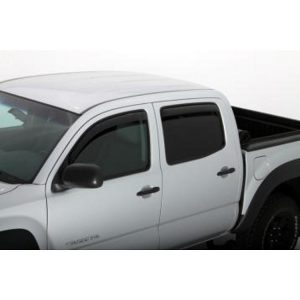
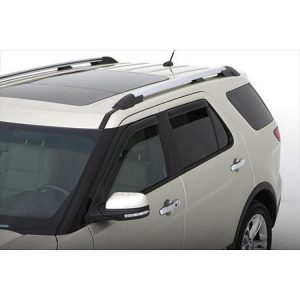
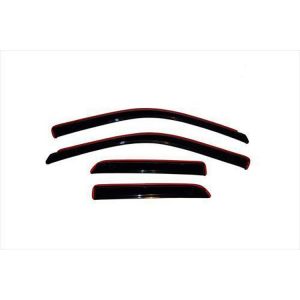
A vent visor is a narrow acrylic or similar shield that fits above a side window. It lets fresh air in during rain or snow, reduces wind noise and buffeting with the window partly open, and cuts some glare and sun on the glass. Most sets cover the front and rear doors, and the listings here are mostly four-piece sets, with a few front-only and Jeep-specific kits.
In-channel versus tape-on
- In-channel: the visor slides into the window channel and is held by tension. It has a clean, integrated look and no adhesive on the paint, but it can interfere with window travel or seals on some vehicles, and may rattle if poorly seated.
- Tape-on or exterior mount: the visor attaches with automotive-grade adhesive tape to the door frame. It is simple to install, but proper surface prep is important.
Low-profile versions have a slimmer look that sits closer to the door, while standard designs extend farther and give more rain coverage.
Choosing a finish and set
Smoke is the most common finish, with some black, textured black, carbon-fiber look and chrome options. Match the finish to your trim and window tint. Check the piece count: four-piece sets cover all doors on a four-door model, whereas two-door vehicles need fewer pieces. Some Wrangler sets are designed for the factory doors specifically, so confirm that detail.
Installation tips
Install in mild temperature, 60 degrees Fahrenheit or warmer, so the adhesive bonds correctly. Clean the mounting area with the supplied wipes or isopropyl alcohol, test-fit before peeling the tape, and press firmly along the full length. Avoid washing the vehicle or rolling windows for the period the instructions state, usually 24 hours. For in-channel types, follow the manufacturer's sequence for flexing and seating the visor, and do not force it.
Some drivers wonder how visors affect visibility and everyday use. Smoke finishes tint the area above the glass slightly, which most people find comfortable, and the narrow profile should not block your view of side mirrors or traffic lights. Low-profile styles hug the door and minimize wind noise at highway speed, while wider shields give more rain coverage when parked. If you use a roof rack, awning or door-mounted accessory, check that nothing contacts the visor.
Care is simple. Wash visors with the vehicle using mild soap and a soft cloth, and avoid abrasive brushes or harsh solvents that can haze acrylic. Automatic car washes with strong brushes can catch the edges of tape-on visors, so check for lifting after a wash. If an adhesive visor does lift, remove it, clean off old adhesive residue with a product made for automotive finishes and refit with fresh tape from the manufacturer. In-channel units that become loose over time can often be reseated, and a gentle wipe of the channel helps remove grit that causes rattles.
Fitment
Visors are made for specific year, make, model and cab or door configurations. Confirm your exact application and review the manufacturer's specifications before choosing a product below.
Popular Side Window Vent Visors brands
Side Window Vent Visors FAQ
What is the difference between in-channel and tape-on vent visors?
In-channel visors slide into the window channel and hold by tension, so there is no adhesive on the door frame. Tape-on visors stick to the exterior frame with automotive tape. In-channel looks cleaner, while tape-on is often easier to fit.
Do window vent visors cause wind noise?
They usually reduce wind noise and buffeting when a window is cracked open, though results vary by vehicle and speed. A poorly seated in-channel visor can rattle or whistle, so make sure it is fully seated and the window closes normally.
Can I wash my vehicle after installing vent visors?
Wait until the adhesive has cured, typically around 24 hours, though the exact time is in the manufacturer's instructions. In-channel visors do not rely on adhesive, but you should still follow the maker's guidance after fitting.
Will vent visors fit my Jeep or truck?
Visors are made for specific vehicles and door styles, so check the year, make, model and number of doors against the product listing. Confirm details such as factory versus aftermarket doors in the manufacturer's specifications.