
Rock Sliders and Guards
Showing 121–132 of 175 resultsSorted by popularity
-
-
Rock Sliders and Guards
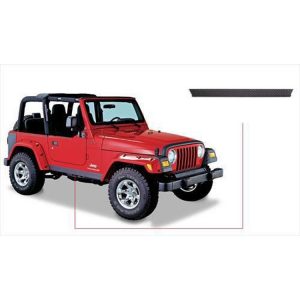
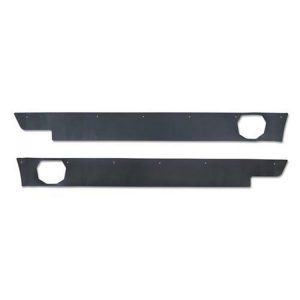
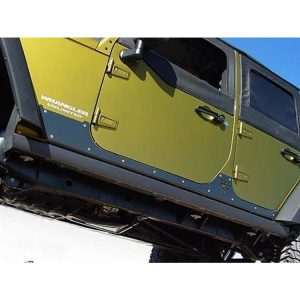
Bushwacker Trail Armor Rocker Side Panels (Black Plastic) – 14002
- Bushwacker Trail Armor rocker side panels, part number 14002
- Black Dura-Flex plastic with a diamond textured surface
- 100% UV protection for the rocker area
- Direct fit with no cutting or drilling required
- Confirm fit for your vehicle’s year, model and trim before ordering
SKU: B/W14002 -
Rock Sliders and Guards
Smittybilt XRC Rock Sliders without Tube Step (Black) – 76870
- Smittybilt XRC rock sliders without tube step, part number 76870, in matte black
- Formed from 3/16-inch solid plate with a 1.75-inch over-rider tube
- Bolts up to factory holes; no cutting or drilling required
- Two-stage matte black powder coat
- Five-year limited warranty
SKU: S/B76870 -
Rock Sliders and Guards
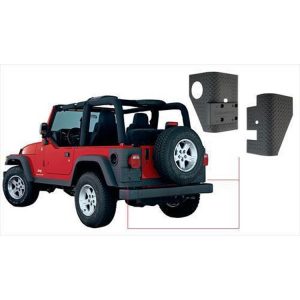
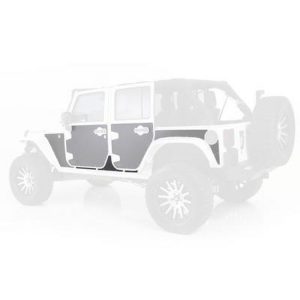
Bushwacker Trail Armor Rear Corners (Black Plastic) – 14004
- Bushwacker Trail Armor rear corner guard, part number 14004
- Black Dura-Flex 2000 TPO plastic with a diamond textured surface
- 100% UV resistant and does not rust like steel
- Mounts with automotive-grade 3M adhesive, no drilling needed
- Confirm year and model fit before ordering
SKU: B/W14004 -
Rock Sliders and Guards
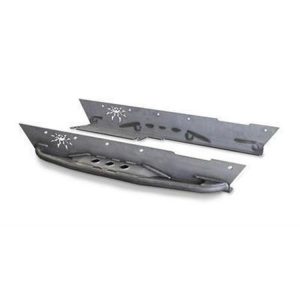
Poison Spyder Ricochet Rockers (Bare Steel) – 13-50-050
- Bare steel Poison Spyder Ricochet Rockers, part number 13-50-050
- Written for TJ fender flares
- 5 inch dimpled step and 1.5 inch DOM slider
- Countersunk 3/8 inch stainless hardware
- Welded, ready to paint and bolt on
SKU: PSC13-50-050 -
-
-
Rock Sliders and Guards
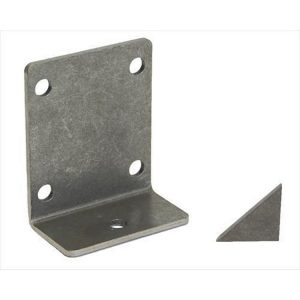
Trail Gear Rock Slider Mount Kit (Bare Steel) – 120007-1-KIT
- Six-leg rock slider mount kit with 3/16 in plate steel
- Plates weld to the frame; the rock slider welds to the plate
- Bare steel finish, welding required
- Confirm fit for your vehicle before ordering
SKU: TGI120007-1-KIT -
Rock Sliders and Guards
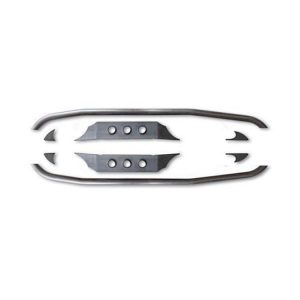
Poison Spyder DIY Short Ricochet Rockers (Bare Steel) – DIY-50-040
- Bare steel Poison Spyder DIY Short Ricochet Rockers kit, part number DIY-50-040
- Requires welding, main tubes 54.5 inches long
- Includes DOM tube rub rails, Rico Steps and end gussets
- Pre-notched and CNC bent, reverse-dimpled steps
- Written for the JK 2-door, LJ and CJ-8
SKU: PSCDIY-50-040 -
-
Rock Sliders and Guards
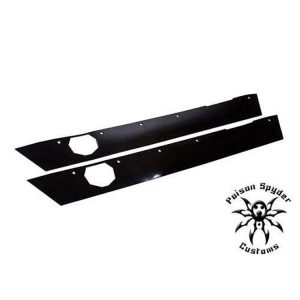
Poison Spyder Rubber Body Armor Liners (Black Rubber) – 18-08-310
- Precision cut black rubber liners for between the JK Body Armor and the body
- Keeps debris from collecting between the armor and factory sheet metal
- No cutting or trimming required
- Made for four-door models
SKU: PSC18-08-310






Why rock sliders matter
The rocker panels sit low and carry no real strength against a direct hit. Dragging one on a boulder can dent the body, crush the door gap and make the doors hard to open. A slider is a rigid tube or plate structure tied to the frame, so the vehicle slides across obstacles on the slider instead of the body. Sliders can also double as steps and, on some designs, as a lift point for a jack.
Types you will see
- Tube-style sliders: round or oval DOM or seamed tubing with end caps and gussets. They are common for trail rigs and often sold as a pair.
- Plate-style rockers: flat steel plate formed around the body line, sometimes with dimples or a stepping surface.
- Slider with step: adds a flat tread so passengers can climb in more easily.
- Rocker guards and panel protectors: lighter tube or textured plastic covers that protect against light scuffs and trail debris but are not meant for heavy rock contact.
Specs worth comparing
- Tube diameter and wall thickness, or plate thickness. Heavier construction resists denting but adds weight.
- Mounting method: bolt-on to existing frame points, drill-required, or weld-on. Weld-on sliders need a skilled welder and are usually shipped bare steel.
- Finish: bare steel needs painting or coating before use, while powder coat or textured finishes are ready to run but can chip at contact points.
- Length and cab configuration: two-door, four-door and cab-length designs are different parts.
- Interaction with fender flares, body lifts or suspension that changes the stance.
Installation and safety notes
Sliders are structural, so they must be mounted to the frame or the designated reinforcement points. Use the supplied hardware, torque it as instructed, and recheck it after trail use. For weld-on installation, have it done by a competent welder and protect nearby wiring and fuel lines. A slider that loosens or bends can let the body take the hit it was supposed to prevent.
Also think about ground clearance: low-hanging sliders can reduce breakover clearance and can catch on trail ledges.
Fitment
These are vehicle-specific. Confirm fitment for your exact year, make, model, cab or door count and wheelbase, since a two-door and four-door version of the same vehicle use different lengths. Check for notes such as suspension compatibility, fender flare requirements or whether the part is meant for a particular body style, and read the manufacturer's specifications before choosing.
Care and long-term use
Sliders take abuse by design, so expect scratches and flattened sections over time. Touch up exposed metal with a rust-inhibiting paint as soon as you notice bare spots, especially at the weld seams and the underside where mud collects. After a muddy trip, rinse out the inside of the tubes and any drain holes so moisture does not sit against the steel.
Look over the mounting points regularly. Impacts load the frame brackets, and a bolt that backs out can allow the whole rail to shift. If a slider is bent after a hard hit, evaluate it carefully, since a deformed tube may no longer carry load as designed. Also think about jacking: some owners use sliders as a lift point, but only do so when the manufacturer states that the design supports it.
Popular Rock Sliders and Guards brands
- Poison Spyder Customs (49)
- Smittybilt (38)
- Nfab (16)
- Rugged Ridge (13)
- Rock Slide Engineering (11)
- Trail Gear (10)
- JcrOffroad (10)
- Bushwacker (7)
- ARB 4x4 Accessories (4)
- Warrior (4)
- Fab Fours (3)
- Olympic 4x4 Products (3)
Rock Sliders and Guards FAQ
What is the difference between rock sliders and rocker guards?
Rock sliders are heavy-duty frame-mounted structures made for taking direct rock impacts. Rocker guards and panel protectors are lighter and mainly guard against scuffs, gravel and minor contact. Pick the stronger option if you wheel on rocky terrain.
Are bare steel sliders ready to install?
Not quite. Bare steel will rust quickly, so it should be painted or coated before or right after installation. Weld-on designs also require proper welding. Powder-coated sliders are ready for finish and installation but can chip.
Can I use rock sliders as steps?
Some designs include a step or a stepping plate, while many tube sliders are narrow and slippery when wet or muddy. Check the product description for step features and consider adding a textured surface if you plan to climb on them.
Do rock sliders need to be welded?
Not always. Many are bolt-on, using existing frame holes, though some require drilling. Weld-on versions can be stronger but need proper welding skills and equipment. The product listing normally states which type you are buying.