
Fuel Filler Doors
Showing 37–48 of 70 resultsSorted by popularity
-
-
Fuel Filler Doors
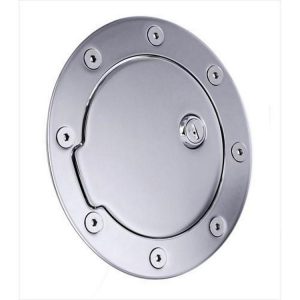
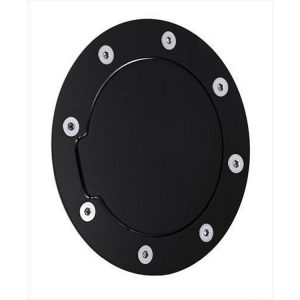
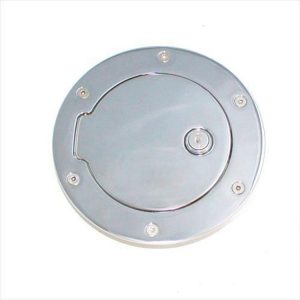
AMI Billet Fuel Doors (Polished Aluminum) – 6090P
- AMI 6090P polished aluminum billet fuel door, part number 6090P
- Ring outside diameter 7 3/8 in., door outside diameter 5 1/8 in.
- Machined from 6061-T6 aircraft aluminum
- Non-locking push-to-open door
- Direct Fit replacement
SKU: ASM6090P -
-
Fuel Filler Doors
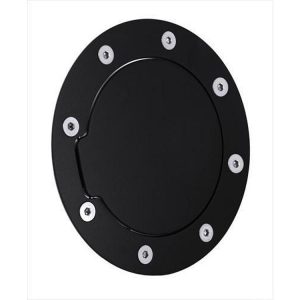
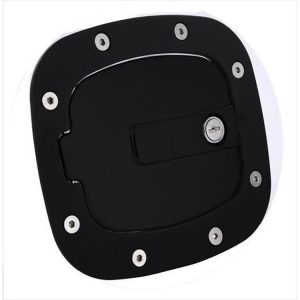
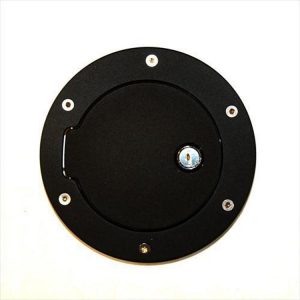
AMI Billet Fuel Doors (Black Aluminum) – 6071KL
- AMI 6071KL billet fuel door with a black aluminum finish
- Direct fit for the 2007–2014 Toyota FJ Cruiser (Base, TRD Special Edition, Trail Teams Special Edition)
- Black ring and door with a locking feature
- Part number 6071KL, UPC 660936163363
SKU: ASM6071KL -
-
-
-
Fuel Filler Doors
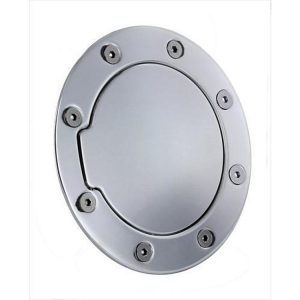
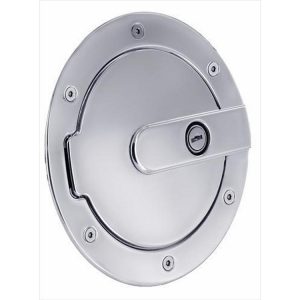
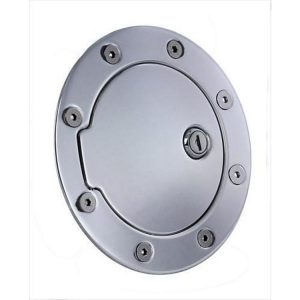
AMI Billet Fuel Doors (Brushed Aluminum) – 6050L
- AMI 6050L brushed aluminum billet fuel door, locking
- Fits Ford F-150, F-250 and F-350 Super Duty, Expedition, Excursion and Lincoln Navigator, 1996–2014
- Machined from 6061-T6 aircraft aluminum
- Push-to-open door with lock, no drilling required per AMI
SKU: ASM6050L -
-
Fuel Filler Doors
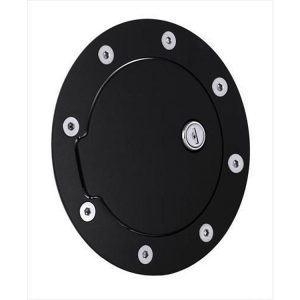
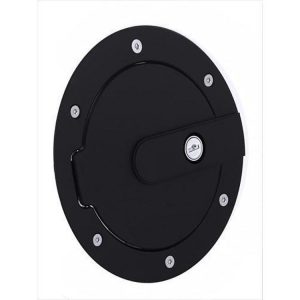
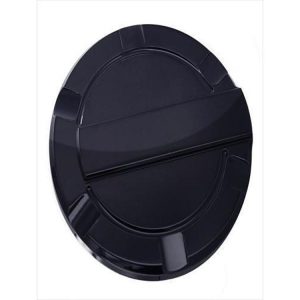
AMI Fuel Door Cover (Black Aluminum) – 6047KL
- Fits 2012–2018 Ram 1500 and 2013–2017 Ram 2500 and Ram 3500 trucks
- AMI 6047KL black aluminum billet fuel door cover
- Machined from 6061-T6 aircraft billet aluminum
- Locking door with a patented tension spring
- Installation instructions and hardware included
SKU: ASM6047KL

Why replace a fuel door
Factory fuel doors are often plastic. Over time they can crack, fade, lose their hinge or fail to latch, and a missing door leaves the filler neck exposed to dirt and water. Aftermarket doors are usually machined from billet aluminum and come in black, chrome, brushed or polished finishes, giving the vehicle a more rugged look along with a sturdier hinge.
Locking or non-locking
A non-locking door closes with a latch and offers no real protection beyond keeping debris out. A locking door uses a key to deter casual tampering with the fuel system. Some sets include a locking gas cap too. If you park in public places or leave the vehicle at trailheads, a locking version may be worth considering. Keep a spare key somewhere other than the vehicle.
Features to compare
- Material and finish: aluminum resists rust, but finishes vary in how well they hold up to road salt and UV.
- Mounting style: some doors replace the entire housing, while others cover the existing plastic door or ring.
- Seal: look for a gasket or design that keeps water out of the filler area.
- Latch parts: touch latches and replacement springs are sold separately for doors that only need small repairs.
Fitment and installation
Fuel doors are shaped for particular body styles and model years, and the opening dimensions differ between Jeep generations. Confirm fitment for your exact year, make and model, and check the manufacturer's specifications before drilling or removing the factory part. Installation commonly involves a few screws or adhesive, and most kits include the hardware, but read the instructions for your specific door.
When working near the fuel filler, keep ignition sources away, avoid creating sparks and make sure the gas cap seals fully afterward. A loose cap can trigger an emissions warning light. Clean paint and surfaces before mounting so any gasket seals evenly. A little touch-up on exposed metal can slow corrosion.
Finish choice is mostly cosmetic, but it should coordinate with other trim such as the gas cap, wheel flares and grille. Black and gloss black hide scuffs better than polished surfaces, which show fingerprints and hazing. Rinse road salt from the door area during winter driving.
Materials and construction
Billet aluminum doors are machined from solid stock, then anodized or powder coated. Anodizing forms a hard surface layer that resists scratches, while powder coat adds color and protection but can chip if hit. Chrome plating looks bright but can pit in winter road salt if the finish is damaged. Stainless steel resists rust well, though it is heavier. Compare the thickness of the door, the hinge design and whether the hinge uses a pin or a spring that can be replaced.
Gaskets matter more than they look. A foam or rubber seal under the door keeps water and dust out of the filler recess, which has a drain on many vehicles. Make sure the drain is not blocked after installation, since trapped water can corrode the filler neck.
Common mistakes to avoid
Avoid forcing a door that does not seat, because the opening may be a slightly different shape than the listing assumes. Test the latch many times before final tightening, and verify the original gas cap can still be removed with the door fully open. Check that paint is clean and dry before using any adhesive, and let it cure for the time stated.
Popular Fuel Filler Doors brands
- AMI (29)
- Rugged Ridge (20)
- Rampage (8)
- Jeep (6)
- Smittybilt (3)
- Drake (3)
- RT Off-Road (2)
- AMP-Research (2)
- Kentrol (2)
Fuel Filler Doors FAQ
Do I need a locking fuel door?
It is a matter of preference. Locking doors discourage casual fuel theft or tampering, which can matter in public parking or at trailheads. Non-locking doors are simpler and avoid lost-key problems.
Will a billet fuel door fit over my factory door?
Some are designed to mount over the plastic housing while others replace it entirely. Read the product details, and confirm fitment for your exact year, make and model before ordering.
Why would my fuel door not stay closed?
Common causes are a weak or broken spring, worn hinge or a failed touch latch. Replacement latches are often available separately, so a full door swap is not always required.
Does a new fuel door affect the gas cap?
Usually the factory cap is reused unless a locking cap is included. Make sure the cap clicks and seals fully, since a loose cap can set an emissions warning on many vehicles.