







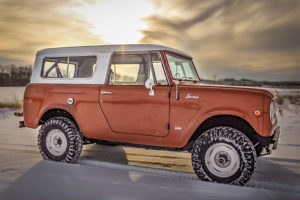
The first SUV wasn't a Jeep. See how the International Harvester Scout 80 came to be, how the Scout 800 and Scout II followed,…
Fender Flares
Showing 505–516 of 527 resultsSorted by popularity
-
-
Fender Flares
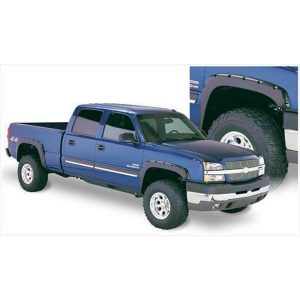
Bushwacker Chevrolet Silverado Pocket Style Fender Flare Set (Paintable) – 40924-02
- Pocket style flares for Chevrolet Silverado trucks
- Adds up to 2.00 inches of tire coverage from debris
- Front pair part 40087-02, rear pair part 40092-02
- Set of 42 inches, paintable, UV protected
SKU: B/W40924-02 -
Fender Flares
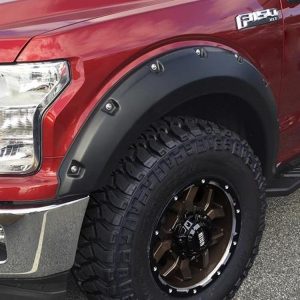
Bushwacker Ford F-150 Raptor Pocket Style Fender Flares (Paintable) – 20938-02
- Pocket style flares that add up to 3.50 inches of tire coverage
- Front pair part 20097-02, rear pair part 20098-02
- Paintable OE matte black finish, 100% UV protected
- Installs with minimal drilling, made in the USA
SKU: B/W20938-02 -
Fender Flares
Bushwacker Chevrolet Silverado Pocket Style Fender Flare Set (Paintable) – 40918-02
- Pocket style flares for Chevrolet Silverado trucks
- Adds up to 2.00 inches of tire coverage from debris
- Front pair part 40059-02, rear pair part 40060-02
- Set of 42 inches, paintable finish
SKU: B/W40918-02 -
-
Fender Flares
Fab Fours Front Fender Flare (Black) – JK1003-1
- Front fender flare with a high arch design for 2- and 4-door models
- 16-gauge CNC laser cut, brake formed steel
- 2-stage matte black powder coat with stainless steel hardware
- Accommodates LED parking and turn lamps from the base fender
- Weight 40 lb, 29 by 22 by 70 inches, sold as a pair
SKU: FFIJK1003-1 -
Fender Flares
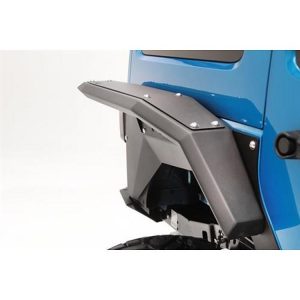
Fab Fours Rear Fender Flares (Black) – JK1005-1
- Rear fender flare with a high arch design for 4-door models
- 11-gauge CNC laser cut, brake formed steel
- 2-stage matte black powder coat with stainless steel hardware
- No drilling required, bolts to the base fender
- Weight 25 lb, 18 by 12 by 70 inches, sold as a pair
SKU: FFIJK1005-1 -
Fender Flares
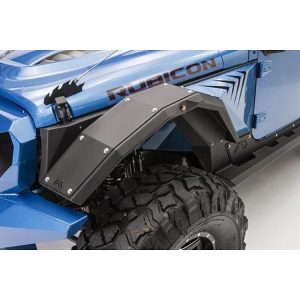
Full Width Front Fender Flares
- Full width front fender flares for 2007 to 2017 Jeep Wrangler JK models
- 11 gauge steel with 2-stage matte black powder coat
- Bolt-on fender skin for custom color matching
- LED turn signals, slightly wider than factory flares
- Stainless steel mounting hardware, made in the USA
SKU: FFIJK1006-1 -
Fender Flares
Bushwacker Ford Pocket Style Fender Flare Set (Paintable) – 20931-02
- Pocket style flares designed for the Ford Super Duty
- Adds up to 2.00 inches of tire coverage from debris
- Front pair part 20083-02, rear pair part 20084-02
- Paintable OEM matte black finish, 100% UV protected
SKU: B/W20931-02 -
Fender Flares
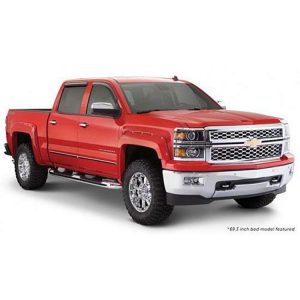
Bushwacker Ford Pocket Style Fender Flare Set (Paintable) – 20945-02
- Pocket-style fender flare set for the 2018 Ford F-150, front and rear, four pieces
- Up to 2 inches of tire coverage from debris
- Installs with minimal drilling; paintable
- 100% UV protected Dura-Flex 2000; made in the USA with a limited lifetime warranty
SKU: B/W20945-02 -
Fender Flares

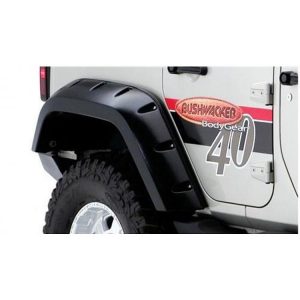
Bushwacker Max Coverage JK Wrangler Unlimited Rear Fender Flares (Paintable) – 10044-02
 Fender Flares
Bushwacker Max Coverage JK Wrangler Unlimited Rear Fender Flares (Paintable) – 10044-02
- Rear pair for 4-door Wrangler Unlimited models
- Adds up to 6.75 inches of tire coverage from debris
- Pocket style with recessed stainless steel bolts
- Paintable OEM matte black smooth finish, UV protected
- Made in the USA with a limited lifetime warranty
- Pairs with front flares, part 10045-02
SKU: B/W10044-02
What fender flares do
Fender flares extend the body line around each wheel opening. They help block mud, water and small rocks thrown up by the tires, and many regions require adequate tire coverage by law. They also add clearance for wider tires or a lift.
The category includes full flare sets, trim pieces and hardware kits.
Styles
- Pocket style flares have bolt-like rivet details and a dramatic profile.
- Extend-a-fender designs add moderate extra coverage for larger tires.
- OE style flares mimic the factory look.
- Cut-out flares are made for trucks with a specific bed or fender shape.
- Tube or diamond plate styles offer a rugged look for trail vehicles.
Choosing a set
Start with coverage. Measure your tire width and offset to be sure the flares cover the tread, and take lift height and wheel spacers into account. Check how much wider the flare extends beyond the body and whether front and rear sets are listed together.
Confirm fitment for your exact year, make and model, because fender shapes vary within generations. Check the material, usually a durable plastic or ABS, and whether it is paintable or comes in a textured black finish. Matching the paint is a job for a body shop or careful DIY work.
Installation and legal points
Installation methods include bolt-on rivet hardware, clips and adhesive tape. Some designs need holes drilled in the fender or removal of factory trim. Test fit before drilling or painting. Warm the plastic in cool weather so it follows the curve of the fender without cracking.
Tire coverage and fender requirements differ by state, and wider tires may require flares. Check local regulations. Clean the body surfaces well and seal drilled holes against rust. If you use a lift or tires beyond stock size, confirm clearance at full steering lock and suspension compression.
Further checks and care
Questions to ask before you choose
Think about the width of your tires, the wheel offset and whether you plan to change either. Decide whether you want a factory-like look or a bold one. Ask if you will paint the flares and how long the prep work might take. Finally, check whether hardware is included and whether the flare shape suits the mud and snow conditions where you drive.
Measuring and confirming fitment
Compare the flare's dimensions with your wheel opening, including the arch curve and the bolt or rivet pattern. Note the cab and bed style, because short-bed and long-bed trucks use different rear flares. Measure how far the tire edge extends beyond the body at full compression and when the wheel turns, since that defines the width needed. Check whether the flare covers factory molding or requires its removal.
Materials and care
Most flares use molded thermoplastic such as ABS or TPO, designed to flex and resist cracking. Some use aluminum or steel for a rugged look. UV-stabilized plastic keeps its color longer. Wash around the edges to clear grit trapped behind the flare, and re-tighten fasteners occasionally. Inspect adhesive tape and clips for lifting, and treat exposed holes in the fender with touch-up paint or sealer to stop rust.
Related guides
- First SUV: The International Harvester Scout 80 Story
Popular Fender Flares brands
- Bushwacker (332)
- Crown Automotive (55)
- Smittybilt (36)
- Omix-Ada (30)
- Fab Fours (20)
- Rugged Ridge (17)
- Lund (16)
- Xenon (7)
- MCE Fenders (6)
- Warrior (6)
- Rough Country (6)
- JcrOffroad (6)
Shop Fender Flares by type
Fender Flares FAQ
Do I need fender flares for bigger tires?
Often yes. Bigger or wider tires can stick out past the body, which throws more debris and may violate local coverage rules. Flares restore coverage, though they do not create clearance inside the wheel well.
Can fender flares be painted to match my vehicle?
Paintable versions can be painted with a primer and color-matched paint suited to the material. Textured black flares are usually left as they are. Prepare the surface and follow the manufacturer's guidance.
Will fender flares fit if I have a lift kit?
They can, but lift height and wheel offset determine the coverage you need. Check the flare's size against your tire and wheel setup, and confirm fitment for your exact vehicle.