
Clutch, under Clutch & Bellhousing Components, holds complete clutch kits, pressure plates and discs rather than linkage: Centerforce Series I and II kits and Dual Friction disc and pressure plate sets for Toyota Pickup, 4Runner and Tacoma, Nissan trucks, Chevrolet and GMC C and K trucks and Ford Broncos and F-series, plus clutch fork pivot balls and fulcrums from Omix-Ada and Crown Automotive for early Jeeps and Advance Adapters parts.Match the kit to your engine, transmission and use before comparing the products below.
Clutch
Showing 1–12 of 40 resultsSorted by popularity
-
Clutch
Midway Industries, producers of Centerforce performance clutches, is the aftermarket industry’s biggest national manufacturer of clutch and pressure plate systems. Centerforce was born in the 1980s out of Hot Rodder Bill Hays’ efforts to design a clutch that could perform up to the demands of racetrack conditions with the use of non-asbestos friction facings. Hays’ design was a success and the Centerforce Weighted Clutch System was patented. Midway Industries is still a three generation family run business and Centerforce products are still manufactured stateside in Prescott, Arizona. Midway Industries is extremely proud of Bill Hays’ legacy of Centerforce clutches and seeks to continue offering Jeep drivers unmatched innovation and quality.
 Clutch
Midway Industries, producers of Centerforce performance clutches, is the aftermarket industry’s biggest national manufacturer of clutch and pressure plate systems. Centerforce was born in the 1980s out of Hot Rodder Bill Hays’ efforts to design a clutch that could perform up to the demands of racetrack conditions with the use of non-asbestos friction facings. Hays’ design was a success and the Centerforce Weighted Clutch System was patented. Midway Industries is still a three generation family run business and Centerforce products are still manufactured stateside in Prescott, Arizona. Midway Industries is extremely proud of Bill Hays’ legacy of Centerforce clutches and seeks to continue offering Jeep drivers unmatched innovation and quality.
- Centerforce clutch from Midway Industries
- Model, part number and vehicle fitment to confirm before ordering
SKU: 1995 Chevrolet Blazer Base , 1995 Chevrolet Blazer LT , 1995 Chevrolet S10 Base , 1995 Chevrolet S10 LS , 1995 Chevrolet S10 SS , 1995 Chevrolet S10 ZR2 , 1995 GMC Jimmy Base , 1995 GMC Jimmy SL , 1995 GMC Jimmy SLE , 1995 GMC Jimmy SLS , 1995 GMC Jimmy SLT , 1995 GMC Sonoma SL , 1995 GMC Sonoma SLE , 1995 GMC Sonoma SLS , 1994 Chevrolet S10 Blazer Base , 1994 Chevrolet S10 Blazer LT , 1994 Chevrolet S10 Blazer Tahoe , 1994 Chevrolet S10 Blazer Tahoe LT , 1994 Chevrolet S10 Base , 1994 Chevrolet S10 LS , 1994 Chevrolet S10 SS , 1994 Chevrolet S10 ZR2 , 1994 GMC Jimmy Base , 1994 GMC Jimmy SLE , 1994 GMC Jimmy SLS , 1994 GMC Jimmy SLT , 1994 GMC Sonoma SL , 1994 GMC Sonoma SLE , 1994 GMC Sonoma SLS , 1984 Chevrolet K30 Silverado , 1984 Chevrolet C10 Custom , 1984 Chevrolet C10 Scottsdale , 1984 Chevrolet C10 Silverado , 1984 Chevrolet C20 Custom , 1984 Chevrolet C20 Scottsdale , 1984 Chevrolet C20 Silverado , 1984 Chevrolet C30 Custom , 1984 Chevrolet C30 Scottsdale , 1984 Chevrolet C30 Silverado , 1984 Chevrolet K20 Custom , 1984 Chevrolet K20 Scottsdale , 1984 Chevrolet K30 Custom , 1984 Chevrolet K30 Scottsdale , 1984 GMC C1500 Base , 1984 GMC C1500 High Sierra , 1984 GMC C1500 Sierra Classic , 1984 GMC C1500 Suburban Base , 1984 GMC C1500 Suburban High Sierra , 1984 GMC C1500 Suburban Sierra Classic , 1984 GMC C2500 Base , 1984 GMC C2500 High Sierra , 1984 GMC C2500 Sierra Classic , 1984 GMC C2500 Suburban Base , 1984 GMC C2500 Suburban High Sierra , 1984 GMC C2500 Suburban Sierra Classic , 1984 GMC C3500 Base , 1984 GMC C3500 High Sierra , 1984 GMC C3500 Sierra Classic , 1984 GMC Jimmy Base , 1984 GMC Jimmy High Sierra , 1984 GMC Jimmy Sierra Classic , 1984 GMC K1500 Base , 1984 GMC K1500 High Sierra , 1984 GMC K1500 Sierra Classic , 1984 GMC K2500 Base , 1984 GMC K2500 High Sierra , 1984 GMC K2500 Sierra Classic , 1984 GMC K2500 Suburban Base , 1984 GMC K2500 Suburban High Sierra , 1984 GMC K2500 Suburban Sierra Classic , 1984 GMC K3500 Base , 1984 GMC K3500 High Sierra , 1984 GMC K3500 Sierra Classic , 1983 Chevrolet C20 Scottsdale , 1983 Chevrolet K30 Scottsdale , 1983 Chevrolet K20 Scottsdale , 1983 Chevrolet C10 Scottsdale , 1983 Chevrolet C30 Scottsdale , 1983 Chevrolet C10 Custom , 1983 Chevrolet C10 Silverado , 1983 Chevrolet C20 Custom , 1983 Chevrolet C20 Silverado , 1983 Chevrolet C30 Custom , 1983 Chevrolet C30 Silverado , 1983 Chevrolet K20 Custom , 1983 Chevrolet K20 Silverado , 1983 Chevrolet K30 Custom , 1983 Chevrolet K30 Silverado , 1983 GMC C1500 Base , 1983 GMC C1500 High Sierra , 1983 GMC C1500 Sierra Classic , 1983 GMC C1500 Suburban Base , 1983 GMC C1500 Suburban High Sierra , 1983 GMC C1500 Suburban Sierra Classic , 1983 GMC C2500 Base , 1983 GMC C2500 High Sierra , 1983 GMC C2500 Sierra Classic , 1983 GMC C2500 Suburban Base , 1983 GMC C2500 Suburban High Sierra , 1983 GMC C2500 Suburban Sierra Classic , 1983 GMC C3500 Base , 1983 GMC C3500 High Sierra , 1983 GMC C3500 Sierra Classic , 1983 GMC Jimmy Base , 1983 GMC Jimmy High Sierra , 1983 GMC Jimmy Sierra Classic , 1983 GMC K1500 Base , 1983 GMC K1500 High Sierra , 1983 GMC K1500 Sierra Classic , 1983 GMC K2500 Base , 1983 GMC K2500 High Sierra , 1983 GMC K2500 Sierra Classic , 1983 GMC K3500 Base , 1983 GMC K3500 High Sierra , 1983 GMC K3500 Sierra Classic , 1982 Chevrolet K5 Blazer Custom , 1982 Chevrolet K5 Blazer Silverado , 1982 Chevrolet C10 Custom , 1982 Chevrolet C10 Scottsdale , 1982 Chevrolet C10 Silverado , 1982 Chevrolet C20 Custom , 1982 Chevrolet C20 Scottsdale , 1982 Chevrolet C20 Silverado , 1982 Chevrolet C20 Suburban Custom , 1982 Chevrolet C20 Suburban Scottsdale , 1982 Chevrolet C20 Suburban Silverado , 1982 Chevrolet C30 Custom , 1982 Chevrolet C30 Scottsdale , 1982 Chevrolet C30 Silverado , 1982 Chevrolet K10 Custom , 1982 Chevrolet K10 Scottsdale , 1982 Chevrolet K10 Silverado , 1982 Chevrolet K20 Custom , 1982 Chevrolet K20 Scottsdale , 1982 Chevrolet K20 Silverado , 1982 Chevrolet K20 Suburban Custom , 1982 Chevrolet K20 Suburban Scottsdale , 1982 Chevrolet K20 Suburban Silverado , 1982 Chevrolet K30 Custom , 1982 Chevrolet K30 Scottsdale , 1982 Chevrolet K30 Silverado , 1982 GMC C1500 Base , 1982 GMC C1500 High Sierra , 1982 GMC C1500 Sierra Classic , 1982 GMC C1500 Sierra Grande , 1982 GMC C1500 Street Coupe , 1982 GMC C1500 Suburban Base , 1982 GMC C1500 Suburban High Sierra , 1982 GMC C1500 Suburban Sierra Classic , 1982 GMC C1500 Suburban Sierra Grande , 1982 GMC C2500 Base , 1982 GMC C2500 High Sierra , 1982 GMC C2500 Sierra Classic , 1982 GMC C2500 Sierra Grande , 1982 GMC C2500 Suburban Base , 1982 GMC C2500 Suburban High Sierra , 1982 GMC C2500 Suburban Sierra Classic , 1982 GMC C2500 Suburban Sierra Grande , 1982 GMC C3500 Base , 1982 GMC C3500 High Sierra , 1982 GMC C3500 Sierra Classic , 1982 GMC C3500 Sierra Grande , 1982 GMC Jimmy Base , 1982 GMC Jimmy High Sierra , 1982 GMC Jimmy Sierra Classic , 1982 GMC Jimmy Sierra Grande , 1982 GMC Jimmy Street Coupe , 1982 GMC K1500 Base , 1982 GMC K1500 High Sierra , 1982 GMC K1500 Sierra Classic , 1982 GMC K1500 Sierra Grande , 1982 GMC K1500 Suburban Base , 1982 GMC K1500 Suburban High Sierra , 1982 GMC K1500 Suburban Sierra Classic , 1982 GMC K1500 Suburban Sierra Grande , 1982 GMC K2500 Base , 1982 GMC K2500 High Sierra , 1982 GMC K2500 Sierra Classic , 1982 GMC K2500 Sierra Grande , 1982 GMC K2500 Suburban Base , 1982 GMC K2500 Suburban High Sierra , 1982 GMC K2500 Suburban Sierra Classic , 1982 GMC K2500 Suburban Sierra Grande , 1982 GMC K3500 Base , 1982 GMC K3500 High Sierra , 1982 GMC K3500 Sierra Classic , 1982 GMC K3500 Sierra Grande , 1981 Chevrolet C10 Scottsdale , 1981 Chevrolet K10 Silverado , 1981 Chevrolet K10 Cheyenne , 1981 Chevrolet K10 Scottsdale , 1981 Chevrolet K20 Scottsdale , 1981 Chevrolet K20 Cheyenne , 1981 Chevrolet K20 Silverado , 1981 Chevrolet K30 Silverado , 1981 Chevrolet K30 Cheyenne , 1981 Chevrolet K30 Scottsdale , 1981 Chevrolet C10 Cheyenne , 1981 Chevrolet C10 Silverado , 1981 Chevrolet C20 Silverado , 1981 Chevrolet C20 Scottsdale , 1981 Chevrolet C20 Cheyenne , 1981 Chevrolet C30 Scottsdale , 1981 Chevrolet C30 Silverado , 1981 Chevrolet C30 Cheyenne , 1981 Chevrolet K5 Blazer Custom , 1981 Chevrolet K5 Blazer Deluxe , 1981 Chevrolet K5 Blazer Silverado , 1981 Chevrolet C10 Custom , 1981 Chevrolet C10 Deluxe , 1981 Chevrolet C20 Custom , 1981 Chevrolet C20 Deluxe , 1981 Chevrolet C20 Suburban Custom , 1981 Chevrolet C20 Suburban Deluxe , 1981 Chevrolet C30 Custom , 1981 Chevrolet C30 Deluxe , 1981 Chevrolet K10 Custom , 1981 Chevrolet K10 Deluxe , 1981 Chevrolet K20 Custom , 1981 Chevrolet K20 Deluxe , 1981 Chevrolet K20 Suburban Custom , 1981 Chevrolet K20 Suburban Deluxe , 1981 Chevrolet K30 Custom , 1981 Chevrolet K30 Deluxe , 1981 GMC C1500 Base , 1981 GMC C1500 High Sierra , 1981 GMC C1500 Sierra Classic , 1981 GMC C1500 Sierra Grande , 1981 GMC C1500 Street Coupe , 1981 GMC C1500 Suburban Base , 1981 GMC C1500 Suburban High Sierra , 1981 GMC C1500 Suburban Sierra Classic , 1981 GMC C1500 Suburban Sierra Grande , 1981 GMC C2500 Base , 1981 GMC C2500 High Sierra , 1981 GMC C2500 Sierra Classic , 1981 GMC C2500 Sierra Grande , 1981 GMC C2500 Suburban Base , 1981 GMC C2500 Suburban High Sierra , 1981 GMC C2500 Suburban Sierra Classic , 1981 GMC C2500 Suburban Sierra Grande , 1981 GMC C3500 Base , 1981 GMC C3500 High Sierra , 1981 GMC C3500 Sierra Classic , 1981 GMC C3500 Sierra Grande , 1981 GMC Jimmy Base , 1981 GMC Jimmy High Sierra , 1981 GMC Jimmy Sierra Classic , 1981 GMC Jimmy Sierra Grande , 1981 GMC Jimmy Street Coupe , 1981 GMC K1500 Base , 1981 GMC K1500 High Sierra , 1981 GMC K1500 Sierra Classic , 1981 GMC K1500 Sierra Grande , 1981 GMC K2500 Base , 1981 GMC K2500 High Sierra , 1981 GMC K2500 Sierra Classic , 1981 GMC K2500 Sierra Grande , 1981 GMC K2500 Suburban Base , 1981 GMC K2500 Suburban High Sierra , 1981 GMC K2500 Suburban Sierra Classic , 1981 GMC K2500 Suburban Sierra Grande , 1981 GMC K3500 Base , 1981 GMC K3500 High Sierra , 1981 GMC K3500 Sierra Classic , 1981 GMC K3500 Sierra Grande , 1980 Chevrolet K5 Blazer Cheyenne , 1980 Chevrolet K5 Blazer Custom Deluxe , 1980 Chevrolet K5 Blazer Silverado , 1980 Chevrolet C10 Cheyenne , 1980 Chevrolet C10 Custom Deluxe , 1980 Chevrolet C10 Scottsdale , 1980 Chevrolet C10 Silverado , 1980 Chevrolet C10 Big Ten , 1980 Chevrolet C10 Suburban Custom Deluxe , 1980 Chevrolet C10 Suburban Scottsdale , 1980 Chevrolet C10 Suburban Silverado , 1980 Chevrolet C20 Cheyenne , 1980 Chevrolet C20 Custom Deluxe , 1980 Chevrolet C20 Scottsdale , 1980 Chevrolet C20 Silverado , 1980 Chevrolet C20 Suburban Custom Deluxe , 1980 Chevrolet C20 Suburban Scottsdale , 1980 Chevrolet C20 Suburban Silverado , 1980 Chevrolet C30 Cheyenne , 1980 Chevrolet C30 Custom Deluxe , 1980 Chevrolet C30 Scottsdale , 1980 Chevrolet C30 Silverado , 1980 Chevrolet K10 Cheyenne , 1980 Chevrolet K10 Custom Deluxe , 1980 Chevrolet K10 Scottsdale , 1980 Chevrolet K10 Silverado , 1980 Chevrolet K20 Cheyenne , 1980 Chevrolet K20 Custom Deluxe , 1980 Chevrolet K20 Scottsdale , 1980 Chevrolet K20 Silverado , 1980 Chevrolet K20 Suburban Custom Deluxe , 1980 Chevrolet K20 Suburban Scottsdale , 1980 Chevrolet K20 Suburban Silverado , 1980 Chevrolet K30 Cheyenne , 1980 Chevrolet K30 Custom Deluxe , 1980 Chevrolet K30 Scottsdale , 1980 Chevrolet K30 Silverado , 1980 GMC C1500 Base , 1980 GMC C1500 High Sierra , 1980 GMC C1500 Sierra Classic , 1980 GMC C1500 Sierra Grande , 1980 GMC C1500 Street Coupe , 1980 GMC C1500 Heavy Half , 1980 GMC C1500 Suburban Base , 1980 GMC C1500 Suburban High Sierra , 1980 GMC C1500 Suburban Sierra Classic , 1980 GMC C1500 Suburban Sierra Grande , 1980 GMC C2500 Base , 1980 GMC C2500 High Sierra , 1980 GMC C2500 Sierra Classic , 1980 GMC C2500 Sierra Grande , 1980 GMC C2500 Suburban Base , 1980 GMC C2500 Suburban High Sierra , 1980 GMC C2500 Suburban Sierra Classic , 1980 GMC C2500 Suburban Sierra Grande , 1980 GMC C3500 Base , 1980 GMC C3500 High Sierra , 1980 GMC C3500 Sierra Classic , 1980 GMC C3500 Sierra Grande , 1980 GMC Jimmy Base , 1980 GMC Jimmy High Sierra , 1980 GMC Jimmy Sierra Classic , 1980 GMC Jimmy Sierra Grande , 1980 GMC Jimmy Street Coupe , 1980 GMC K1500 Base , 1980 GMC K1500 High Sierra , 1980 GMC K1500 Sierra Classic , 1980 GMC K1500 Sierra Grande , 1980 GMC K1500 Suburban Base , 1980 GMC K1500 Suburban High Sierra , 1980 GMC K1500 Suburban Sierra Classic , 1980 GMC K1500 Suburban Sierra Grande , 1980 GMC K2500 Base , 1980 GMC K2500 High Sierra , 1980 GMC K2500 Sierra Classic , 1980 GMC K2500 Sierra Grande , 1980 GMC K2500 Suburban Base , 1980 GMC K2500 Suburban High Sierra , 1980 GMC K2500 Suburban Sierra Classic , 1980 GMC K2500 Suburban Sierra Grande , 1980 GMC K3500 Base , 1980 GMC K3500 High Sierra , 1980 GMC K3500 Sierra Classic , 1980 GMC K3500 Sierra Grande , 1979 Chevrolet K5 Blazer Cheyenne , 1979 Chevrolet K5 Blazer Custom Deluxe , 1979 Chevrolet C10 Cheyenne , 1979 Chevrolet C10 Custom Deluxe , 1979 Chevrolet C10 Scottsdale , 1979 Chevrolet C10 Silverado , 1979 Chevrolet C10 Big Ten , 1979 Chevrolet C10 Suburban Custom Deluxe , 1979 Chevrolet C10 Suburban Scottsdale , 1979 Chevrolet C10 Suburban Silverado , 1979 Chevrolet C20 Cheyenne , 1979 Chevrolet C20 Custom Deluxe , 1979 Chevrolet C20 Scottsdale , 1979 Chevrolet C20 Silverado , 1979 Chevrolet C20 Suburban Custom Deluxe , 1979 Chevrolet C20 Suburban Scottsdale , 1979 Chevrolet C20 Suburban Silverado , 1979 Chevrolet C30 Cheyenne , 1979 Chevrolet C30 Custom Deluxe , 1979 Chevrolet C30 Scottsdale , 1979 Chevrolet C30 Silverado , 1979 Chevrolet K10 Cheyenne , 1979 Chevrolet K10 Custom Deluxe , 1979 Chevrolet K10 Scottsdale , 1979 Chevrolet K10 Silverado , 1979 Chevrolet K10 Suburban Custom Deluxe , 1979 Chevrolet K10 Suburban Scottsdale , 1979 Chevrolet K10 Suburban Silverado , 1979 Chevrolet K20 Cheyenne , 1979 Chevrolet K20 Custom Deluxe , 1979 Chevrolet K20 Scottsdale , 1979 Chevrolet K20 Silverado , 1979 Chevrolet K20 Suburban Custom Deluxe , 1979 Chevrolet K20 Suburban Scottsdale , 1979 Chevrolet K20 Suburban Silverado , 1979 Chevrolet K30 Cheyenne , 1979 Chevrolet K30 Custom Deluxe , 1979 Chevrolet K30 Scottsdale , 1979 Chevrolet K30 Silverado , 1979 GMC C1500 Base , 1979 GMC C1500 High Sierra , 1979 GMC C1500 Sierra Classic , 1979 GMC C1500 Sierra Grande , 1979 GMC C1500 Street Coupe , 1979 GMC C1500 Heavy Half , 1979 GMC C1500 Suburban Base , 1979 GMC C1500 Suburban High Sierra , 1979 GMC C1500 Suburban Sierra Classic , 1979 GMC C1500 Suburban Sierra Grande , 1979 GMC C2500 Base , 1979 GMC C2500 High Sierra , 1979 GMC C2500 Sierra Classic , 1979 GMC C2500 Sierra Grande , 1979 GMC C2500 Suburban Base , 1979 GMC C2500 Suburban High Sierra , 1979 GMC C2500 Suburban Sierra Classic , 1979 GMC C2500 Suburban Sierra Grande , 1979 GMC C3500 Base , 1979 GMC C3500 High Sierra , 1979 GMC C3500 Sierra Classic , 1979 GMC C3500 Sierra Grande , 1979 GMC Jimmy Base , 1979 GMC Jimmy High Sierra , 1979 GMC Jimmy Sierra Classic , 1979 GMC Jimmy Sierra Grande , 1979 GMC Jimmy Street Coupe , 1979 GMC K1500 Base , 1979 GMC K1500 High Sierra , 1979 GMC K1500 Sierra Classic , 1979 GMC K1500 Sierra Grande , 1979 GMC K1500 Suburban Base , 1979 GMC K1500 Suburban High Sierra , 1979 GMC K1500 Suburban Sierra Classic , 1979 GMC K1500 Suburban Sierra Grande , 1979 GMC K2500 Base , 1979 GMC K2500 High Sierra , 1979 GMC K2500 Sierra Classic , 1979 GMC K2500 Sierra Grande , 1979 GMC K2500 Suburban Base , 1979 GMC K2500 Suburban High Sierra , 1979 GMC K2500 Suburban Sierra Classic , 1979 GMC K2500 Suburban Sierra Grande , 1979 GMC K3500 Base , 1979 GMC K3500 High Sierra , 1979 GMC K3500 Sierra Classic , 1979 GMC K3500 Sierra Grande , 1978 Chevrolet C10 Silverado , 1978 Chevrolet C10 Suburban Silverado , 1978 Chevrolet C20 Silverado , 1978 Chevrolet C30 Silverado , 1978 Chevrolet K10 Silverado , 1978 Chevrolet K20 Silverado , 1978 Chevrolet K30 Silverado , 1978 Chevrolet K5 Blazer Silverado , 1978 Chevrolet K5 Blazer Cheyenne , 1978 Chevrolet K5 Blazer Custom Deluxe , 1978 Chevrolet C10 Cheyenne , 1978 Chevrolet C10 Custom Deluxe , 1978 Chevrolet C10 Scottsdale , 1978 Chevrolet C10 Big Ten , 1978 Chevrolet C10 Suburban Custom Deluxe , 1978 Chevrolet C10 Suburban Scottsdale , 1978 Chevrolet C20 Cheyenne , 1978 Chevrolet C20 Custom Deluxe , 1978 Chevrolet C20 Scottsdale , 1978 Chevrolet C20 Suburban Custom Deluxe , 1978 Chevrolet C20 Suburban Scottsdale , 1978 Chevrolet C30 Cheyenne , 1978 Chevrolet C30 Custom Deluxe , 1978 Chevrolet C30 Scottsdale , 1978 Chevrolet K10 Cheyenne , 1978 Chevrolet K10 Custom Deluxe , 1978 Chevrolet K10 Scottsdale , 1978 Chevrolet K10 Suburban Custom Deluxe , 1978 Chevrolet K10 Suburban Scottsdale , 1978 Chevrolet K20 Cheyenne , 1978 Chevrolet K20 Custom Deluxe , 1978 Chevrolet K20 Scottsdale , 1978 Chevrolet K20 Suburban Custom Deluxe , 1978 Chevrolet K20 Suburban Scottsdale , 1978 Chevrolet K30 Cheyenne , 1978 Chevrolet K30 Custom Deluxe , 1978 Chevrolet K30 Scottsdale , 1978 GMC C15 Base , 1978 GMC C15 High Sierra , 1978 GMC C15 Sierra Classic , 1978 GMC C15 Sierra Grande , 1978 GMC C15 Street Coupe , 1978 GMC C15 Heavy Half , 1978 GMC C15 Suburban Base , 1978 GMC C15 Suburban High Sierra , 1978 GMC C15 Suburban Sierra Classic , 1978 GMC C15 Suburban Sierra Grande , 1978 GMC C25 Base , 1978 GMC C25 High Sierra , 1978 GMC C25 Sierra Classic , 1978 GMC C25 Sierra Grande , 1978 GMC C25 Suburban Base , 1978 GMC C25 Suburban High Sierra , 1978 GMC C25 Suburban Sierra Classic , 1978 GMC C25 Suburban Sierra Grande , 1978 GMC C35 Base , 1978 GMC C35 High Sierra , 1978 GMC C35 Sierra Classic , 1978 GMC C35 Sierra Grande , 1978 GMC Jimmy Base , 1978 GMC Jimmy High Sierra , 1978 GMC Jimmy Sierra Classic , 1978 GMC Jimmy Sierra Grande , 1978 GMC Jimmy Street Coupe , 1978 GMC K15 Base , 1978 GMC K15 High Sierra , 1978 GMC K15 Sierra Classic , 1978 GMC K15 Sierra Grande , 1978 GMC K15 Suburban Base , 1978 GMC K15 Suburban High Sierra , 1978 GMC K15 Suburban Sierra Classic , 1978 GMC K15 Suburban Sierra Grande , 1978 GMC K25 Base , 1978 GMC K25 High Sierra , 1978 GMC K25 Sierra Classic , 1978 GMC K25 Sierra Grande , 1978 GMC K25 Suburban Base , 1978 GMC K25 Suburban High Sierra , 1978 GMC K25 Suburban Sierra Classic , 1978 GMC K25 Suburban Sierra Grande , 1978 GMC K35 Base , 1978 GMC K35 High Sierra , 1978 GMC K35 Sierra Classic , 1978 GMC K35 Sierra Grande , 1977 GMC K15 Indy Hauler , 1977 Chevrolet K5 Blazer Cheyenne , 1977 Chevrolet K5 Blazer Custom Deluxe , 1977 Chevrolet C10 Cheyenne , 1977 Chevrolet C10 Custom Deluxe , 1977 Chevrolet C10 Scottsdale , 1977 Chevrolet C10 Silverado , 1977 Chevrolet C10 Suburban Custom Deluxe , 1977 Chevrolet C10 Suburban Scottsdale , 1977 Chevrolet C10 Suburban Silverado , 1977 Chevrolet C20 Cheyenne , 1977 Chevrolet C20 Custom Deluxe , 1977 Chevrolet C20 Scottsdale , 1977 Chevrolet C20 Silverado , 1977 Chevrolet C20 Suburban Custom Deluxe , 1977 Chevrolet C20 Suburban Scottsdale , 1977 Chevrolet C20 Suburban Silverado , 1977 Chevrolet C30 Cheyenne , 1977 Chevrolet C30 Custom Deluxe , 1977 Chevrolet C30 Scottsdale , 1977 Chevrolet C30 Silverado , 1977 Chevrolet K10 Cheyenne , 1977 Chevrolet K10 Custom Deluxe , 1977 Chevrolet K10 Scottsdale , 1977 Chevrolet K10 Silverado , 1977 Chevrolet K10 Suburban Custom Deluxe , 1977 Chevrolet K10 Suburban Scottsdale , 1977 Chevrolet K10 Suburban Silverado , 1977 Chevrolet K20 Cheyenne , 1977 Chevrolet K20 Custom Deluxe , 1977 Chevrolet K20 Scottsdale , 1977 Chevrolet K20 Silverado , 1977 Chevrolet K20 Suburban Custom Deluxe , 1977 Chevrolet K20 Suburban Scottsdale , 1977 Chevrolet K20 Suburban Silverado , 1977 Chevrolet K30 Cheyenne , 1977 Chevrolet K30 Custom Deluxe , 1977 Chevrolet K30 Scottsdale , 1977 Chevrolet K30 Silverado , 1977 GMC C15 Base , 1977 GMC C15 High Sierra , 1977 GMC C15 Indy Hauler , 1977 GMC C15 Sierra Classic , 1977 GMC C15 Sierra Grande , 1977 GMC C15 Heavy Half , 1977 GMC C15 Suburban Base , 1977 GMC C15 Suburban High Sierra , 1977 GMC C15 Suburban Sierra Classic , 1977 GMC C15 Suburban Sierra Grande , 1977 GMC C25 Base , 1977 GMC C25 High Sierra , 1977 GMC C25 Sierra Classic , 1977 GMC C25 Sierra Grande , 1977 GMC C25 Suburban Base , 1977 GMC C25 Suburban High Sierra , 1977 GMC C25 Suburban Sierra Classic , 1977 GMC C25 Suburban Sierra Grande , 1977 GMC C35 Base , 1977 GMC C35 High Sierra , 1977 GMC C35 Sierra Classic , 1977 GMC C35 Sierra Grande , 1977 GMC Jimmy Base , 1977 GMC Jimmy High Sierra , 1977 GMC Jimmy Sierra Classic , 1977 GMC Jimmy Sierra Grande , 1977 GMC K15 Base , 1977 GMC K15 High Sierra , 1977 GMC K15 Sierra Classic , 1977 GMC K15 Sierra Grande , 1977 GMC K15 Suburban Base , 1977 GMC K15 Suburban High Sierra , 1977 GMC K15 Suburban Sierra Classic , 1977 GMC K15 Suburban Sierra Grande , 1977 GMC K25 Base , 1977 GMC K25 High Sierra , 1977 GMC K25 Sierra Classic , 1977 GMC K25 Sierra Grande , 1977 GMC K25 Suburban Base , 1977 GMC K25 Suburban High Sierra , 1977 GMC K25 Suburban Sierra Classic , 1977 GMC K25 Suburban Sierra Grande , 1977 GMC K35 Base , 1977 GMC K35 High Sierra , 1977 GMC K35 Sierra Classic , 1977 GMC K35 Sierra Grande , 1976 Chevrolet K5 Blazer Base , 1976 Chevrolet K5 Blazer Cheyenne , 1976 Chevrolet C10 Cheyenne , 1976 Chevrolet C10 Custom Deluxe , 1976 Chevrolet C10 Scottsdale , 1976 Chevrolet C10 Silverado , 1976 Chevrolet C20 Cheyenne , 1976 Chevrolet C20 Custom Deluxe , 1976 Chevrolet C20 Scottsdale , 1976 Chevrolet C20 Silverado , 1976 Chevrolet C20 Suburban Custom Deluxe , 1976 Chevrolet C20 Suburban Scottsdale , 1976 Chevrolet C20 Suburban Silverado , 1976 Chevrolet C30 Cheyenne , 1976 Chevrolet C30 Custom Deluxe , 1976 Chevrolet C30 Scottsdale , 1976 Chevrolet C30 Silverado , 1976 Chevrolet K10 Cheyenne , 1976 Chevrolet K10 Custom Deluxe , 1976 Chevrolet K10 Scottsdale , 1976 Chevrolet K10 Silverado , 1976 Chevrolet K20 Cheyenne , 1976 Chevrolet K20 Custom Deluxe , 1976 Chevrolet K20 Scottsdale , 1976 Chevrolet K20 Silverado , 1976 Chevrolet K20 Suburban Custom Deluxe , 1976 Chevrolet K20 Suburban Scottsdale , 1976 Chevrolet K20 Suburban Silverado , 1976 GMC C15 Base , 1976 GMC C15 High Sierra , 1976 GMC C15 Sierra Classic , 1976 GMC C15 Sierra Grande , 1976 GMC C15 Suburban Base , 1976 GMC C15 Suburban High Sierra , 1976 GMC C15 Suburban Sierra Classic , 1976 GMC C15 Suburban Sierra Grande , 1976 GMC C25 Base , 1976 GMC C25 High Sierra , 1976 GMC C25 Sierra Classic , 1976 GMC C25 Sierra Grande , 1976 GMC C25 Suburban Base , 1976 GMC C25 Suburban High Sierra , 1976 GMC C25 Suburban Sierra Classic , 1976 GMC C25 Suburban Sierra Grande , 1976 GMC C35 Base , 1976 GMC C35 High Sierra , 1976 GMC C35 Sierra Classic , 1976 GMC C35 Sierra Grande , 1976 GMC Jimmy Base , 1976 GMC Jimmy High Sierra , 1976 GMC Jimmy Sierra Classic , 1976 GMC Jimmy Sierra Grande , 1976 GMC K15 Base , 1976 GMC K15 High Sierra , 1976 GMC K15 Sierra Classic , 1976 GMC K15 Sierra Grande , 1976 GMC K15 Suburban Base , 1976 GMC K15 Suburban High Sierra , 1976 GMC K15 Suburban Sierra Classic , 1976 GMC K15 Suburban Sierra Grande , 1976 GMC K25 Base , 1976 GMC K25 High Sierra , 1976 GMC K25 Sierra Classic , 1976 GMC K25 Sierra Grande , 1976 GMC K25 Suburban Base , 1976 GMC K25 Suburban High Sierra , 1976 GMC K25 Suburban Sierra Classic , 1976 GMC K25 Suburban Sierra Grande , 1975 Chevrolet K5 Blazer Cheyenne , 1975 Chevrolet K5 Blazer Custom Deluxe , 1975 Chevrolet C10 Cheyenne , 1975 Chevrolet C10 Custom Deluxe , 1975 Chevrolet C10 Scottsdale , 1975 Chevrolet C10 Silverado , 1975 Chevrolet C20 Cheyenne , 1975 Chevrolet C20 Custom Deluxe , 1975 Chevrolet C20 Scottsdale , 1975 Chevrolet C20 Silverado , 1975 Chevrolet C20 Suburban Custom Deluxe , 1975 Chevrolet C20 Suburban Scottsdale , 1975 Chevrolet C20 Suburban Silverado , 1975 Chevrolet C30 Cheyenne , 1975 Chevrolet C30 Custom Deluxe , 1975 Chevrolet C30 Scottsdale , 1975 Chevrolet C30 Silverado , 1975 Chevrolet K10 Cheyenne , 1975 Chevrolet K10 Custom Deluxe , 1975 Chevrolet K10 Scottsdale , 1975 Chevrolet K10 Silverado , 1975 Chevrolet K20 Cheyenne , 1975 Chevrolet K20 Custom Deluxe , 1975 Chevrolet K20 Scottsdale , 1975 Chevrolet K20 Silverado , 1975 Chevrolet K20 Suburban Custom Deluxe , 1975 Chevrolet K20 Suburban Scottsdale , 1975 Chevrolet K20 Suburban Silverado , 1975 GMC C15 Base , 1975 GMC C15 High Sierra , 1975 GMC C15 Sierra Classic , 1975 GMC C15 Sierra Grande , 1975 GMC C15 Suburban Base , 1975 GMC C15 Suburban High Sierra , 1975 GMC C15 Suburban Sierra Classic , 1975 GMC C15 Suburban Sierra Grande , 1975 GMC C25 Base , 1975 GMC C25 High Sierra , 1975 GMC C25 Sierra Classic , 1975 GMC C25 Sierra Grande , 1975 GMC C25 Suburban Base , 1975 GMC C25 Suburban High Sierra , 1975 GMC C25 Suburban Sierra Classic , 1975 GMC C25 Suburban Sierra Grande , 1975 GMC C35 Base , 1975 GMC C35 High Sierra , 1975 GMC C35 Sierra Classic , 1975 GMC C35 Sierra Grande , 1975 GMC Jimmy Base , 1975 GMC Jimmy High Sierra , 1975 GMC Jimmy Sierra Classic , 1975 GMC Jimmy Sierra Grande , 1975 GMC K15 Base , 1975 GMC K15 High Sierra , 1975 GMC K15 Sierra Classic , 1975 GMC K15 Sierra Grande , 1975 GMC K15 Suburban Base , 1975 GMC K15 Suburban High Sierra , 1975 GMC K15 Suburban Sierra Classic , 1975 GMC K15 Suburban Sierra Grande , 1975 GMC K25 Base , 1975 GMC K25 High Sierra , 1975 GMC K25 Sierra Classic , 1975 GMC K25 Sierra Grande , 1975 GMC K25 Suburban Base , 1975 GMC K25 Suburban High Sierra , 1975 GMC K25 Suburban Sierra Classic , 1975 GMC K25 Suburban Sierra Grande , 1974 Chevrolet Blazer Base , 1974 Chevrolet C10 Pickup Base , 1974 Chevrolet C10 Suburban Base , 1974 Chevrolet C20 Pickup Base , 1974 Chevrolet C20 Suburban Base , 1974 Chevrolet C30 Pickup Base , 1974 Chevrolet K10 Pickup Base , 1974 Chevrolet K20 Pickup Base , 1974 Chevrolet K20 Suburban Base , 1974 Chevrolet K30 Pickup Base , 1974 GMC C15/C1500 Pickup Base , 1974 GMC C15/C1500 Suburban Base , 1974 GMC C25/C2500 Pickup Base , 1974 GMC C25/C2500 Suburban Base , 1974 GMC C35/C3500 Pickup Base , 1974 GMC Jimmy Base , 1974 GMC K15/K1500 Pickup Base , 1974 GMC K15/K1500 Suburban Base , 1974 GMC K25/K2500 Pickup Base , 1974 GMC K25/K2500 Suburban Base , 1974 GMC K35/K3500 Pickup Base , 1973 Chevrolet Blazer Base , 1973 Chevrolet C10 Pickup Base , 1973 Chevrolet C10 Suburban Base , 1973 Chevrolet C20 Pickup Base , 1973 Chevrolet C20 Suburban Base , 1973 Chevrolet C30 Pickup Base , 1973 Chevrolet K10 Pickup Base , 1973 Chevrolet K10 Suburban Base , 1973 Chevrolet K20 Pickup Base , 1973 Chevrolet K20 Suburban Base , 1973 Chevrolet K30 Pickup Base , 1973 GMC C15/C1500 Pickup Base , 1973 GMC C15/C1500 Suburban Base , 1973 GMC C25/C2500 Pickup Base , 1973 GMC C25/C2500 Suburban Base , 1973 GMC C35/C3500 Pickup Base , 1973 GMC Jimmy Base , 1973 GMC K15/K1500 Pickup Base , 1973 GMC K15/K1500 Suburban Base , 1973 GMC K25/K2500 Pickup Base , 1973 GMC K25/K2500 Suburban Base , 1973 GMC K35/K3500 Pickup Base , 1972 Chevrolet El Camino SS , 1972 Chevrolet Blazer Base , 1972 Chevrolet C10 Pickup Base , 1972 Chevrolet C10 Suburban Base , 1972 Chevrolet C20 Pickup Base , 1972 Chevrolet C20 Suburban Base , 1972 Chevrolet C30 Pickup Base , 1972 Chevrolet El Camino Base , 1972 Chevrolet El Camino Custom , 1972 Chevrolet K10 Pickup Base , 1972 Chevrolet K10 Suburban Base , 1972 Chevrolet K20 Pickup Base , 1972 Chevrolet K20 Suburban Base , 1972 Chevrolet K30 Pickup Base , 1972 GMC C15/C1500 Pickup Base , 1972 GMC C15/C1500 Suburban Base , 1972 GMC C25/C2500 Pickup Base , 1972 GMC C25/C2500 Suburban Base , 1972 GMC C35/C3500 Pickup Base , 1972 GMC Jimmy Base , 1972 GMC K15/K1500 Pickup Base , 1972 GMC K15/K1500 Suburban Base , 1972 GMC K25/K2500 Pickup Base , 1972 GMC K25/K2500 Suburban Base , 1972 GMC K35/K3500 Pickup Base , 1972 GMC Sprint Base , 1972 GMC Sprint Custom , 1971 Jeep J-2600 Base , 1971 Chevrolet Blazer Base , 1971 Chevrolet C10 Pickup Base , 1971 Chevrolet C10 Suburban Base , 1971 Chevrolet C20 Pickup Base , 1971 Chevrolet C20 Suburban Base , 1971 Chevrolet C30 Pickup Base , 1971 Chevrolet K10 Pickup Base , 1971 Chevrolet K10 Suburban Base , 1971 Chevrolet K20 Pickup Base , 1971 Chevrolet K20 Suburban Base , 1971 Chevrolet K30 Pickup Base , 1971 GMC C15/C1500 Pickup Base , 1971 GMC C15/C1500 Suburban Base , 1971 GMC C25/C2500 Pickup Base , 1971 GMC C25/C2500 Suburban Base , 1971 GMC C35/C3500 Pickup Base , 1971 GMC Jimmy Base , 1971 GMC K15/K1500 Pickup Base , 1971 GMC K15/K1500 Suburban Base , 1971 GMC K25/K2500 Pickup Base , 1971 GMC K25/K2500 Suburban Base , 1971 GMC K35/K3500 Pickup Base , 1971 GMC Sprint Base , 1971 Jeep J-100 Base , 1971 Jeep J-2500 Base , 1971 Jeep Wagoneer (SJ) Base , 1971 Jeep J-3800 Base , 1970 Chevrolet El Camino SS , 1970 Chevrolet Blazer Base , 1970 Chevrolet C10 Pickup Base , 1970 Chevrolet C10 Suburban Base , 1970 Chevrolet C20 Pickup Base , 1970 Chevrolet C20 Suburban Base , 1970 Chevrolet C30 Pickup Base , 1970 Chevrolet El Camino Base , 1970 Chevrolet El Camino Custom , 1970 Chevrolet K10 Pickup Base , 1970 Chevrolet K10 Suburban Base , 1970 Chevrolet K20 Pickup Base , 1970 Chevrolet K20 Suburban Base , 1970 Chevrolet K30 Pickup Base , 1970 GMC C15/C1500 Pickup Base , 1970 GMC C15/C1500 Suburban Base , 1970 GMC C25/C2500 Pickup Base , 1970 GMC C25/C2500 Suburban Base , 1970 GMC C35/C3500 Pickup Base , 1970 GMC Jimmy Base , 1970 GMC K15/K1500 Pickup Base , 1970 GMC K15/K1500 Suburban Base , 1970 GMC K25/K2500 Pickup Base , 1970 GMC K25/K2500 Suburban Base , 1970 GMC K35/K3500 Pickup Base , 1970 Jeep J-100 Base , 1970 Jeep J-2500 Base , 1970 Jeep J-2600 Base , 1970 Jeep J-2700 Base , 1970 Jeep J-3600 Base , 1970 Jeep J-3700 Base , 1970 Jeep J-3800 Base , 1970 Jeep J-4500 Base , 1970 Jeep J-4600 Base , 1970 Jeep J-4700 Base , 1970 Jeep Wagoneer (SJ) Base , 1969 Chevrolet El Camino SS , 1969 Chevrolet Blazer Base , 1969 Chevrolet C10 Pickup Base , 1969 Chevrolet C10 Suburban Base , 1969 Chevrolet C20 Pickup Base , 1969 Chevrolet C20 Suburban Base , 1969 Chevrolet C30 Pickup Base , 1969 Chevrolet El Camino Base , 1969 Chevrolet El Camino Custom , 1969 Chevrolet K10 Pickup Base , 1969 Chevrolet K10 Suburban Base , 1969 Chevrolet K20 Pickup Base , 1969 Chevrolet K20 Suburban Base , 1969 Chevrolet K30 Pickup Base , 1969 GMC C15/C1500 Pickup Base , 1969 GMC C15/C1500 Suburban Base , 1969 GMC C25/C2500 Pickup Base , 1969 GMC C25/C2500 Suburban Base , 1969 GMC C35/C3500 Pickup Base , 1969 GMC K15/K1500 Pickup Base , 1969 GMC K15/K1500 Suburban Base , 1969 GMC K25/K2500 Pickup Base , 1969 GMC K25/K2500 Suburban Base , 1969 GMC K35/K3500 Pickup Base , 1969 Jeep J-100 Base , 1969 Jeep J-2500 Base , 1969 Jeep J-2600 Base , 1969 Jeep J-2700 Base , 1969 Jeep J-3600 Base , 1969 Jeep J-3700 Base , 1969 Jeep J-3800 Base , 1969 Jeep Wagoneer (SJ) Base , 1968 Chevrolet El Camino SS , 1968 Chevrolet C10 Pickup Base , 1968 Chevrolet C10 Suburban Base , 1968 Chevrolet C20 Pickup Base , 1968 Chevrolet C20 Suburban Base , 1968 Chevrolet C30 Pickup Base , 1968 Chevrolet El Camino Base , 1968 Chevrolet El Camino Custom , 1968 Chevrolet K10 Pickup Base , 1968 Chevrolet K10 Suburban Base , 1968 Chevrolet K20 Pickup Base , 1968 Chevrolet K20 Suburban Base , 1968 Chevrolet K30 Pickup Base , 1968 GMC C15/C1500 Pickup Base , 1968 GMC C15/C1500 Suburban Base , 1968 GMC C25/C2500 Pickup Base , 1968 GMC C25/C2500 Suburban Base , 1968 GMC C35/C3500 Pickup Base , 1968 GMC K15/K1500 Pickup Base , 1968 GMC K15/K1500 Suburban Base , 1968 GMC K25/K2500 Pickup Base , 1968 GMC K25/K2500 Suburban Base , 1968 GMC K35/K3500 Pickup Base , 1968 Jeep J-100 Base , 1968 Jeep Wagoneer (SJ) Base , 1967 Chevrolet C10 Pickup Base , 1967 Chevrolet C20 Pickup Base , 1967 Chevrolet C30 Pickup Base , 1967 Chevrolet El Camino Base , 1967 Chevrolet K10 Pickup Base , 1967 Chevrolet K20 Pickup Base , 1966 Chevrolet C10 Pickup Base , 1966 Chevrolet C20 Pickup Base , 1966 Chevrolet C30 Pickup Base , 1966 Chevrolet El Camino Base , 1966 Chevrolet K10 Pickup Base , 1966 Chevrolet K20 Pickup Base , 1966 Chevrolet Suburban Base , 1965 Chevrolet C10 Pickup Base , 1965 Chevrolet C20 Pickup Base , 1965 Chevrolet C30 Pickup Base , 1965 Chevrolet K10 Pickup Base , 1965 Chevrolet K20 Pickup Base , 1965 Chevrolet Suburban Base , 1964 Chevrolet C10 Pickup Base , 1964 Chevrolet C20 Pickup Base , 1964 Chevrolet C30 Pickup Base , 1964 Chevrolet K10 Pickup Base , 1964 Chevrolet K20 Pickup Base , 1964 Chevrolet Suburban Base , 1963 Chevrolet C10 Pickup Base , 1963 Chevrolet C20 Pickup Base , 1963 Chevrolet C30 Pickup Base , 1963 Chevrolet K10 Pickup Base , 1963 Chevrolet K20 Pickup Base , 1963 Chevrolet Suburban Base , 1962 Chevrolet C10 Pickup Base , 1962 Chevrolet C20 Pickup Base , 1962 Chevrolet C30 Pickup Base , 1962 Chevrolet K10 Pickup Base , 1962 Chevrolet K20 Pickup Base , 1962 Chevrolet Suburban Base , -
Clutch, Clutch & Bellhousing Components, Drivetrain & Differential

Centerforce Series ll Full Kit – KCFT717516
 Clutch, Clutch & Bellhousing Components, Drivetrain & Differential
Centerforce Series ll Full Kit – KCFT717516
- Fits the 1964–1975 and 1978–1981 Chevrolet El Camino, 1978–1981 GMC Caballero and 1971–1977 GMC Sprint
- Part number KCFT717516
- Full facing disc with premium friction material
- Patented centrifugal weights in the pressure plate, where applicable
SKU: CENKCFT717516 -
Clutch, Clutch & Bellhousing Components, Drivetrain & Differential
Centerforce Series II Clutch Kit – CFT500500
 Clutch, Clutch & Bellhousing Components, Drivetrain & Differential
Centerforce Series II Clutch Kit – CFT500500
- Fits the 1986–1994 Nissan D21, 1987–1996 Pathfinder and 1995 Nissan Pickup
- Part number CFT500500
- Full facing disc with premium friction materials
- Pressure plate with patented centrifugal weights where applicable
- Intended for selected street/strip, off-road and towing use
SKU: CENCFT500500 -
Clutch, Clutch & Bellhousing Components, Drivetrain & Differential
Centerforce Series I Clutch Kit – CF018522
 Clutch, Clutch & Bellhousing Components, Drivetrain & Differential
Centerforce Series I Clutch Kit – CF018522
- Centerforce CF018522 Series I clutch kit
- Entry-level kit for stock replacement and mildly modified engines
- Fitment list covers 1985–1988 and 1992–1995 Toyota 4Runner and Pickup and 1995–2004 Tacoma
SKU: CENCF018522 -
Clutch, Clutch & Bellhousing Components, Drivetrain & Differential
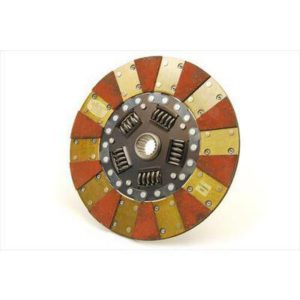
Centerforce Dual Friction Clutch Kit – DF384071
 Clutch, Clutch & Bellhousing Components, Drivetrain & Differential
Centerforce Dual Friction Clutch Kit – DF384071
- Centerforce Dual Friction clutch disc, part number DF384071
- 360-degree friction facing on one side, segmented facing on the other
- Made for Centerforce Dual Friction pressure plates
- Brand labels fitment Universal Fit; no vehicles listed
SKU: CENDF384071 -
Clutch, Clutch & Bellhousing Components, Drivetrain & Differential
Centerforce Dual Friction Clutch Disc and Pressure Plate – DF735552
 Clutch, Clutch & Bellhousing Components, Drivetrain & Differential
Centerforce Dual Friction Clutch Disc and Pressure Plate – DF735552
- Centerforce DF735552 dual friction clutch disc and pressure plate
- Fitment list covers Chevrolet and GMC C and K series trucks from 1971 to 1984
- Also lists 1994–1995 Chevrolet S10 and GMC Sonoma and Jimmy models
SKU: CENDF735552 -
Clutch, Clutch & Bellhousing Components, Drivetrain & Differential
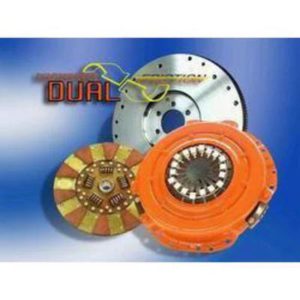
Centerforce Dual Friction Clutch Disc and Pressure Plate – DF522018
 Clutch, Clutch & Bellhousing Components, Drivetrain & Differential
Centerforce Dual Friction Clutch Disc and Pressure Plate – DF522018
- Centerforce DF522018 dual friction clutch disc and pressure plate
- Fitment list covers 1985–1988 and 1992–1995 Toyota 4Runner and Pickup
- Also covers 1995–2004 Toyota Tacoma
SKU: CENDF522018 -
Clutch, Clutch & Bellhousing Components, Drivetrain & Differential
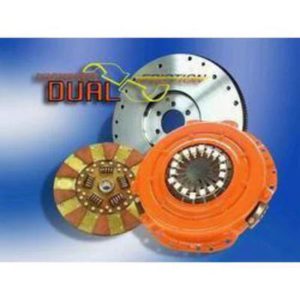
Centerforce Dual Friction Clutch Disc and Pressure Plate – DF519021
 Clutch, Clutch & Bellhousing Components, Drivetrain & Differential
Centerforce Dual Friction Clutch Disc and Pressure Plate – DF519021
- Centerforce DF519021 dual friction clutch disc and pressure plate
- Fitment list covers the 1996 Geo Tracker, 1991–1998 Suzuki Sidekick, 1999–2001 Suzuki Vitara and 1996–1998 Suzuki X-90
- Stated up to 90% more holding capacity than OEM, per Centerforce
SKU: CENDF519021 -
Clutch, Clutch & Bellhousing Components, Drivetrain & Differential
Centerforce Clutch Disc – 281226
- Centerforce 281226 clutch disc for the Centerforce I and II series
- Fitment list covers Ford Bronco, Econoline, F-100, F-150, F-250, F-350 and Ranchero
- Fitment list spans 1965 to 1996, with Ranchero and Bronco Sport years
SKU: CEN281226 -


What a clutch kit includes
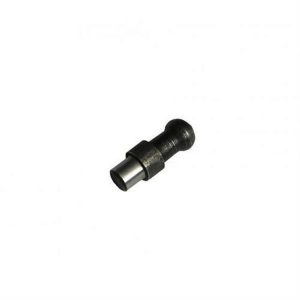
A clutch kit normally contains the pressure plate, which bolts to the flywheel and clamps the disc, the friction disc that splines onto the transmission input shaft, and often the release bearing, pilot bushing and an alignment tool. Some of the Centerforce items here are complete kits; others are a disc and pressure plate only, or a disc alone to pair with an existing Centerforce pressure plate. Read the contents line so you know whether to add a bearing and pilot from the Clutch Parts category. Clutch fork pivot balls and fulcrums for 1941 to 1975 Jeeps and Willys are also here, since the fork pivots on them inside the bellhousing.
Choosing a clutch by use
- Stock replacement: Centerforce Series I is built for stock engines and mild upgrades. It holds like the original with a factory-feeling pedal and is the right pick for a daily driven Toyota pickup or Nissan Pathfinder.
- Towing, big tires and moderate power: Series II adds a full-facing disc with premium friction material and a pressure plate with centrifugal weights that increase clamp load as engine speed rises, so pedal effort stays reasonable while holding power rises. It suits trucks that tow, run 33 inch and larger tires or have added torque.
- High torque and hard use: Dual Friction pairs a full 360 degree facing on one side with a segmented facing on the other, for more holding capacity and heat resistance with manageable engagement. Centerforce quotes up to 90 percent more holding capacity than stock on some applications. Engagement is firmer and these are meant for built engines, heavy off-road use and frequent towing.
Matching the parts
A clutch is matched to the engine, the transmission and the flywheel, not just the model. Diameter, spline count and input shaft diameter must agree with the transmission; the pressure plate bolt pattern must agree with the flywheel. Within one model line the clutch can change by year and engine, for example Toyota pickups with the 22R versus the 3.0 V6. Where a kit is listed as universal fit, it means Centerforce sells it by application and you must confirm the engine and transmission yourself. Centrifugal weight pressure plates are also sensitive to being installed with the flywheel surface at the correct height, so a flywheel that has been machined too deep may need a shim or replacement.
Installation
Resurface or replace the flywheel every time; a new disc on a glazed or heat-checked flywheel will chatter and wear quickly. Clean the flywheel and pressure plate faces with brake cleaner and keep grease off them. Install the disc the right way around, with the marking or the raised hub toward the transmission as the instructions show. Use the alignment tool to center the disc, then tighten the pressure plate bolts gradually in a star pattern to the specified torque so the plate seats evenly. Replace the pilot bushing and release bearing, lightly grease the input shaft splines and the fork pivot ball, and check the fork and bearing retainer sleeve for wear. New flywheel bolts and thread locker are good practice.
Clutch work means supporting a transmission that can weigh over 100 pounds and working under a vehicle on stands; if that is new to you, this is a job for a shop.
Break-in and adjustment
Most performance clutches want a break-in period of several hundred miles of normal street driving with no hard launches, so the friction surfaces seat against the flywheel and pressure plate. After break-in, check hydraulic fluid level and pedal free play or cable adjustment. A new clutch that slips when hot during break-in points to oil on the disc or a flywheel problem rather than a bad clutch.
Popular Clutch brands
Clutch FAQ
What is the difference between Centerforce Series I, Series II and Dual Friction?
Series I is a stock replacement for standard engines. Series II adds centrifugal weights and premium facing for towing, larger tires and mild power increases. Dual Friction combines a full facing with a segmented facing for the highest holding capacity, aimed at built engines and heavy use.
Do I need a new flywheel when replacing the clutch?
Inspect it. Minor glazing can be machined, but heat checks, cracks, scoring or a surface already cut too deep call for replacement. Centrifugal weight pressure plates depend on the flywheel surface being at the correct height, so avoid an over-machined flywheel.
How long is the break-in period for a new clutch?
Plan on several hundred miles of normal driving without hard launches or heavy towing so the disc seats against the flywheel and pressure plate. Full holding capacity arrives after break-in. Slipping during this period usually means contamination or a flywheel issue.
Is a clutch kit the same for all years of my truck?
Not necessarily. Disc diameter, spline count and pressure plate bolt pattern change with engine and transmission even within one model. Confirm the engine, transmission and year range on the listing, and compare the old disc's spline count and diameter before installation.