
Clutch
Showing 25–36 of 40 resultsSorted by popularity
-
Clutch
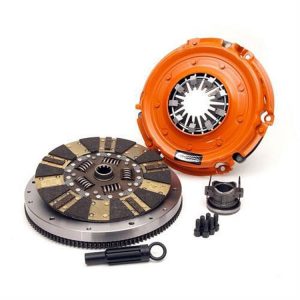
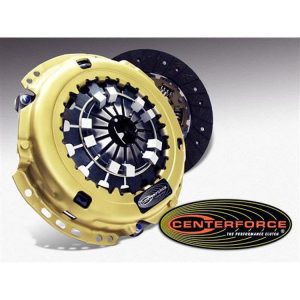
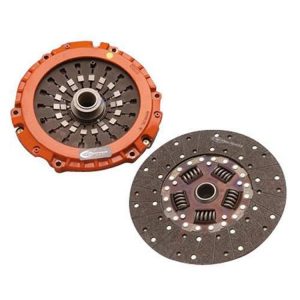
Centerforce Dual Friction Clutch Pressure Plate And Disc Set – KDF379176
- Centerforce KDF379176 dual friction clutch pressure plate and disc set
- Includes pressure plate and clutch disc; throwout bearing not included
- Full facing pressure plate side with a segmented carbon composite flywheel side facing
- Confirm fit for your vehicle before ordering.
SKU: CENKDF379176 -
Clutch
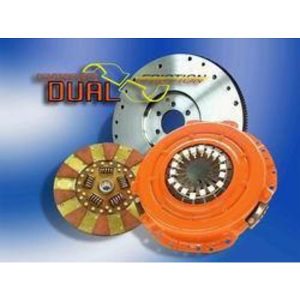
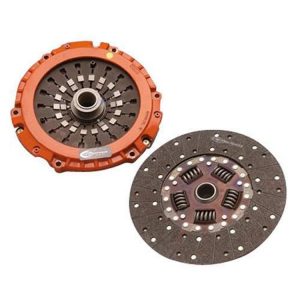
Centerforce Dual Friction Clutch Disc and Pressure Plate – DF517010
- Centerforce Dual Friction clutch disc and pressure plate, part number DF517010
- Up to 90% increase in holding capacity over OEM, per Centerforce
- Suited to engines with high horsepower or high torque output
- Smooth engagement and light pedal pressure
- 90 day warranty coverage; UPC 78844201772
SKU: CENDF517010 -
Clutch
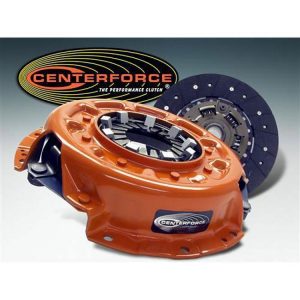
Centerforce Series II Clutch Kit – CFT633500
- Centerforce Series II clutch kit, part number CFT633500
- Full facing disc with premium friction materials
- Pressure plate with patented centrifugal weights where applicable
- Built for street/strip, off-road and towing use
- UPC 78844202703
SKU: CENCFT633500 -
Clutch
Centerforce Series I Clutch Kit – CF110501
- Centerforce Series I Stage 1 clutch kit, part number CF110501
- Entry-level performance clutch for stock replacement
- Premium friction materials; patented centrifugal weights where applicable
- Suited to stock engines or mild power increases from minor bolt-on modifications
- UPC 788442013559
SKU: CENCF110501 -
Clutch
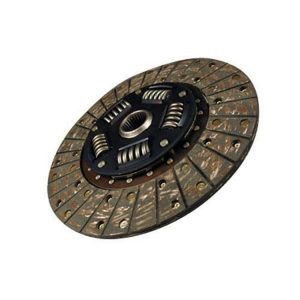
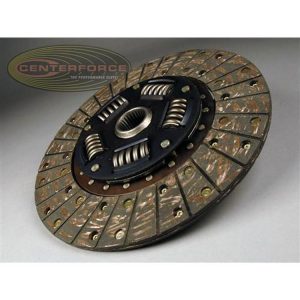
Centerforce Clutch Disc – 381030
- Replacement Centerforce clutch disc, part number 381030
- Premium friction materials with patented processes
- Built for Centerforce I and Centerforce II clutch systems
- UPC 788442010596
- Brand fitment label reads Direct Fit; no specific vehicles are listed
SKU: CEN381030 -
-
-



What a clutch kit includes
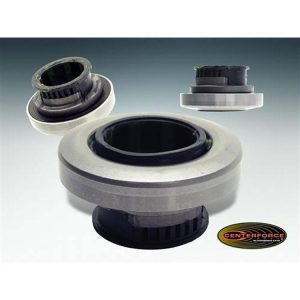
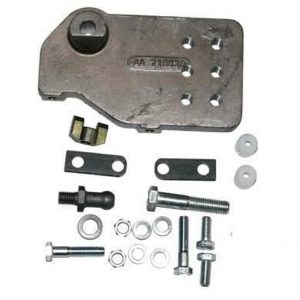
A clutch kit normally contains the pressure plate, which bolts to the flywheel and clamps the disc, the friction disc that splines onto the transmission input shaft, and often the release bearing, pilot bushing and an alignment tool. Some of the Centerforce items here are complete kits; others are a disc and pressure plate only, or a disc alone to pair with an existing Centerforce pressure plate. Read the contents line so you know whether to add a bearing and pilot from the Clutch Parts category. Clutch fork pivot balls and fulcrums for 1941 to 1975 Jeeps and Willys are also here, since the fork pivots on them inside the bellhousing.
Choosing a clutch by use
- Stock replacement: Centerforce Series I is built for stock engines and mild upgrades. It holds like the original with a factory-feeling pedal and is the right pick for a daily driven Toyota pickup or Nissan Pathfinder.
- Towing, big tires and moderate power: Series II adds a full-facing disc with premium friction material and a pressure plate with centrifugal weights that increase clamp load as engine speed rises, so pedal effort stays reasonable while holding power rises. It suits trucks that tow, run 33 inch and larger tires or have added torque.
- High torque and hard use: Dual Friction pairs a full 360 degree facing on one side with a segmented facing on the other, for more holding capacity and heat resistance with manageable engagement. Centerforce quotes up to 90 percent more holding capacity than stock on some applications. Engagement is firmer and these are meant for built engines, heavy off-road use and frequent towing.
Matching the parts
A clutch is matched to the engine, the transmission and the flywheel, not just the model. Diameter, spline count and input shaft diameter must agree with the transmission; the pressure plate bolt pattern must agree with the flywheel. Within one model line the clutch can change by year and engine, for example Toyota pickups with the 22R versus the 3.0 V6. Where a kit is listed as universal fit, it means Centerforce sells it by application and you must confirm the engine and transmission yourself. Centrifugal weight pressure plates are also sensitive to being installed with the flywheel surface at the correct height, so a flywheel that has been machined too deep may need a shim or replacement.
Installation
Resurface or replace the flywheel every time; a new disc on a glazed or heat-checked flywheel will chatter and wear quickly. Clean the flywheel and pressure plate faces with brake cleaner and keep grease off them. Install the disc the right way around, with the marking or the raised hub toward the transmission as the instructions show. Use the alignment tool to center the disc, then tighten the pressure plate bolts gradually in a star pattern to the specified torque so the plate seats evenly. Replace the pilot bushing and release bearing, lightly grease the input shaft splines and the fork pivot ball, and check the fork and bearing retainer sleeve for wear. New flywheel bolts and thread locker are good practice.
Clutch work means supporting a transmission that can weigh over 100 pounds and working under a vehicle on stands; if that is new to you, this is a job for a shop.
Break-in and adjustment
Most performance clutches want a break-in period of several hundred miles of normal street driving with no hard launches, so the friction surfaces seat against the flywheel and pressure plate. After break-in, check hydraulic fluid level and pedal free play or cable adjustment. A new clutch that slips when hot during break-in points to oil on the disc or a flywheel problem rather than a bad clutch.
Popular Clutch brands
Clutch FAQ
What is the difference between Centerforce Series I, Series II and Dual Friction?
Series I is a stock replacement for standard engines. Series II adds centrifugal weights and premium facing for towing, larger tires and mild power increases. Dual Friction combines a full facing with a segmented facing for the highest holding capacity, aimed at built engines and heavy use.
Do I need a new flywheel when replacing the clutch?
Inspect it. Minor glazing can be machined, but heat checks, cracks, scoring or a surface already cut too deep call for replacement. Centrifugal weight pressure plates depend on the flywheel surface being at the correct height, so avoid an over-machined flywheel.
How long is the break-in period for a new clutch?
Plan on several hundred miles of normal driving without hard launches or heavy towing so the disc seats against the flywheel and pressure plate. Full holding capacity arrives after break-in. Slipping during this period usually means contamination or a flywheel issue.
Is a clutch kit the same for all years of my truck?
Not necessarily. Disc diameter, spline count and pressure plate bolt pattern change with engine and transmission even within one model. Confirm the engine, transmission and year range on the listing, and compare the old disc's spline count and diameter before installation.