
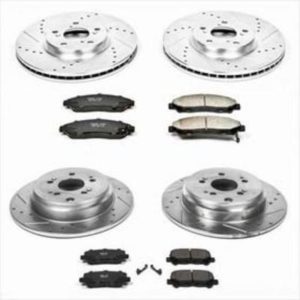
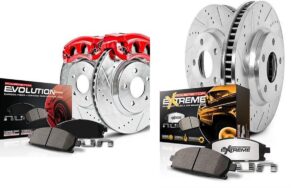
Power Stop Z23 vs Z36 explained: what each brake kit is for, what is in the box, which kits fit your truck or Jeep,…
Disc Brake Kits & Components
Showing 1261–1272 of 1415 resultsSorted by popularity
-
Disc Brake Pads

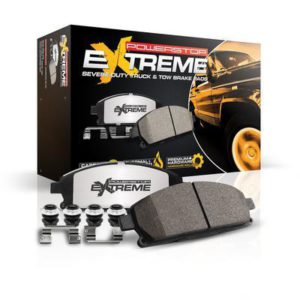
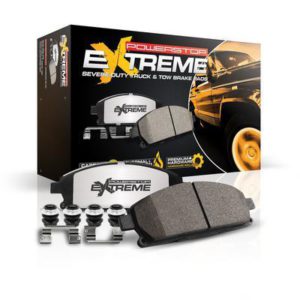
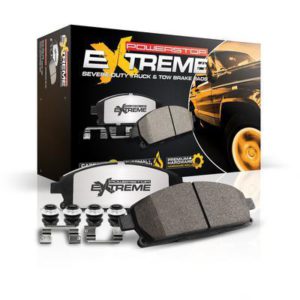
Power Stop Z36 Extreme Severe Duty Truck & Tow Brake Front Pads with Hardware – Z36-1328
 Disc Brake Pads
Power Stop Z36 Extreme Severe Duty Truck & Tow Brake Front Pads with Hardware – Z36-1328
- Front pads for the 2008–2014 E-150 and E-250 and E-350 Super Duty
- Low-dust ceramic with carbon fiber
- Stainless hardware and lubricant included
- Severe-duty upgrade for towing and hauling
SKU: PSTZ36-1328 -
Disc Brake Pads
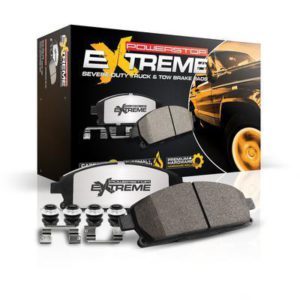
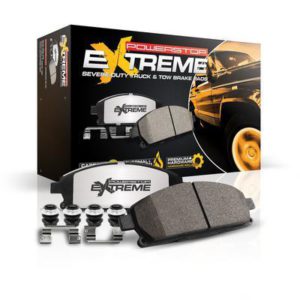
Power Stop Z36 Extreme Severe Duty Truck & Tow Brake Front Pads with Hardware – Z36-1119
 Disc Brake Pads
Power Stop Z36 Extreme Severe Duty Truck & Tow Brake Front Pads with Hardware – Z36-1119
- Front pads for the 2006–2010 Hummer H3 and 2009–2010 H3T
- Ceramic pads reinforced with carbon fibers
- Stainless steel shims and hardware included
- Aimed at towing, hauling and trail use
SKU: PSTZ36-1119 -
Disc Brake Calipers, Pads and Rotor Kits
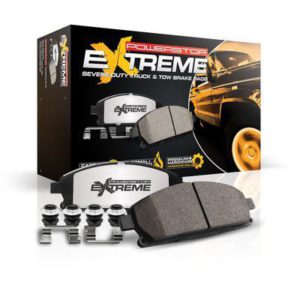
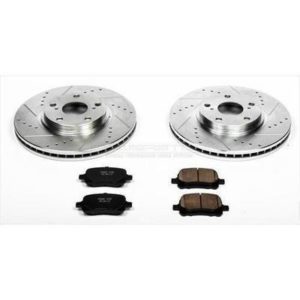
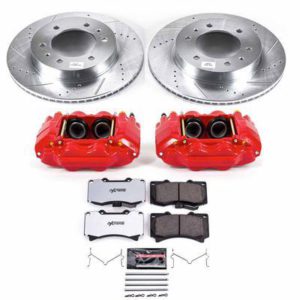
Power Stop Z36 Extreme Performance Truck & Tow Front Brake Kit with Calipers – KC3035-36
 Disc Brake Calipers, Pads and Rotor Kits
Power Stop Z36 Extreme Performance Truck & Tow Front Brake Kit with Calipers – KC3035-36
- Fits the 2006–2010 Hummer H3 and 2009–2010 H3T
- Front kit that includes calipers
- Ceramic carbon-fiber pads with zinc-plated rotors
- Stainless steel hardware, bolt-on installation
SKU: PSTKC3035-36 -
-
What is in this category
A disc brake system clamps pads against a spinning rotor. This category covers each piece, including pads, drilled or slotted rotors, calipers and the hardware that goes with them. It also includes kits that combine pads and rotors, and some big brake kits that replace the whole front assembly. Subcategories separate each part type so you can shop for only what is worn.
Choosing pads, rotors or a kit
Replacing only pads is fine when the rotors are within thickness specifications and smooth. If rotors are scored, warped or below minimum thickness, replace them with new pads so the surfaces bed in together. A matched kit takes the guesswork out of that pairing. Calipers are usually replaced when they leak, stick or seize.
- Ceramic pads: Generally quiet with low dust, good for daily driving.
- Carbon-ceramic or severe-duty pads: Made for heat from towing and hauling, often with chamfered and slotted faces.
- Street and track compounds: Higher friction, but they may be noisier or wear rotors faster.
Specs to compare
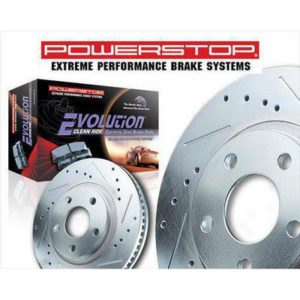
Match the position first. Front and rear parts are different, and listings note the axle. Then check rotor finish, such as coated or plated, and surface type: blank, slotted, or drilled and slotted. Slots help clear gas and debris, while drilled holes aid cooling but can be more prone to cracking under severe use. For trucks that tow, a pad described as a truck-and-tow compound is built around heat tolerance rather than street feel.
Installation and safety notes
Brakes are a safety system. If you are not experienced, have a qualified shop install them. Whoever does the work should clean hub faces, use the supplied hardware, apply lubricant only where the manufacturer specifies, torque caliper bracket bolts and wheel lug nuts to spec, and follow the pad bed-in procedure. Replace pads and rotors in axle pairs, never one side only.
Larger tires and heavier bumpers-bumpers-tire-carriers-winch-mounts-2 add stopping demand, but a pad or rotor change does not fix tire diameter or gear ratio issues. Confirm fitment for your exact year, make, model, drivetrain and trim, since brake sizes often change within a model year and with towing packages. After any brake service, test the pedal feel in a safe area before driving normally.
Inspection and common mistakes
Look at your brakes at every tire rotation. Measure pad thickness against the minimum in the service manual, check rotors for deep grooves, blue heat marks or a raised lip at the edge, and examine rubber brake hoses for cracks. Uneven pad wear on one side can point to a sticking caliper slide pin or piston, which should be fixed rather than simply replaced with new pads.
Common mistakes include mixing pad compounds between the front and rear axle without understanding the effect on brake balance, reusing worn hardware clips, and getting grease on the friction surfaces. Another is skipping the cleaning of rust on the hub face, which can cause rotor runout and pedal pulsation. Flush the brake fluid according to the maintenance schedule, since old fluid absorbs moisture and lowers its boiling point, which matters on long descents and when towing.
If you are matching a kit to a lifted vehicle with larger tires, remember that stopping distance also depends on tire grip and weight, not just the brake parts.
Related guides
- Z23 vs Z36: Stop Guessing Which Power Stop Brake Kit You Need
Popular Disc Brake Kits & Components brands
- Baer Brakes (1,225)
- Power Stop (157)
- EBC Brakes (16)
- Crown Automotive (7)
- Trail Gear (4)
- TeraFlex (3)
- Spidertrax Offroad (1)
- Hawk Performance (1)
- G2 Axle and Gear (1)
Shop Disc Brake Kits & Components by type
- Disc Brake Upgrade Kits (1,091)
- Disc Brake Calipers, Pads and Rotor Kits (44)
- Disc Brake Components (12)
Disc Brake Kits & Components FAQ
Should I replace rotors every time I replace pads?
Not always. Rotors can be reused if they are above minimum thickness and smooth. If they are scored, warped or worn thin, replace them with the pads. Many shops measure rotors to decide, using the manufacturer's specifications.
Are drilled and slotted rotors better for a truck?
They can help with heat and debris, which is useful for towing and wet or dusty driving. Plain blank rotors are fine for many daily drivers. Choose based on your use and confirm the part matches your vehicle.
What does bedding in new brakes mean?
Bedding is a series of controlled stops that transfers an even layer of pad material to the rotor. Each manufacturer publishes a procedure with speeds and number of stops. Follow it exactly for quiet, consistent braking.
Do front and rear brake pads differ?
Yes. They differ in size, shape and often compound, and are sold by position. Check the front or rear label in the listing and match it to your exact year, make, model and trim.