
Disc brake pads for trucks, SUVs and Jeeps, in ceramic, semi-metallic and carbon-ceramic formulations. Power Stop makes up most of the list, with EBC Brakes, Crown Automotive and Hawk Performance also represented. Compare pad series, intended use and position, front or rear. Confirm the correct pad for your exact vehicle, then open a product page for full details.
Disc Brake Pads
Showing 1–12 of 76 resultsSorted by popularity
-
Brakes & Steering, Disc Brake Kits & Components, Disc Brake Pads
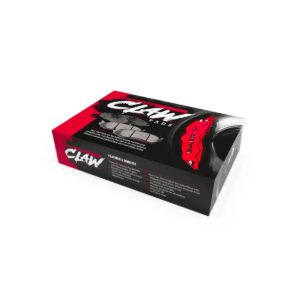
Baer Brakes Claw Brake Pads Rear 10/22/12-22 F250 Super Duty 2/4WD 13-22 F350 Super Duty Sgl/Dual Rear Wheels (Exc. 15-16 Wide Track Front Susp) 13-16 F450 Super Duty 8-Lug – D1691B
 Brakes & Steering, Disc Brake Kits & Components, Disc Brake Pads
Baer Brakes Claw Brake Pads Rear 10/22/12-22 F250 Super Duty 2/4WD 13-22 F350 Super Duty Sgl/Dual Rear Wheels (Exc. 15-16 Wide Track Front Susp) 13-16 F450 Super Duty 8-Lug – D1691B
- Rear Claw brake pads for 2012–2022 Ford F-250 Super Duty, from 10/22/12, 2WD and 4WD
- Fits 2013–2022 Ford F-350 Super Duty with single or dual rear wheels, excluding 15–16 wide track front suspension
- Fits 2013–2016 Ford F-450 Super Duty with 8-lug wheels
- Part number D1691B (FMSI D1691), set of 4 pads with abutment clips and pad shims
SKU: D1691B-BKCZ -
Brakes & Steering, Disc Brake Kits & Components, Disc Brake Pads
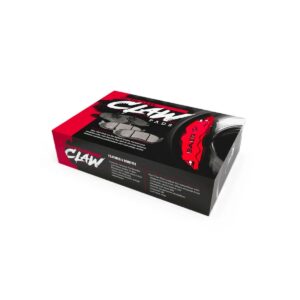
Baer Brakes Claw Brake Pads Rear 19-23 Ram 1500 New Body 22-23 Jeep Wagoneer And Grand Wagoneer – D2169
 Brakes & Steering, Disc Brake Kits & Components, Disc Brake Pads
Baer Brakes Claw Brake Pads Rear 19-23 Ram 1500 New Body 22-23 Jeep Wagoneer And Grand Wagoneer – D2169
- Rear Claw brake pads for 2022–2023 Jeep Grand Wagoneer and 2022–2023 Jeep Wagoneer
- Fits 2019–2023 Ram 1500 rear axle, new body style, 6-lug
- Part number D2169 (FMSI D2169), set of 4 pads
- Includes abutment clips, mounting hardware, pad shims and a mechanical wear sensor
SKU: D2169-BKCZ -
Brakes & Steering, Disc Brake Kits & Components, Disc Brake Pads
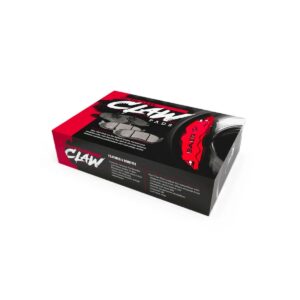
Baer Brakes Claw Brake Pads Front 19-23 Ram 1500 New Body 22-23 Jeep Wagoneer And Grand Wagoneer – D2179
 Brakes & Steering, Disc Brake Kits & Components, Disc Brake Pads
Baer Brakes Claw Brake Pads Front 19-23 Ram 1500 New Body 22-23 Jeep Wagoneer And Grand Wagoneer – D2179
- Baer Claw front brake pads for 2019-2023 Ram 1500 (new body style) and 2022-2023 Jeep Wagoneer and Grand Wagoneer
- Premium grade, slotted pads with mechanical wear sensor, shims and abutment clips
- Mounting hardware and brake lubricant are not included
- Part number D2179; UPC 90127866245
SKU: D2179-BKCZ -
Brakes & Steering, Disc Brake Kits & Components, Disc Brake Pads
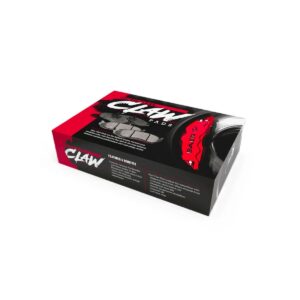
Baer Brakes Claw Brake Pads Front 21-24 Ford Bronco Exc. Raptor 19-21 Ranger – D2216
 Brakes & Steering, Disc Brake Kits & Components, Disc Brake Pads
Baer Brakes Claw Brake Pads Front 21-24 Ford Bronco Exc. Raptor 19-21 Ranger – D2216
- Baer Brakes D2216 front Claw ceramic brake pads, set of four
- Fitment list names 2021-2024 Ford Bronco (Raptor excluded) and 2019-2021 Ford Ranger
- Ceramic friction material, slotted, Premium grade, wear indicator attached
- Abutment clips, pad shims and a mechanical wear sensor included
SKU: D2216-BKCZ -
Brakes & Steering, Disc Brake Kits & Components, Disc Brake Pads
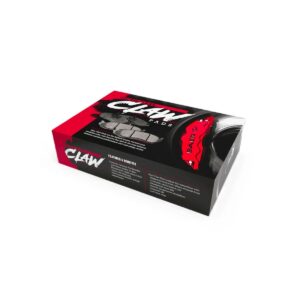
Baer Brakes Claw Brake Pads Front 19-25 Ram 2500/3500 Trucks – D2223
 Brakes & Steering, Disc Brake Kits & Components, Disc Brake Pads
Baer Brakes Claw Brake Pads Front 19-25 Ram 2500/3500 Trucks – D2223
- Front brake pad set for the 2019–2026 Ram 2500 and 3500 and 2019–2020 Ram 4000 front axle, per the manufacturer fitment list
- Baer Brakes part number D2223, FMSI D2223, four pads per set
- Premium high friction ceramic compound with low rotor wear and minimal dust
- Mechanical pad wear sensor and attached wear indicator
- Pad shims and abutment clips included; mounting hardware and brake lubricant not included
SKU: D2223-BKCZ -
Brakes & Steering, Disc Brake Kits & Components, Disc Brake Pads
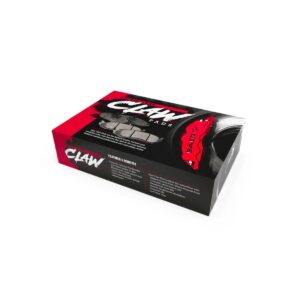
Baer Brakes Claw Brake Pads Rear 19-26 Ram 2500/3500 – D2225
 Brakes & Steering, Disc Brake Kits & Components, Disc Brake Pads
Baer Brakes Claw Brake Pads Rear 19-26 Ram 2500/3500 – D2225
- Rear brake pad set for the 2019–2025 Ram 2500 and 2019–2026 Ram 3500 rear axle, per the manufacturer fitment list
- Baer Brakes part number D2225, FMSI D2225, four pads per set
- Premium high friction ceramic compound for consistent wear, low rotor wear and minimal noise and dust
- Slotted pads with a mechanical pad wear sensor and attached wear indicator
- Stainless steel abutment hardware and pad shims included; mounting hardware and brake lubricant not included
SKU: D2225-BKCZ -
Brakes & Steering, Disc Brake Kits & Components, Disc Brake Pads
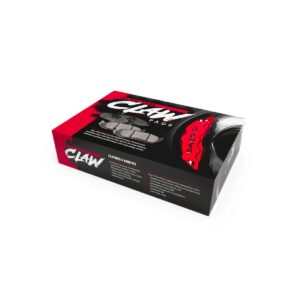
Baer Brakes Claw Brake Pads Rear 20-23 Jeep Gladiator JT 20-22 Jeep Wrangler W/Br3 Br4 Br5 Brake Code – D2233
 Brakes & Steering, Disc Brake Kits & Components, Disc Brake Pads
Baer Brakes Claw Brake Pads Rear 20-23 Jeep Gladiator JT 20-22 Jeep Wrangler W/Br3 Br4 Br5 Brake Code – D2233
- Baer Claw rear ceramic brake pads for 2020-2023 Jeep Gladiator and 2021-2026 Jeep Wrangler JL
- Wrangler entry applies to brake codes BR3, BR4 and BR5
- Mechanical wear sensor, slotted pads, shims and abutment clips included
- Part number D2233; UPC 90127866276
SKU: D2233-BKCZ -
Brakes & Steering, Disc Brake Kits & Components, Disc Brake Pads
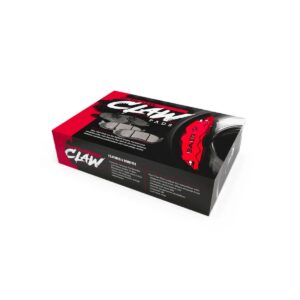
Baer Brakes Claw Brake Pads Rear 20-26 Chevrolet SilveradoGMC Sierra 2500/3500Hd Trucks – D2250
 Brakes & Steering, Disc Brake Kits & Components, Disc Brake Pads
Baer Brakes Claw Brake Pads Rear 20-26 Chevrolet SilveradoGMC Sierra 2500/3500Hd Trucks – D2250
- Baer Brakes D2250 Claw semi-metallic pads for 2020–2026 Chevrolet Silverado 2500 HD and GMC Sierra 2500 HD and 3500 HD
- Front and rear axle set with an electronic pad wear sensor
- Slotted pads with abutment clips and pad shims included
- Chevrolet Silverado 3500 HD is not among the named Chevrolet entries
SKU: D2250-BKCZ -
Brakes & Steering, Disc Brake Kits & Components, Disc Brake Pads
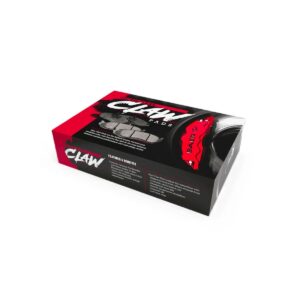
Baer Brakes Claw Brake Pads Front Various 21-Up Ford F150 F150 Raptor F-150 Lightning Bronco Expedition And Lincoln Navigator – D2382
 Brakes & Steering, Disc Brake Kits & Components, Disc Brake Pads
Baer Brakes Claw Brake Pads Front Various 21-Up Ford F150 F150 Raptor F-150 Lightning Bronco Expedition And Lincoln Navigator – D2382
- Baer Claw front semi-metallic brake pads for listed 2021-2026 Ford F-150, Bronco Raptor, Expedition and Lincoln Navigator applications
- Premium grade, slotted pads with abutment clips and pad shims included
- No pad wear sensor or attached wear indicator in this set
- Part number D2382; FMSI number D2383
SKU: D2382-BKCZ -
Brakes & Steering, Disc Brake Kits & Components, Disc Brake Pads
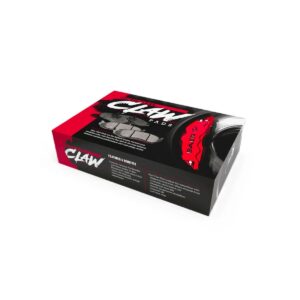
Baer Brakes Claw Brake Pads Rear Various 21-Up Ford F150 F150 Raptor F-150 Lightning Bronco Expedition And Lincoln Navigator – D2383
 Brakes & Steering, Disc Brake Kits & Components, Disc Brake Pads
Baer Brakes Claw Brake Pads Rear Various 21-Up Ford F150 F150 Raptor F-150 Lightning Bronco Expedition And Lincoln Navigator – D2383
- Baer Brakes D2383 rear Claw semi-metallic brake pads for the 2021–2026 F-150 family, Bronco, Expedition and Lincoln Navigator
- Four-pad set with abutment clips, mounting hardware and pad shims
- No pad wear sensor or wear indicator in this set
- F-150 Raptor Police Responder fitment depends on rotor diameter and drive type
SKU: D2383-BKCZ -
Brakes & Steering, Disc Brake Kits & Components, Disc Brake Pads
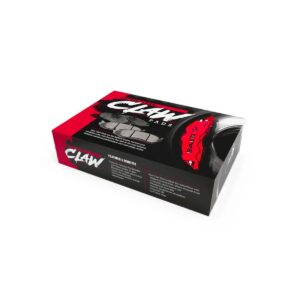
Baer Brakes Claw Brake Pads Rear 21-24 Ford Bronco Exc. Raptor – D2414
 Brakes & Steering, Disc Brake Kits & Components, Disc Brake Pads
Baer Brakes Claw Brake Pads Rear 21-24 Ford Bronco Exc. Raptor – D2414
- Baer Brakes D2414 Claw ceramic rear brake pads, set of four
- Fitment list names the 2021-2024 Ford Bronco, with Raptor models excluded
- Ceramic friction material, slotted pads and a wear indicator attached
- Abutment clips, pad shims, mounting hardware and a mechanical wear sensor included
SKU: D2414-BKCZ -
Brakes & Steering, Disc Brake Kits & Components, Disc Brake Pads
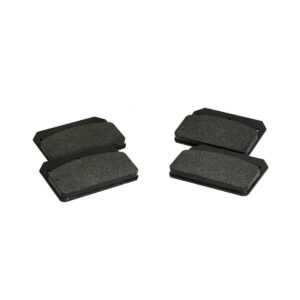
Baer Brakes Race S4 Disc Brake Pads For Select Baer S4 Systems – Hb100 Dr1 – DR1-N
 Brakes & Steering, Disc Brake Kits & Components, Disc Brake Pads
Baer Brakes Race S4 Disc Brake Pads For Select Baer S4 Systems – Hb100 Dr1 – DR1-N
- Baer Brakes DR1-N race brake pads for Baer S4 systems, sold as a four-pad kit
- High friction race compound aimed at track day and performance driving
- Semi-metallic friction material on a black backing plate, Premium grade
- Caliper hardware (8 pad abutments) and noise suppression hardware sold separately
- No vehicle fitment listed; series label references G-Body cars 78-88 with 11 Inch SS4+ front systems
SKU: DR1-N-BKCZ
What brake pads do
Brake pads clamp against the rotor to turn motion into heat. Their friction material determines pedal feel, noise, dust, rotor wear and how well they cope with heat. Pads are a wear item and should be replaced when the friction material is thin, as indicated by wear sensors, squeal tabs or measurement against the manufacturer's minimum thickness.
Pad compounds
- Ceramic pads run quiet, make little dust and are gentle on rotors, which suits daily driving.
- Semi-metallic pads contain metal fibers, handle heat well and bite hard, but can be noisier and dustier.
- Carbon-ceramic or hybrid formulas, as described in product listings, aim to combine low dust with strong stopping under load.
- Performance street and track compounds grab harder when hot but may be less comfortable cold.
Matching the pad to your use
Trucks and SUVs often tow, carry loads or run larger tires, all of which add braking demand. Look for pads described for truck and SUV or tow use if that applies. A pad built for track days may squeal and wear rotors faster in everyday driving. Descriptions often refer to chamfered and slotted designs, which help with noise and gas venting, and to shims or insulators that reduce vibration.
What to check before choosing
- Front or rear axle, since the pads differ.
- Year, make, model, trim and brake package, such as heavy-duty or towing packages.
- Whether hardware, shims or anti-rattle clips are included.
- Whether the pad is a direct replacement or an upgrade.
Installation and break-in
Brakes are a safety system. If you are not experienced, have a qualified technician do the work. At minimum, inspect rotors and calipers, clean and lubricate slide pins, and replace pads in axle sets. Machine or replace rotors if worn, scored or below minimum thickness. Follow the manufacturer's bedding procedure, because most pads need gradual heat cycling to transfer material evenly. Torque caliper bolts and wheel nuts to specification and test the pedal before driving.
Inspection and mistakes to avoid
Measure pad thickness at several points. Many pads wear faster on one end or on the inner pad, which can point to a sticking slide pin or caliper piston. Pads that are worn unevenly, glazed or cracked should be replaced and the cause found. Squealing that continues after bedding can come from missing shims, dry slide pins or the wrong compound.
- Do not mix pad compounds from side to side on one axle.
- Do not touch the friction surface with greasy hands or spray lubricant near it. Contamination reduces grip.
- Do not apply grease to the pad's friction face. Use brake-rated lubricant only on contact points and slide pins.
- Brake fluid absorbs moisture over time, so check the fluid age at pad replacement.
For vehicles used for towing or heavy off-road work, replace pads before they reach the minimum thickness. Fade, a loss of braking when pads and rotors overheat, is more likely when materials are thin. Descending long grades in a lower gear reduces heat in the brakes.
Popular Disc Brake Pads brands
Disc Brake Pads FAQ
Should I replace brake pads in pairs?
Yes, replace pads on both wheels of an axle at the same time. Uneven friction between sides can cause pulling and uneven wear. Front and rear pads wear at different rates, so they are replaced independently.
Are ceramic or semi-metallic pads better for trucks?
It depends on use. Ceramic pads are quiet and clean for daily driving. Semi-metallic pads handle heat from towing and heavy loads well. Choose according to your driving and the pad maker's stated use.
Do I need new rotors with new pads?
Not always, but rotors must be smooth, true and above minimum thickness. Grooves, heavy rust ridges or warping call for machining or replacement. Many shops recommend new rotors to restore full pad contact.
What does bedding in brake pads mean?
Bedding is a series of controlled stops that heat the pads and rotors evenly and lay down friction material. The exact procedure differs by manufacturer, so follow the instructions included with the pads.