
Winches & Winch Accessories
Showing 529–540 of 874 resultsSorted by popularity
-
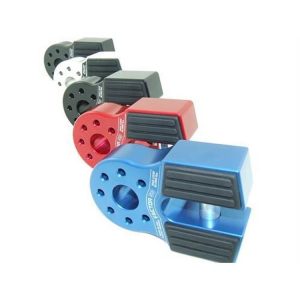
Winch Safety Thimble
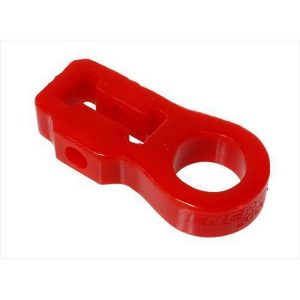
Factor 55 FlatLink – 00050-06
- Universal fit winch safety thimble and D-ring, part number 00050-06
- Folding shackle mount for recovery winches, under 1.75 inches thick
- Splice-free attachment for cable or rope up to 3/8 inch diameter
- UPC 70000693226; 6000 series billet aluminum
SKU: F5500050-06 -
Winch Safety Thimble
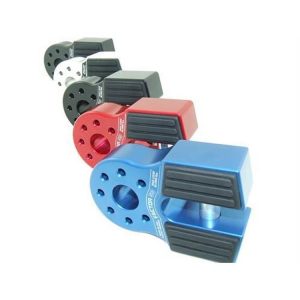
Factor 55 FlatLink – 00050-05
- Factor 55 FlatLink 00050-05 winch safety thimble and D-ring with universal fit
- Replaces the standard winch hook; folding shackle mount under 1.75 inches thick
- Takes rope or cable up to 3/8 inch diameter; secured by a 5/8 inch steel double shear pin
- UPC 700006932250, made in the USA
SKU: F5500050-05 -
Winch Safety Thimble
Factor 55 FlatLink – 00050-04
- Universal fit winch thimble and D-ring for recovery winches, not tied to a vehicle
- Folding shackle mount under 1.75 inches thick, for roller fairlead license plate brackets
- Steel cable or synthetic rope up to 3/8 inch, no splicing required
- Part number 00050-04, UPC 70000693224
SKU: F5500050-04 -
Winch Safety Thimble
Factor 55 FlatLink – 00050-02
- Universal fit winch safety thimble and D-ring; Factor 55 lists no model-specific fitment
- Replaces the conventional winch hook with a folding shackle mount under 1.75 inches thick
- Accepts steel cable or synthetic rope up to 3/8 inch diameter with no splicing
- Part number 00050-02, UPC 70000692755, made in the USA
SKU: F5500050-02 -
Winch Safety Thimble
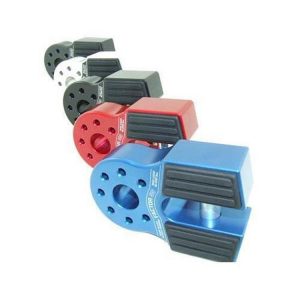
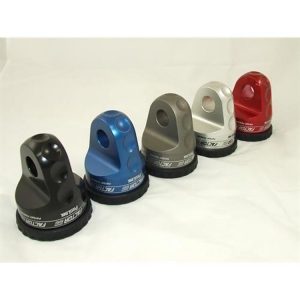
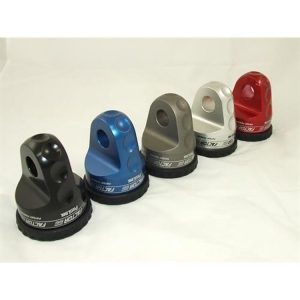
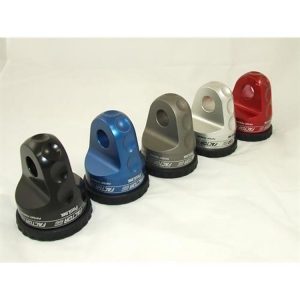
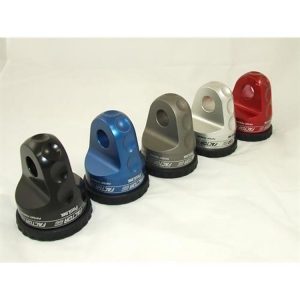
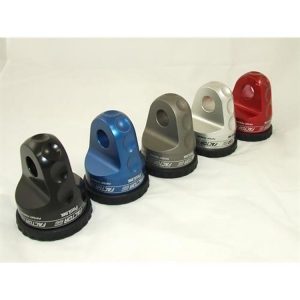
Factor 55 ProLink Loaded – 00015-06
- Factor 55 ProLink Loaded, part number 00015-06, a shackle mount for winch cables and synthetic ropes
- Holds a standard 3/4 inch screw pin shackle through a removable 5/8 inch pin
- Billet 6061 aluminum body with a 1.2 inch thick mounting tab
- Universal fit, compatible with Hawse and Roller fairleads
SKU: F5500015-06 -
Winch Safety Thimble
Factor 55 ProLink Loaded – 00015-05
- Factor 55 ProLink Loaded, part number 00015-05, attaches a 3/4 inch screw pin shackle to winch eyes
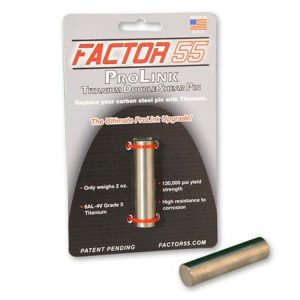
- Removable oversized 5/8 inch double shear pin
- Billet 6061 aluminum body with a 1.2 inch thick mounting tab
- Compatible with Hawse and Roller fairleads, made in the USA
SKU: F5500015-05 -
Winch Safety Thimble
Factor 55 ProLink Loaded – 00015-04
- Factor 55 ProLink Loaded, part number 00015-04, black with titanium pin and silver guard
- Fits steel cables and synthetic ropes up to 3/8 inch in diameter
- Max load rating of 16,000 pounds
- Billet 6061-T6 aluminum body, made in the USA
SKU: F5500015-04 -
-
Winch Safety Thimble
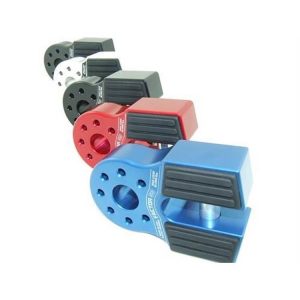
Factor 55 ProLink Loaded – 00015-01
- Factor 55 ProLink Loaded, part number 00015-01, shackle mount for winch cables and synthetic ropes
- Takes a standard 3/4 inch screw pin shackle
- Captured by a removable 5/8 inch double shear pin
- Billet 6061 aluminum, machined in the USA, for Hawse and Roller fairleads
SKU: F5500015-01 -
-
-



Building a recovery kit
A winch is only one part of a safe recovery system. Pulling a stuck vehicle depends on the winch, the line, the anchor, and the accessories between them. This category includes all of those pieces: winches and mounting plates, hooks and thimbles, fairleads, tree trunk protectors, snatch blocks, soft shackles and straps, traction pads, and Hi-Lift style jacks.
Choose items as a set. A strong winch paired with a weak anchor strap or an undersized shackle leaves the weakest piece as the real limit.
Choosing a winch
- Rated line pull: A common guideline is a rating of about one and a half times the vehicle's gross weight, to cover mud, slopes, and drag.
- Rope type: Synthetic rope is lighter and safer if it breaks, while steel cable resists abrasion better. Synthetic rope pairs with a hawse fairlead, not a roller fairlead. Roller fairleads are for steel cable.
- Duty cycle: Electric winches heat up under long pulls, so follow the maker's rest guidance.
- Controls: Wired or wireless remotes and switches add convenience, but confirm solenoid and harness compatibility.
Mounts, power, and installation
A winch needs a rated mounting plate or winch bumper bolted to a solid structure, plus heavy gauge cables to the battery. Check the bolt pattern, commonly 10 by 4-1/2 inches on many plates, against your winch's pattern. A strong battery and healthy charging system matter more than most people expect, since a loaded winch draws heavy current.
Professional installation or careful following of the instructions is wise for mounting and wiring. Confirm fitment for your exact year, make, and model.
Safe use and ratings
Always check the working load limit on every strap, shackle, and hook, and do not exceed the lowest rating. Use a tree trunk protector rather than wrapping a bare line around a tree, wear gloves, keep bystanders clear, and drape a recovery bag or heavy jacket over the line. Never use a tow strap or hook as a lifting device, and never hook a line back onto itself unless the hook is designed for it. Inspect straps and ropes for cuts and fraying before every trip.
Keeping your gear ready
Gear that sits for months can fail when you need it. Spool the winch line out and back under light load every so often, inspect for kinks, flat spots, and frays, and rinse salt, mud, and sand off after trips. Keep the solenoid and connectors clean and dry.
Store straps and soft shackles away from sunlight and chemicals, replace any with cuts or heat damage, and keep the recovery items together in a bag. Practice a pull in a safe place so you know how everything works before you have to use it in trouble.
Match the supporting items to the winch. Hooks, shackles, and straps should be rated at or above the winch's line pull, and the fairlead must suit the line type. Mounting hardware should be high strength, and the mounting surface must be able to carry the load without flexing.
Jacks are also part of recovery. A high-lift jack is versatile but dangerous if the load shifts, so use a base plate on soft ground and keep hands and face clear of the handle. Traction boards and pads help a vehicle drive itself out of sand or snow and can prevent the need for a winch pull at all.
Practice matters as much as hardware. Learn how to rig a double-line pull, set a clear anchor, and agree on hand signals with whoever is helping.
Popular Winches & Winch Accessories brands
- Warn (336)
- Smittybilt (102)
- Rugged Ridge (96)
- Daystar (47)
- Hi-Lift Jack (43)
- Bubba Rope (38)
- ARB 4x4 Accessories (34)
- Fab Fours (29)
- Factor 55 (24)
- AMI (11)
- Go Rhino (11)
- Rampage (11)
Shop Winches & Winch Accessories by type
- Winch (152)
- Winch Accessories (154)
- Tow Strap (55)
- Winch Cable and Synthetic Rope (50)
- Winch Mounting Plate (37)
- Winch Mounts & ATV Bumpers (41)
- Trail Jack Accessories (35)
- Trail Jacks & Vehicle Recovery Equipment (58)
- Winch Fairlead (30)
- Winch Controller (31)
- Winch Accessory Kit (23)
- Winch Repair Parts (21)
- Winch Cover (21)
- Tow Hook (14)
- Trail Jacks (17)
- Tree Trunk Protector (14)
- Winch Safety Thimble (14)
- Snatch Block (13)
- Winch Wire Harness (11)
- Electric Recovery Winches (11)
- Recovery Bag (10)
- Winch Carrier (9)
- Receiver Hitch D-Ring Mount (8)
- Winch Solenoid (8)
- Winch Hook and Hardware Kit (8)
- Winch Switches (8)
- Winch Bumper Mounting Channel (4)
- Winch Hook Isolator (5)
- Snatch Strap (4)
- Receiver Shackle Bracket (3)
Winches & Winch Accessories FAQ
How big a winch do I need?
A common rule is a line pull rating around 1.5 times the vehicle's loaded weight. Heavier rigs, steep terrain, and deep mud call for more. Confirm your vehicle's weight and the winch maker's specifications.
Synthetic rope or steel cable?
Synthetic rope is lighter, easier to handle, and stores less energy if it fails, but it needs protection from heat and abrasion. Steel cable is tougher on rough surfaces but heavier and can cut hands. Use the right fairlead for each.
What is a snatch block for?
A snatch block is a pulley that doubles the pulling force, roughly halving the load on the winch, or redirects the pull to a better angle. Its rated capacity must exceed the load, and it needs a secure anchor.
Do I need a tree trunk protector?
It is strongly recommended. A wide strap spreads the load and protects both the tree and the line. Wrapping a cable or rope directly around a trunk can damage the tree and the line. Check local rules about using trees in some areas.