
Mud Flaps
Showing 13–24 of 43 resultsSorted by popularity
-
-
-
-
-
Mud Flaps
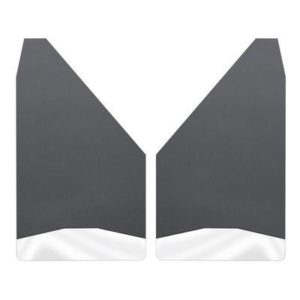
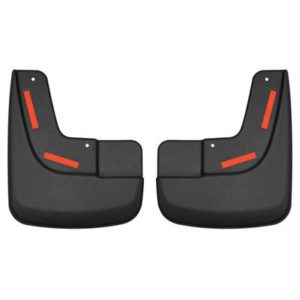
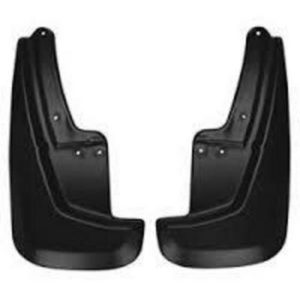
Husky Front Mud Guards (Black) – 58271
- Fits 2019–2021 and 2022 GMC Sierra 1500 trucks in the trims shown below
- Husky Liners form fit front mud guards, part number HUS58271, in black
- Maximum width for full tread coverage of single or dually factory tires
- Impact resistant, all-weather thermoplastic with Husky Shield Film against the paint
SKU: HUS58271 -
Mud Flaps
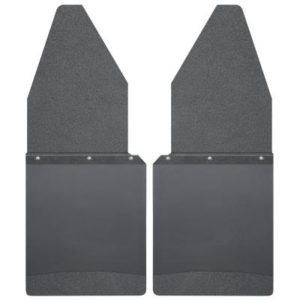
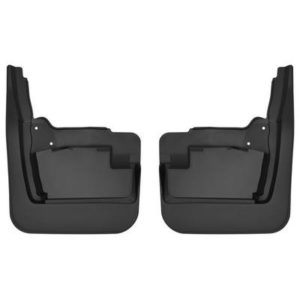
Husky Front Mud Guards (Black) – 58261
- Fits 2019–2021 and 2022 Chevrolet Silverado 1500 trucks in the trims shown in the fitment section
- Husky Liners form fit front mud guards, part number HUS58261, in black
- Maximum width for full tread coverage of single or dually factory tires
- Impact resistant, all-weather thermoplastic with Husky Shield Film against the paint
SKU: HUS58261 -
-
-
-
Mud Flaps
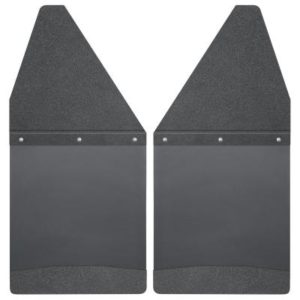
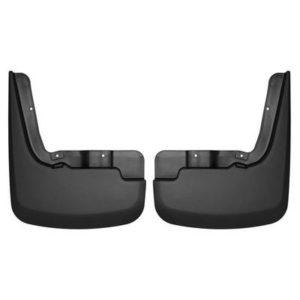
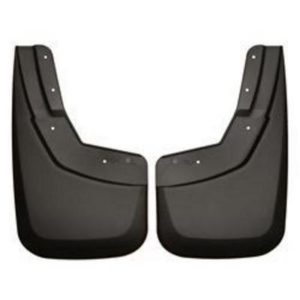
Husky Front Mud Guards (Black) – 56701
- Husky Liners HUS56701 front mud guards in black, custom molded for 2004–2011 Chevrolet Colorado and GMC Canyon trucks
- Fits several Colorado and Canyon trims, including Z71 and Z85
- Paintable black material, made in the USA, comes in pairs
- Installation requires cutting or drilling
SKU: HUS56701 -

Why use mud flaps
Tires throw water, mud, gravel and road salt behind and beside the vehicle. Over time that spray chips paint on the lower body, rocker panels and doors, and it coats the vehicle behind you. Mud flaps and splash guards catch part of it. They are an inexpensive way to protect finishes and cut the debris sent at trailing vehicles, and many off-roaders add them before a muddy trip.
Styles in this category
- Molded vehicle-specific guards: shaped for a specific model and often use factory mounting holes. Front and rear sets are generally separate.
- No-drill designs: fasten with existing bolts or clips so the body is not drilled.
- Universal flaps and bracket kits: a flap with its own mounting hardware, useful for modified trucks or trailers.
- Hub-mounted systems: use the wheel hub and a bracket so the flap follows the tire on lifted or fender-trimmed rigs.
Choosing the right set
Match the guard to the vehicle's year, make and model, and check whether you have factory fender flares, running boards or aftermarket flares, because these change which style fits. Wide aftermarket tires and lifted suspension can push spray past a standard guard, so consider wider or taller coverage if you have modified the vehicle. Material matters as well. Rubber and thermoplastic guards flex and resist cracking in cold weather, while thin plastic can stiffen and break.
Off-road considerations
On rocky trails, long flaps can snag on rocks or reduce breakover and departure clearance, so some off-roaders remove them before technical terrain or choose short, flexible designs. Check clearance at full suspension travel and full steering lock so the flap does not rub the tire.
Installing
Most sets install with basic hand tools in less than an hour. Use the supplied hardware, avoid overtightening plastic mounts and apply sealant or touch-up paint where holes are drilled in sheet metal. Confirm fitment for your exact vehicle and trim before choosing.
Material and mounting quality make a noticeable difference over the years. Heavy-duty rubber and flexible polymer flaps hold their shape, resist cracking and flex rather than snap when they catch a rock. Stiff plastic guards give cleaner lines but can be more brittle in extremely cold weather. Look at the hardware as well. Stainless or coated fasteners resist rust, and spacers or backing plates spread the load on thin sheet metal.
Consider coverage in relation to your tires and fenders. A flap should reach close to the tire's width and hang low enough to catch spray, but not so low that it drags on a steep driveway or trail. Some owners fit a front and rear set for full protection, while others install only a rear set for towing or only a front set to protect the lower body. Wash behind the guards periodically, because mud packed behind them holds moisture against the paint and can lead to rust. Check fasteners after the first off-road trip.
Common mistakes are easy to avoid. Do not mount a guard so close to the tire that it rubs at full compression or full steering lock, and do not use short screws in thin sheet metal, where they can pull out. Check whether your vehicle has running boards, a trailer hitch or a spare tire carrier that changes the rear mounting location. Before drilling anything, hold the guard in place and mark the holes, then confirm the clearance with the wheels turned. If a guard flaps or vibrates at highway speed, tighten the hardware and add a washer rather than leaving it loose, since a loose flap wears the mounting holes and can tear free.
Popular Mud Flaps brands
- Husky Liners (26)
- Jeep (5)
- Rugged Ridge (3)
- WeatherTech (3)
- Rock Tamers Mud flaps (2)
- TeraFlex (2)
- Dee-Zee (1)
- Rock Tamers (1)
- ARB 4x4 Accessories (1)
- Warrior (1)
- Putco (1)
Mud Flaps FAQ
Do mud flaps hurt gas mileage or ground clearance?
The effect on mileage is negligible. They can reduce clearance behind the tires on rocky trails, so choose a short or flexible design if you drive technical terrain and remove them if they catch.
Do I need to drill holes to install mud flaps?
Not always. Many vehicle-specific sets use factory holes and clips, and are marketed as no-drill. Universal flaps may require drilling, so check the instructions before you start.
Are front and rear mud flaps listed as a set?
Often they are listed separately, so read each product page to see whether it is a front pair, a rear pair or both. Confirm the position and vehicle fitment.
What if I have fender flares or a lift?
Flares and lifts change the fit and spray pattern. Look for guards described as compatible with your flare setup, or universal or hub-mounted systems for modified rigs. Confirm with the manufacturer.