
Leaf Spring Helper
Showing 25–26 of 26 resultsSorted by popularity
-
-
Leaf Spring Helper
Supersprings SuperSprings – SSA28
- Supersprings SSA28 heavy duty helper spring, part number SSA28
- Adds 800 lbs. to 6000 lbs. of additional capacity
- Installs directly above the rear leaf springs
- Anti-sway design reduces body roll
- Never exceed the gross vehicle weight rating
SKU: SPRSSA28

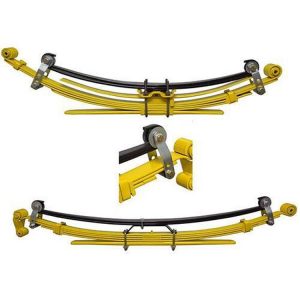
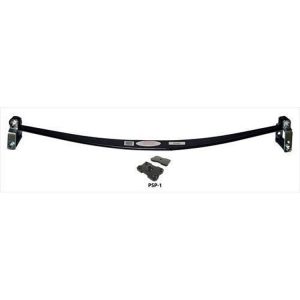
What a helper spring does
A leaf spring helper is a supplemental spring that works with the factory rear springs. It carries part of the load when you tow or haul, which reduces rear sag, keeps headlights aimed properly, and improves steering feel because the front end is not lifted by squatting. Some helpers are always engaged, while progressive designs only come into play under load.
Helpers do not raise the vehicle's rated payload or towing capacity. Always stay within the manufacturer's limits.
Types and capacity
- Add-a-leaf and elastomer styles: Fit between the existing springs or the axle and frame.
- Progressive load levelers: Multi-leaf stacks, such as 4-leaf designs, engage under heavier loads.
- Capacity ratings: Products state additional capacity, for example 1500 or 3500 pounds, but your vehicle's own limits govern.
Listings may say the helper should not be used with factory overload contact springs, so read the notes.
How to choose
Start with how you use the truck. Occasional hauling may only need a light-duty helper, while daily towing of heavy trailers may warrant a more substantial one, possibly alongside air springs or other suspension upgrades. Compare the leaf stack, whether mounting hardware is included, and the vehicle application.
Confirm fitment for your exact year, make, and model, because spring width, axle design, and frame brackets differ. Some products are vehicle specific while others are universal in design.
Installation and ride
Most helpers bolt on with a jack and hand tools, though some mounting requires drilling or removing the factory bumpstop. Support the frame on stands, torque hardware to specification, and recheck after the first drive. Because suspension affects handling, consider professional installation. Expect a slightly firmer ride when loaded, and check that the added leaves do not rub on brake lines or the exhaust.
Related upgrades and maintenance
Helper springs work best on a suspension that is in good shape. Check the factory leaf springs for broken leaves, worn bushings, loose U-bolts, and worn shocks before adding to them. Fresh shocks matched to the load help the whole system.
If you tow heavy trailers often, consider also a weight-distributing hitch, trailer brakes, and tires with the right load rating. Re-torque U-bolts after the first few hundred miles and inspect the helper for wear at the contact pads.
Several rating terms appear in this category. Added capacity describes how much more load the helper supports, while leaf count and stack describe its construction. Check the spring length against the length of your stock springs, and the width against the spring pack.
Suspension geometry also matters. Adding leaves can change the rear ride height slightly, and some helpers are designed to raise the truck a small amount when loaded. If you add a heavy camper, helpers or air springs can keep the vehicle level, but they cannot replace a proper payload rating.
Inspect the U-bolts, spring perches, and hanger brackets for rust. Replace stretched or corroded U-bolts, since they hold the axle to the spring pack. If the vehicle has a factory overload spring, read the instructions to see whether the helper works with it.
Popular Leaf Spring Helper brands
Leaf Spring Helper FAQ
Does a helper spring increase my towing capacity?
No. It improves stability and reduces sag, but the vehicle's payload and towing ratings stay the same. Never exceed the numbers on the manufacturer's label, whatever the helper's own rating.
Will helper springs make my truck ride rough?
They can feel firmer, especially when unloaded, depending on design. Progressive types only engage under load and are meant to preserve the ride when empty. Compare designs and read the maker's notes.
Are leaf spring helpers the same as air springs?
No. Helpers are mechanical springs with fixed rates, while air springs use an adjustable air bag. Air springs can be tuned for load, while helpers are simpler and need no compressor.
Can I install helper springs myself?
Often yes, with basic tools, jack stands, and a torque wrench. Some applications need drilling or removing bumpstops. If you are not confident, professional installation is a safe choice for suspension work.