
Speedometer Calibrators
Showing 13–24 of 36 resultsSorted by popularity
-
-
Speedometer Calibrators
Hypertech Speedometer Recalibration Device – 730103
- Hypertech speedometer recalibration device, part 730103, UPC 759609046536
- Covers speedometer and odometer correction for tire and rear-end gear changes
- The device does not read trouble codes and cannot be upgraded.
- Feature list and description give different tire size ranges
SKU: HYP730103 -
Speedometer Calibrators
Hypertech Speedometer Recalibration Device – 730102
- Hypertech 730102 speedometer and odometer recalibration device
- Corrects readings for non-stock tire sizes and rear gear ratio changes
- Description gives a 22.5 to 44 inch tire range
- Fitment by vehicle not listed
SKU: HYP730102 -
-
-
Speedometer Calibrators
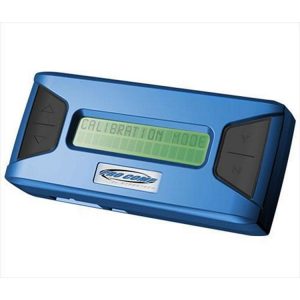
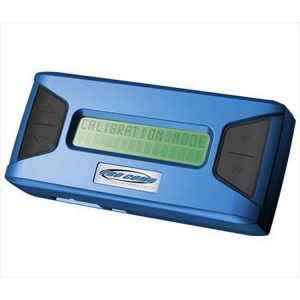
Pro Comp Accu Pro Speedometer And Odometer Calibrator – PC42005-1
- Speedometer and odometer calibrator, part number PC42005-1
- Adjusts for tire sizes from 22.5 to 44 inches and for gear changes
- Reads trouble codes
- Legal in California only for racing vehicles; CARB EO D-260-22
SKU: EXPPC42005-1 -
Speedometer Calibrators
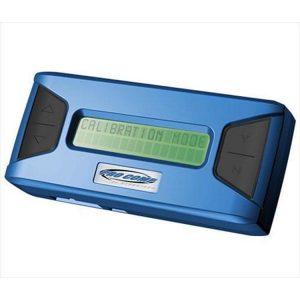
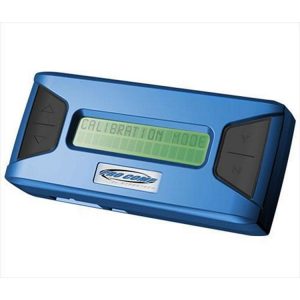
Pro Comp Accu Pro Speedometer And Odometer Calibrator – PC42003-1
- Speedometer and odometer calibrator, part number PC42003-1
- Adjusts for tire sizes from 22.5 to 44 inches and for gear changes
- Reads trouble codes
- Legal in California only for racing vehicles; CARB EO D-260-22
SKU: EXPPC42003-1 -
Speedometer Calibrators
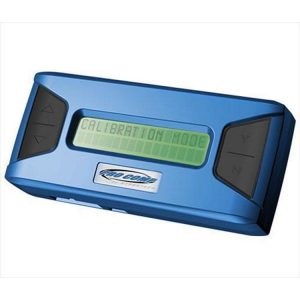
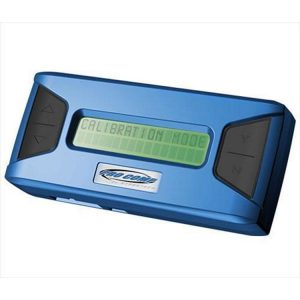
Pro Comp Accu Pro Speedometer And Odometer Calibrator – PC32010-1
- Accu Pro speedometer and odometer calibrator, part number PC32010-1
- Adjusts for tire sizes from 22.5 to 44 inches and for gear changes
- Reads trouble codes
- Legal in California only for racing vehicles; CARB EO D-260-22
SKU: EXPPC32010-1 -
-
Speedometer Calibrators
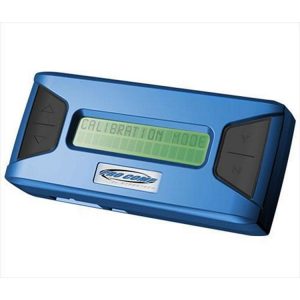
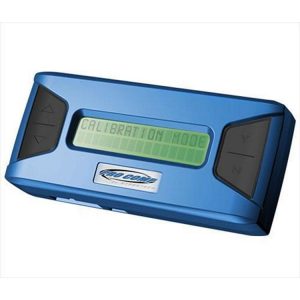
Pro Comp Accu Pro Speedometer And Odometer Calibrator – PC32000-1
- Speedometer and odometer calibrator for larger tires and gear changes
- Adjusts for tire sizes from 22.5 to 44 inches
- Reads trouble codes; part number PC32000-1
- Legal in California only for racing vehicles; CARB EO D-260-22
SKU: EXPPC32000-1 -



Why calibrate
Your speedometer and odometer count driveshaft or wheel-speed pulses and convert them using the stock tire size and axle ratio. Larger tires travel farther per revolution, so the speedometer reads low, and a numerically higher axle ratio makes it read high. That affects odometer mileage, shift points in some automatics, and the accuracy of your speed.
A calibrator reprograms the conversion so readings match actual speed again.
Types
- Inline modules plug between the vehicle's speed sensor wiring and the computer, then are set once.
- Handheld programmers connect to the diagnostic port and let you enter tire size or gear ratio.
- Extra features may include reading or clearing diagnostic trouble codes, upgrades by internet, or returning to stock settings.
Features to compare
Compare the range of tire sizes the unit supports and whether it handles gear changes, tire changes, or both. Some products adjust only for tires and say so in the specs. Check whether the unit is vehicle-specific, whether it needs a computer for setup, and whether updates are possible.
Some listings state emissions limits. Certain devices may not be sold or legal for street use in California or other states, so read the notes and check local regulations.
Setup and accuracy
Measure your actual tire diameter, ideally loaded and at normal pressure, and know your axle ratios before programming. After calibration, check accuracy against a GPS speed reading or a measured mile. Cruise control, ABS, transmission shifting, and traction control can also depend on speed signals, so confirm that the product addresses them. Confirm fitment for your exact year, make, and model.
Troubleshooting after calibration
If the speed still reads wrong after setup, recheck the tire diameter you entered and the gear ratio. Tire wear, pressure, and load change rolling diameter, so use a measured value rather than the number printed on the sidewall.
Warning lights, shifting oddities, and cruise control behavior can sometimes point to a speed signal issue, so verify these after the change. Keep a note of the original settings, and use the return-to-stock option if the product has one before servicing the vehicle at a shop.
It is worth knowing how the speed signal works. Some vehicles use a transmission output sensor, others use wheel speed sensors, and a few rely on the computer alone. A calibrator must be compatible with the way your vehicle generates and uses speed data, so check the listed application carefully.
The effect of tire size is simple geometry. A tire with a larger overall diameter covers more ground per revolution, so the speedometer reads lower than your true speed. A change from a 31-inch to a 35-inch tire is roughly a 13 percent difference, which at a displayed 60 mph is a true speed near 68 mph.
Also remember that calibrating the speedometer does not change gearing performance. Larger tires and numerically lower effective gearing still reduce acceleration and may increase transmission heat, so re-gearing is often the real remedy for big tires.
Keep your records useful. Write down the tire size, axle ratio, and the date you calibrated, so a future owner or shop knows the setup. If you change tires again, the unit needs to be reprogrammed to the new size.
Popular Speedometer Calibrators brands
Speedometer Calibrators FAQ
How do I know my speedometer is off?
Compare it with a GPS app on a steady run at a constant speed, or time a measured mile. Larger tires typically make the speedometer read slower than your real speed, so you may be driving faster than shown.
Does a calibrator fix the odometer too?
Many models adjust both speed and odometer, but not all. Look for the product to say speedometer and odometer recalibration. The odometer reading already recorded is generally not changed.
Do I need a calibrator after a gear change?
Yes, if you change axle ratios or tire diameter. The factory conversion no longer matches, so a calibrator, a dealer reprogram, or a compatible tune is needed. Check which options your vehicle supports.
Are calibrators legal everywhere?
Not always. Some listings note limits for California and other states, or restrict use to racing vehicles. Read the notes on each product and check local emissions and equipment regulations.