
Performance Parts
Showing 1465–1476 of 2123 resultsSorted by popularity
-
-
-
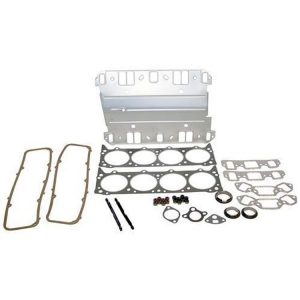
Timing Cover Gaskets
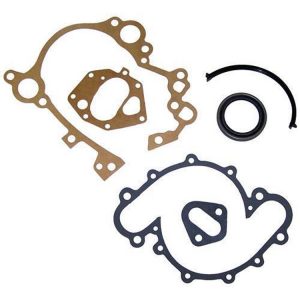
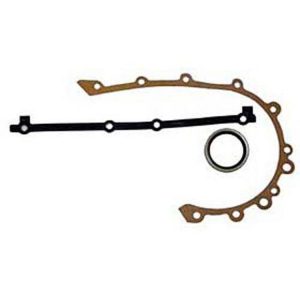
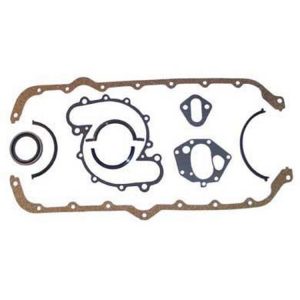
Crown Automotive Timing Cover Gasket Kit – J8129098
- Timing cover gasket kit for AMC 290-401 V8 engines
- Includes the timing cover seal and all necessary gaskets
- Gaskets for timing cover, timing chain and gear set jobs
- Fits 1971 to 1991 Jeep CJ, SJ and J-series models
- Crown Automotive part number J8129098
SKU: CROJ8129098 -
-
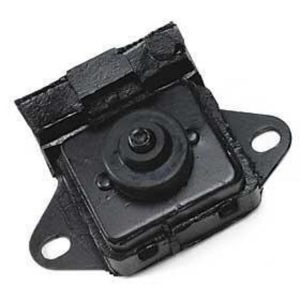
Motor Mount
Crown Automotive Engine Mount – J8128488
- Crown Automotive J8128488 engine mount for 3.8L and 4.2L engines
- Left or right side use; position recorded as Front Left
- Fits 1977–1983 CJ5, 1977–1986 CJ7, 1977–1987 J10 and 1981–1985 Scrambler
- Black rubber bushing; UPC 848399069754
SKU: CROJ8128488 -
-
-
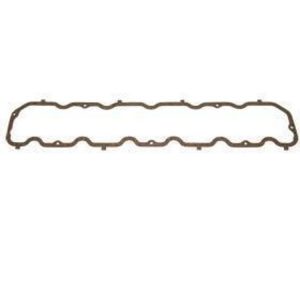
Intake Manifold Gaskets
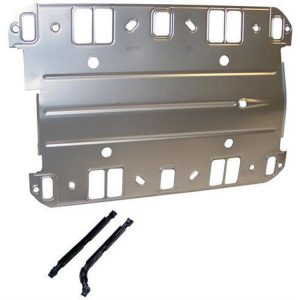
Crown Automotive Intake Manifold Valley Pan Gasket – J8125869
- Intake manifold valley pan gasket for AMC 304-401 V8 engines
- Crown Automotive part number J8125869, UPC 848399068177
- Manufacturer fitment list covers Jeep Cherokee SJ, CJ, J-series, Commando and Wagoneer models
SKU: CROJ8125869 -


What this category covers
Performance Parts is a broad grouping, and the subcategories show how wide it runs. Exhaust headers, pipes, cat-back systems and mufflers handle exhaust flow. Intake kits, air filters and throttle body spacers affect how air reaches the engine. Gauges and gauge pods monitor what the engine is doing, while spark plugs, ignition coils and plug wire parts support combustion.
Fuel system items such as replacement tanks, sending units, fuel lines and filters are here too, along with maintenance products like oil filters, serpentine belts, valve cover gaskets and additives.
Setting realistic expectations
Bolt-on parts usually deliver modest changes. A freer-flowing exhaust or intake may change sound and throttle feel more than it changes measured output, and gains depend on the engine, the tune and the rest of the system. Treat any manufacturer power claim as a figure to read in context, and be skeptical of anything that promises large gains from a single part.
For trail vehicles, low-speed torque, reliability and ground clearance often matter more than peak horsepower. A muffler that tucks up out of harm's way can be a better choice than a larger one that hangs low.
How to choose
- Match the part to the exact engine, year and model, since exhaust routing and sensor locations change between generations.
- Check whether a product is described as direct fit or requires cutting, welding or modification.
- Look at material, such as aluminized or stainless steel for exhaust parts, when corrosion resistance matters.
- Confirm emissions status. Parts that alter emissions equipment may not be legal for road use in every state, so check local regulations.
- Compare gauge face size, sender type and electrical or mechanical operation before ordering a gauge.
Installation notes
Many parts in this category are simple swaps with common hand tools, but exhaust work involves heat, rust-seized hardware and heavy components, so support the system properly and replace gaskets and clamps. Disconnect the battery before electrical or ignition work, and use the torque values from the factory service manual for spark plugs and fasteners.
Fuel system work calls for care. Relieve pressure, avoid ignition sources and consider professional installation for tanks and high-pressure lines. After changing sensors, intakes or tuning modules, watch for check engine lights and confirm everything reads normally.
Further checks and care
Confirming fitment and reading specifications
Performance parts are rarely universal. Write down the engine size, fuel type, transmission and model year, and compare them with the application list in each product description. Part numbers are the most reliable reference, since two similar-looking mufflers or modules can differ in inlet size, sensor ports or connector style. If a product mentions California or federal emissions status, read that note closely, and keep the vehicle's original parts if you may need to return to stock.
Maintenance and inspection
Performance hardware needs periodic checks. Inspect exhaust hangers, clamps and flange bolts for looseness or cracks, and look for soot trails that signal leaks. Replace air filters on the interval the maker recommends, and use the correct cleaning kit if the filter is reusable, because too much oil can contaminate airflow sensors. Watch gauge readings after any change, and investigate unusual temperatures, pressures or fuel trims promptly instead of assuming the new part is at fault.
Popular Performance Parts brands
- Crown Automotive (362)
- K&N Filter (345)
- Omix-Ada (249)
- MagnaFlow Exhaust (104)
- AIRAID (95)
- Afe Power (95)
- Flowmaster Exhaust (80)
- S&B Filters (57)
- Banks Power (51)
- Auto Meter (48)
- Borla (46)
- Lucas Oil (44)
Shop Performance Parts by type
- Exhaust Systems, Headers, Pipes and Hardware (206)
- Mufflers (86)
- Electrical (128)
- Gauges (68)
- Oil Filters (64)
- Intake Kits, Air Filter & Throttle Body Spacers (494)
- Motor Mount (49)
- Throttle Body Spacers (28)
- Performance Electronics (45)
- Replacement Fuel Tanks (30)
- Fuel Hose (34)
- Replacement Fuel Tank Sending Unit (30)
- Speedometer Calibrators (29)
- Performance Ignition Systems (31)
- Spark Plugs (13)
- Gas Caps and Filler Assemblies (21)
- Performance Modules (14)
- Gauge Pillars (18)
- Fluids, Additives and Sealants (19)
- Fuel Tank Strap (16)
- Fuel Line (14)
- Carburetors, Intake Manifolds, and Throttle Body (40)
- Valve Cover Gaskets (14)
- Serpentine Belt (13)
- Fuel and Oil Filters (23)
- Gauge Pods (13)
- Ignition Coils (10)
- Spark Plug Wire Divider (13)
- Engine Gaskets (11)
- Fuel Filter (11)
Performance Parts FAQ
Will a performance part void my vehicle warranty?
It can depend on the part and how it relates to a failure. Warranty rules vary by manufacturer and region, so read your warranty documents and ask the dealer or manufacturer before modifying a vehicle that is still covered.
Are performance exhaust and intake parts street legal?
Not always. Anything affecting catalytic converters, oxygen sensors or other emissions equipment may be restricted, and rules differ by state. Check the product notes for compliance information and verify local regulations before installing.
Do I need a tune after installing these parts?
Simple filters and cat-back exhausts often need no tune. Larger changes, such as modules, throttle body or fuel system modifications, may benefit from calibration. Follow the instructions published by the part's manufacturer for your engine.