
Mufflers control exhaust volume and tone and influence flow. This branch of the Exhaust Systems tree lists universal and direct-fit mufflers in stainless and aluminized steel from Flowmaster, Borla, MagnaFlow and Dynomax, including Delta Flow, straight-through and crate muffler designs.Compare inlet and outlet size, body type and part numbers on each page, then compare the products below.
Muffler
Showing 1–12 of 29 resultsSorted by popularity
-
Exhaust Systems, Headers, Pipes and Hardware, Muffler, Performance Parts

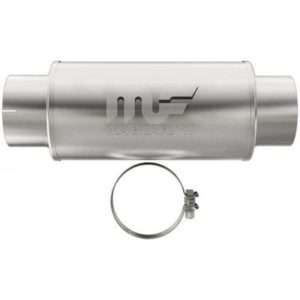
MagnaFlow Satin Stainless Steel Muffler – 12776
 Exhaust Systems, Headers, Pipes and Hardware, Muffler, Performance Parts
MagnaFlow Satin Stainless Steel Muffler – 12776
- Satin stainless steel straight-through muffler with 5 inch inlet and outlet tubes
- Centered inlet and centered outlet
- Stainless mesh wrap and acoustical fiber fill
- Universal fit; part number M/F12776
SKU: M/F12776 -
Exhaust Systems, Headers, Pipes and Hardware, Muffler, Performance Parts
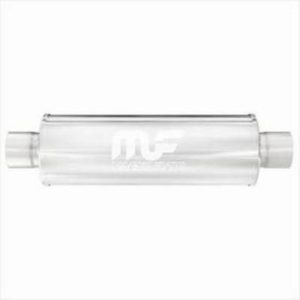
MagnaFlow Satin Stainless Steel Muffler – 12774
 Exhaust Systems, Headers, Pipes and Hardware, Muffler, Performance Parts
MagnaFlow Satin Stainless Steel Muffler – 12774
- Satin stainless steel straight-through muffler with 5 inch inlet and outlet tubes
- Centered inlet and centered outlet
- 100% stainless steel body with acoustical fiber fill
- Universal fit; part number M/F12774
SKU: M/F12774 -
Exhaust Systems, Headers, Pipes and Hardware, Muffler, Performance Parts
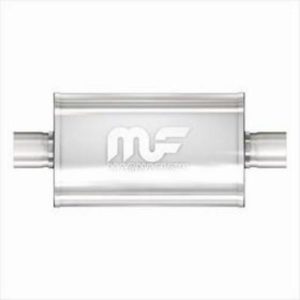
MagnaFlow Satin Stainless Steel Muffler – 12216
 Exhaust Systems, Headers, Pipes and Hardware, Muffler, Performance Parts
MagnaFlow Satin Stainless Steel Muffler – 12216
- Satin stainless steel straight-through muffler with 2.5 inch inlet and outlet tubes
- Centered inlet and centered outlet
- Stainless mesh wrap and acoustical fiber fill
- Universal fit; part number M/F12216
SKU: M/F12216 -
Exhaust Systems, Headers, Pipes and Hardware, Muffler, Performance Parts
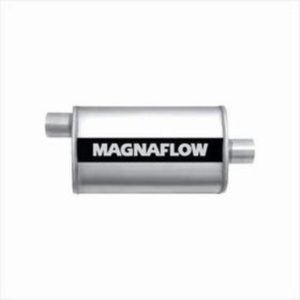
MagnaFlow Satin Stainless Steel Muffler – 11229
 Exhaust Systems, Headers, Pipes and Hardware, Muffler, Performance Parts
MagnaFlow Satin Stainless Steel Muffler – 11229
- Satin stainless steel straight-through muffler with 3 inch inlet and outlet tubes
- Offset inlet with centered outlet
- 100% stainless steel construction with acoustical fiber fill
- Universal fit; part number M/F11229
SKU: M/F11229 -
Exhaust Systems, Headers, Pipes and Hardware, Muffler, Performance Parts
MagnaFlow Satin Stainless Steel Muffler – 11214
 Exhaust Systems, Headers, Pipes and Hardware, Muffler, Performance Parts
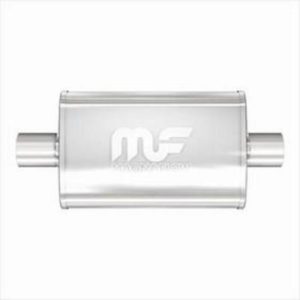
MagnaFlow Satin Stainless Steel Muffler – 11214
- Satin stainless steel straight-through muffler with 2 inch inlet and outlet tubes
- Centered inlet and centered outlet placement
- Stainless construction with mesh wrap and acoustical fiber fill
- Universal fit; part number M/F11214
SKU: M/F11214 -
Exhaust Systems, Headers, Pipes and Hardware, Muffler, Performance Parts
MagnaFlow Satin Stainless Steel Muffler – 11133
 Exhaust Systems, Headers, Pipes and Hardware, Muffler, Performance Parts
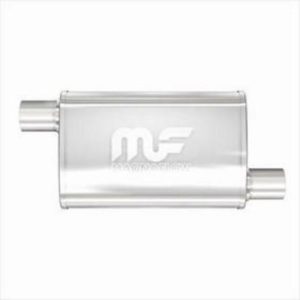
MagnaFlow Satin Stainless Steel Muffler – 11133
- Satin stainless steel straight-through muffler with 1.75 inch inlet and outlet tubes
- Offset inlet and offset outlet placement
- 100% stainless steel body with acoustical fiber fill
- Universal fit with no vehicles named; part number M/F11133
SKU: M/F11133 -
Exhaust Systems, Headers, Pipes and Hardware, Muffler, Performance Parts

Flowmaster Super 44 Delta Flow Muffler – 942546
 Exhaust Systems, Headers, Pipes and Hardware, Muffler, Performance Parts
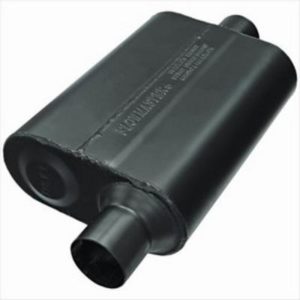
Flowmaster Super 44 Delta Flow Muffler – 942546
- Flowmaster Super 44 Delta Flow muffler, part FLW942546
- Delta Flow Technology with a black, oversize case
- Focused on higher horsepower vehicles
- Universal fit, so confirm your vehicle before ordering.
SKU: FLW942546 -
Exhaust Systems, Headers, Pipes and Hardware, Muffler, Performance Parts
Flowmaster Super 44 Delta Flow Muffler – 8430452
 Exhaust Systems, Headers, Pipes and Hardware, Muffler, Performance Parts
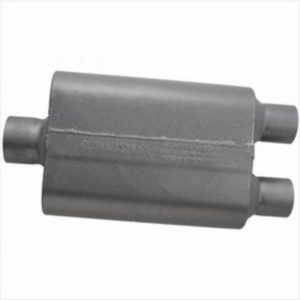
Flowmaster Super 44 Delta Flow Muffler – 8430452
- Flowmaster Super 44 Delta Flow muffler, part FLW8430452
- Delta Flow Technology with a black, oversize case
- Built for higher horsepower vehicles
- Universal fit is stated, with no year, make or model list
SKU: FLW8430452 -
Exhaust Systems, Headers, Pipes and Hardware, Muffler, Performance Parts
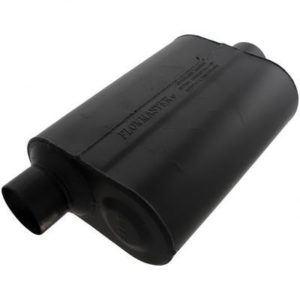
Flowmaster Super 40 Delta Flow Muffler – 953046
 Exhaust Systems, Headers, Pipes and Hardware, Muffler, Performance Parts
Flowmaster Super 40 Delta Flow Muffler – 953046
- Flowmaster Super 40 Delta Flow muffler, part FLW953046
- Delta Flow Technology with a black, oversize case
- Aimed at higher horsepower vehicles
- Universal fit, with no year, make or model fitment given
SKU: FLW953046 -
Exhaust Systems, Headers, Pipes and Hardware, Muffler, Performance Parts
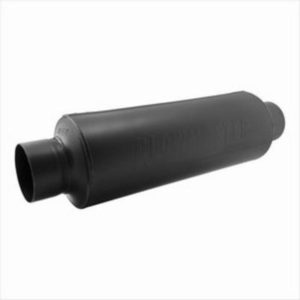
Flowmaster Pro Series Muffler – 13016100
 Exhaust Systems, Headers, Pipes and Hardware, Muffler, Performance Parts
Flowmaster Pro Series Muffler – 13016100
- Flowmaster Pro Series Muffler, part number FLW13016100
- Universal fit, not tied to a specific vehicle
- Chambered stainless steel muffler
- 3 inch inlet and 3 inch outlet, both centered
SKU: FLW13016100 -
Exhaust Systems, Headers, Pipes and Hardware, Muffler, Performance Parts
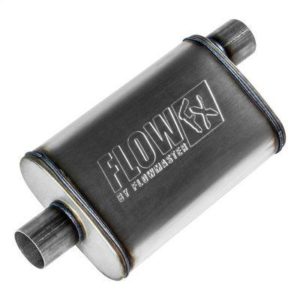
Flowmaster FlowFX Series Muffler (Brushed Finish) – 71226
 Exhaust Systems, Headers, Pipes and Hardware, Muffler, Performance Parts
Flowmaster FlowFX Series Muffler (Brushed Finish) – 71226
- Universal fit straight through muffler with 2.5 inch inlet and outlet
- Offset inlet and centered outlet
- 409S stainless steel case with brushed finish
- Moderate performance tone, not a chambered sound
- Part number FLW71226
SKU: FLW71226 -
Exhaust Systems, Headers, Pipes and Hardware, Muffler, Performance Parts
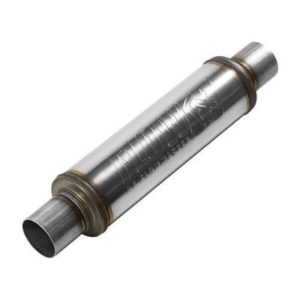
Flowmaster FlowFX Series 2.50″ In/Out Stainless Steel Muffler – 71416
 Exhaust Systems, Headers, Pipes and Hardware, Muffler, Performance Parts
Flowmaster FlowFX Series 2.50″ In/Out Stainless Steel Muffler – 71416
- Flowmaster FlowFX Series muffler, part number FLW71416, straight-through type
- 2.5 Inches inlet and outlet, centered locations, 409S stainless steel case
- Sold for universal fit, so confirm vehicle match before buying
SKU: FLW71416
What a muffler does
A muffler reduces exhaust noise by routing gases through chambers, baffles or perforated cores. Each design trades sound level against flow and tone. A muffler that is too restrictive hurts performance, while one that is too open can drone at highway speed or bring unwanted noise.
This category covers both universal mufflers you weld or clamp in and direct-fit designs made for a specific vehicle.
Muffler designs
The main styles you will see:
- Straight-through mufflers, like the MagnaFlow stainless models here, use a perforated core wrapped in packing for free flow and a deeper tone.
- Chambered or baffled mufflers, such as Flowmaster's Super 40 and 50 series, use internal chambers for a classic, louder note and moderate flow.
- Delta Flow designs use a shaped inlet to direct gas into the chambers.
- Crate and race mufflers aim at a specific sound or application.
Series names often signal loudness, but ratings are subjective, so read the manufacturer's description.
Specifications to compare
The details that matter most:
- Inlet and outlet diameter, such as 2.5, 3 or 5 inches. These should match your exhaust pipe.
- Inlet and outlet location: centered, offset or dual, which decides how the muffler sits under the vehicle.
- Body shape and length for the available space.
- Material: stainless steel resists rust better than aluminized steel, especially in wet or salty climates.
Fitment, sound and installation
Confirm fitment for your exact year, make, model, engine and existing exhaust, and check the manufacturer's specifications. On a 4x4, ground clearance matters, because a low or wide muffler can hit rocks, so tuck it up or use a skid.
Installation usually means cutting and clamping or welding, so a muffler shop is often the practical route. Always support the exhaust, use quality hangers and keep heat away from fuel lines and wiring. Noise limits and emissions rules vary by state and locality, and removing or altering emissions equipment is regulated, so check local regulations before choosing a louder muffler.
If you cannot decide between styles, think about where you drive. Long highway trips favor a quieter, chambered or ceramic-packed design, while a trail rig may benefit from a free-flowing straight-through muffler tucked tight against the frame.
Maintenance and mistakes to avoid
Mufflers last longer when the exhaust is mounted properly and the engine is running well. Inspect hangers, rubber isolators and clamps whenever you change oil, and listen for rattles that signal a loose baffle or a failing weld. Water collects inside the muffler on short trips, so a drive of at least 15 or 20 minutes now and then helps dry it out.
- Check that the muffler and pipes keep a safe distance from fuel lines, brake lines, wiring and the floor.
- Use new gaskets and clamps on slip joints, and check for leaks with the engine running by holding a rag near the joints, with care to avoid burns.
- Do not choose a muffler based on sound clips alone, since the cabin and the tire noise change what you hear.
- Allow for heat shields on trucks that carry gear in the bed or have plastic parts nearby.
Popular Muffler brands
Muffler FAQ
What is the difference between straight-through and chambered mufflers?
Straight-through mufflers have a nearly open core for high flow and a smoother tone. Chambered designs route gas through baffles for a traditional louder sound, often with a bit more restriction.
Will a new muffler add horsepower?
It can help if the original is restrictive, but gains are usually modest and depend on the rest of the exhaust and engine. Sound changes are more noticeable than power changes.
What size muffler do I need?
Match the inlet and outlet to your exhaust pipe diameter, then check the body size for the space under your vehicle. Different engines suit different pipe sizes, so follow the manufacturer's guidance.
Is stainless steel worth it?
Stainless resists rust and lasts longer in wet or salty areas. It generally costs more than aluminized steel, so weigh that against how long you plan to keep the vehicle.