
Work Lamp
Showing 13–20 of 20 resultsSorted by popularity
-
-
-
Work Lamp
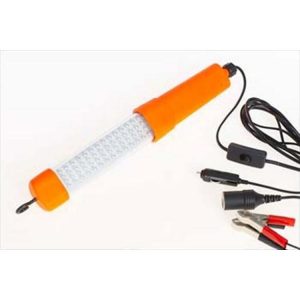
ARB LED Adventure Light – 10500010
- ARB LED Adventure Light, part number 10500010, a 12-volt utility light
- Draws about 1 amp with a rated LED life expectancy of 50,000 hours
- Powers from a 12-volt cigarette lighter socket or a portable battery pack
- Universal Fit, not tied to a specific vehicle
SKU: ARB10500010 -
-






What a work lamp is for
A work lamp is built to light a nearby area, not to project far down the road. Typical uses include lighting the bed of a truck, the area behind a vehicle while reversing, a trailer hitch, a campsite, a tool area or the ground beside a recovery. Most use a wide flood beam, which is the opposite of a long-reaching spot.
Types in this category
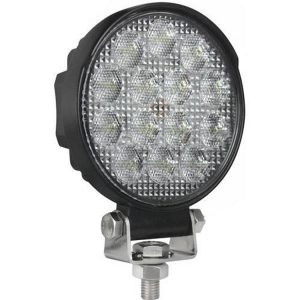
- Square and round LED work lights: sealed, vehicle-mounted lights such as 4 inch units, common from Vision X Lighting and Hella. These usually need to be wired in.
- Compact rectangular lights: smaller units for tight spaces.
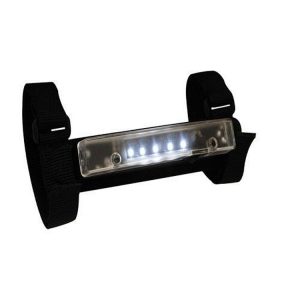
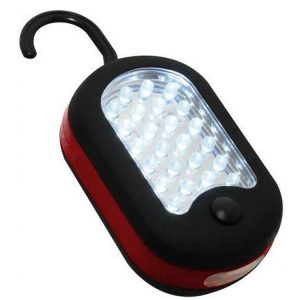
- Portable utility lights: magnetic, clip-on or roll bar lights that run on batteries, such as Rampage's lights that use AAA batteries or an Anzo rechargeable unit.
- Swivel and adventure lights: units that tilt and aim for camp or work tasks.
Specs to compare
- Beam pattern: wide or flood for area lighting, and narrow for more reach. Product titles often say wide beam or narrow beam.
- Output and power: lumens and wattage give a rough idea of brightness. One listing here notes 25 watts and 2000 lumens.
- Voltage: multivolt units accept both 12 V and 24 V systems, while battery lights run independently.
- Housing and sealing: aluminum bodies and sealed lenses hold up to dirt, vibration and washdowns.
- Mounting: bolt-on brackets, magnets, clips or hooks.
- Color: white is typical, and some are amber or blue for specialty uses.
Wiring and installation
Hardwired work lights should use a fused circuit, appropriately sized wire and a switch within reach. Reverse-light work lamps are often wired to the reverse lamp circuit so they come on automatically, but follow the maker's instructions and use a relay where the load requires. Seal wire entry points against moisture and keep the lamp aimed at the work area, so it does not shine into traffic or other drivers' eyes.
Legal and fitment notes
Rules about using auxiliary or work lights on public roads vary by state, and many jurisdictions limit them to off-road or stopped use. Check local regulations. Confirm size, voltage and mounting details on the product page, and compare the products below.
Placement ideas
Think about where you need light before choosing a lamp. Rear-facing lamps on a rack or bumper light the area behind the vehicle for hitching and loading. Side-facing lamps help at camp and when changing a tire. Roll bar and cab-mounted lamps give a general work area, while a portable magnetic light can be moved under the hood for repairs.
Choose a flood pattern when you want an even wash, and avoid aiming lamps in a way that shines back at the windshield, which causes glare. Keep spare fuses and a basic repair kit handy for wiring problems.
Battery and charging considerations apply to portable units. Rechargeable lights should be topped off before trips, and units that use disposable batteries are worth keeping stocked with spares. For vehicle-mounted lamps, check the combined draw of everything on the circuit, and use a switch panel or relay block when you plan to add more lighting later.
Popular Work Lamp brands
Work Lamp FAQ
What is the difference between a work light and a driving light?
A work lamp lights a nearby area with a wide beam, while a driving light projects a narrower beam far down the road. Work lights suit camps, hitches and cargo areas rather than high-speed driving.
Can I use a work light as a reverse light?
Many people do, wiring a flood-style work lamp to the reverse circuit. Use proper wiring and a relay if needed, and check local rules on lighting while the vehicle is moving.
Do I need a relay for a work lamp?
It depends on the load. Low-power LED lamps may be fine on a fused circuit, but higher-draw lights benefit from a relay to protect the switch. Follow the manufacturer's wiring instructions.
Are portable utility lights worth it?
They are handy when you need light anywhere, since magnetic and clip-on units can be moved around the vehicle. They depend on batteries or a charge, so they suit short tasks more than long, bright use.