
Replacement Headlights, Tail Lights & Bulbs
Showing 169–180 of 211 resultsSorted by popularity


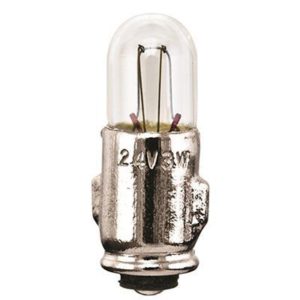



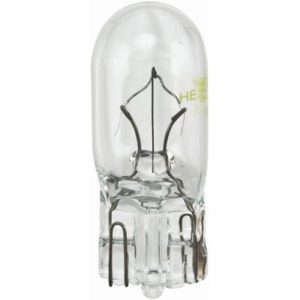
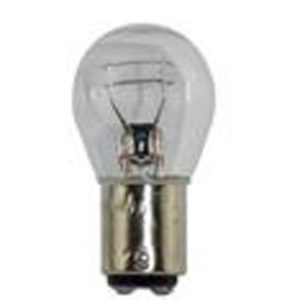
Types of lighting parts here
The category spans complete assemblies and individual bulbs. Assemblies include sealed or projector headlights, round 7-inch units, LED and halogen tail lights, third brake lights and side or roof markers. Bulbs range from basic incandescent types to halogen, xenon-style halogen and LED replacements. Mounting rings, harnesses and housings for round lamps appear as well.
Choosing a bulb or conversion kit
Start with the bulb base type, such as H7, H11, 9006 or 9012, listed in your owner's manual or on the existing bulb. A wrong base will not seat or lock correctly. LED conversions need more care than direct halogen swaps. A halogen housing has a reflector designed around a filament, so an LED with a poor beam pattern can scatter glare toward oncoming drivers. Projector housings usually control an LED more predictably than reflector housings.
- Look for CAN bus compatibility or resistors if the vehicle flags bulb-out warnings.
- Check that the LED driver or heat sink fits behind the housing.
- Confirm the color temperature, since very blue light often reduces useful output in rain and fog.
Tail lights and brake lights
LED tail lights respond faster than filament bulbs and can use less power. Direct-fit sets plug into the factory connector, while universal units such as heated stop, tail and turn lights usually need a wiring harness. Verify lens color and the legal required functions on your vehicle, including stop, turn, tail and reverse.
Installation and aiming
Many bulb swaps are simple, but assemblies can require removing a grille or bumper cover. Disconnect the battery for wiring work, avoid touching halogen glass with bare fingers, and seal housings correctly to prevent moisture. After installing new headlights, re-aim them so the beam cutoff is correct. Lighting equipment rules, color restrictions and DOT or SAE marking requirements vary by state, so check local regulations. Confirm fitment for your exact year, make and model.
Before buying, compare housing style, lens color, bulb base and connector type across the listings. Keep the old assemblies until the new lights are confirmed working, and check that both sides match in color and brightness after a few weeks of use, since mixed ages of bulbs can look uneven.
Common mistakes to avoid
One mistake is buying a bulb by color alone. Two bulbs with the same base can have different wattage and heat output, and a high-wattage replacement can melt a connector or housing designed for lower power. Another is skipping the aim adjustment, which leaves new lights pointing too high or too low. Check aim against a wall at a measured distance, with the vehicle parked on level ground and at normal load.
Moisture is a frequent failure cause. Leave vent caps open and reseal the back of a housing carefully, and replace worn gaskets rather than reusing them. Put a thin layer of dielectric grease on connectors to resist corrosion, which also helps tail light sockets that have turned green. If a light flickers, check the ground connection before replacing the unit.
Finally, keep in mind that headlights lose clarity with age. A cloudy lens may only need polishing and a UV sealant, not replacement.
Popular Replacement Headlights, Tail Lights & Bulbs brands
- Hella (46)
- Oracle Lighting (39)
- Spyder Auto Group (37)
- Anzo (23)
- Putco (17)
- Recon (16)
- JW Speaker (14)
- Morimoto (6)
- DV8 Offroad (2)
- In Pro Carwear (2)
- ARB 4x4 Accessories (2)
- KC HiLites (1)
Shop Replacement Headlights, Tail Lights & Bulbs by type
Replacement Headlights, Tail Lights & Bulbs FAQ
How do I find my headlight bulb size?
Check the owner's manual, look for the number stamped on the base of the existing bulb, or consult the manufacturer's specifications for your year, make and model. High and low beams may use different bulb types.
Can I put LED bulbs in halogen headlights?
Many people do, but results vary. Halogen reflectors are designed for a filament, so some LED bulbs create glare and a poor beam pattern. Projector housings generally work better, and the beam should be re-aimed after installation.
Why does my vehicle show a bulb-out warning with LEDs?
LEDs draw less current than incandescent bulbs, so the vehicle's monitoring may read a fault. Load resistors or CAN bus compatible bulbs are the usual fix, depending on your vehicle.
Are replacement tail lights legal?
Rules differ by state. Generally lights need the correct colors, brightness and functions and often DOT or SAE markings. Check your local regulations before replacing factory lights with aftermarket designs.