
Coil Spring Spacer
Showing 13–24 of 61 resultsSorted by popularity
-
Coil Spring Spacer
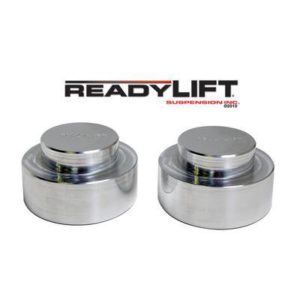
ReadyLift 2″ Rear Spacer Kit – 26-1920
- 2 inch rear spacer kit for 2014–2021 Ram 2500 4WD
- Rear-only lift for trucks that need more rear height
- Fits Big Horn, Laramie, Limited, Power Wagon, SLT, Tradesman and other trims
- Engineered for correct pinion angle and factory bump stop distance
- Part of ReadyLift’s expanded rear block and spacer line
SKU: RDY26-1920 -
-
-
-
-
Coil Spring Spacer
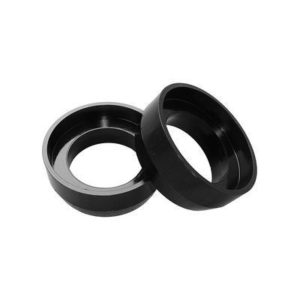
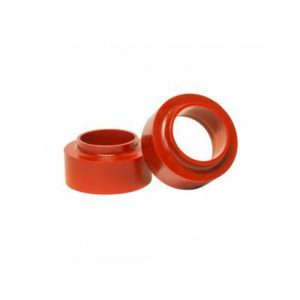
Low Range Offroad 2″ Coil Spacers (Red) – KSP-CS2
- 2 inch red coil spacers made from UHMW polyethylene
- Sold as a pair
- Fits 1989–1997 Geo Tracker, 1998 Chevrolet Tracker and 1989–1998 Suzuki Sidekick models
- Will not rust or squeak like steel spacers, per the manufacturer
- Made specifically for these vehicles, not modified from another vehicle
SKU: LROKSP-CS2 -
Coil Spring Spacer
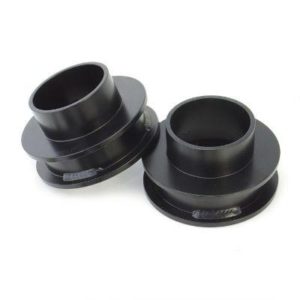
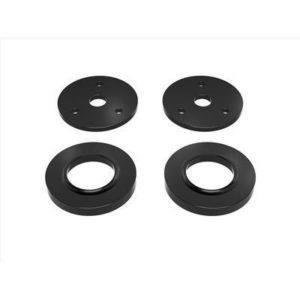
ICON Vehicle Dynamics Ram TRX Coilover Spacer Kit – IVD2122
- Modular coilover spacer for 2021–2026 Ram 1500 TRX and TRX Launch Edition
- Increases ride height by an adjustable amount up to 2.125 inch
- No shock disassembly needed for installation
- CNC machined aluminum with an anodized black finish
- Keeps the active damping system working.
SKU: ICOIVD2122 -
-
-
Coil Spring Spacer
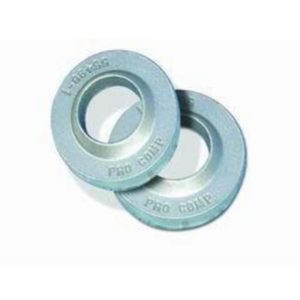
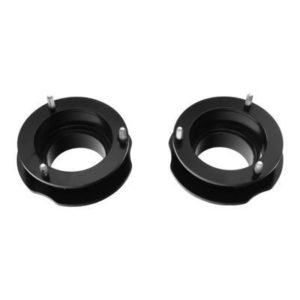
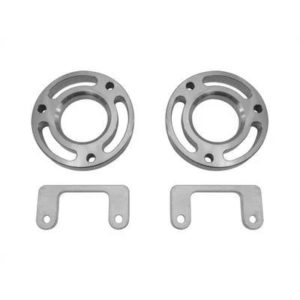
Icon Vehicle Dynamics 2.25″ Billet Spacer Kit – IVD1100B
- 2.25 inch front lift from aluminum strut spacers
- Fits 2002–2006 Avalanche 1500 and 2007–2018 Silverado and Sierra 1500
- Fits 2007–2013 Tahoe, Suburban 1500, Yukon and Yukon XL 1500
- Unfinished aluminum, front lift only
- Shock relocation bracket not applicable
SKU: ICOIVD1100B -







How spacers work
A coil spring spacer is a ring or block, made of polyurethane, aluminum or steel, that sits between the spring and its mounting seat. By raising the spring's seat it increases the vehicle's ride height by the thickness of the spacer. They are often used to level a truck whose nose sits lower than the rear, or to add a modest amount of lift to a Jeep or SUV with coil springs.
What spacers do not change
A spacer does not change the spring rate or the shock length. The spring still has the same travel and the shock stays the same, so a large spacer can leave the shock near the end of its stroke, which can cause the shock to top out, and can raise the suspension geometry in ways that affect alignment and the angle of the axle and driveshaft. For lifts above roughly two inches, many manufacturers add longer shocks, extended brake lines or other parts to the kit, and some listings here include front shock extensions.
Choosing a spacer
- Height: select the amount needed for the leveling you want, and avoid going beyond the manufacturer's recommendation.
- Material: polyurethane is quiet and corrosion-free, while billet aluminum and steel are stiff and durable.
- Application: some are made for coil-sprung truck fronts such as heavy-duty pickups, others for Jeeps or for correcting sag with aftermarket springs.
- Included parts: look for new hardware, extensions or brackets as needed.
Installation notes
Installation requires compressing the coil spring, which stores a great deal of energy, so use a proper spring compressor or have a shop do it. Torque suspension fasteners at ride height where the manufacturer specifies it. After installation, the vehicle needs an alignment, and headlights should be re-aimed because the vehicle sits higher.
Checking fitment
Confirm the spacer matches your year, make, model and trim, and that it suits your spring type and any aftermarket suspension. Tire size, wheel well clearance and state regulations on vehicle height vary, so check your local rules.
Consider the effects on the rest of the suspension before committing to a larger spacer. Increasing ride height changes the driveshaft angle, the track bar angle on solid-axle vehicles, the brake line slack and the headlight aim. A small spacer is usually fine with stock components, but a larger one can reveal limits that should be addressed with additional parts. Check the brake lines and sway bar links for slack, and inspect the shock bodies and bump stops to see whether they still work at the new height.
It is also worth checking whether your springs are worn. A sagging coil should be replaced, because a spacer on a tired spring simply raises a weak component. If the vehicle carries a heavy load, such as a camper, a winch or a plow, a spacer does not add support, so heavier springs may be the better answer. Re-torque the suspension hardware after a few hundred miles, and recheck ride height after the springs settle. Measure the height from the center of the wheel to the fender lip before and after, which gives a clear record of the real change.
Popular Coil Spring Spacer brands
- Rubicon Express (11)
- ICON Vehicle Dynamics (6)
- Fabtech (6)
- TeraFlex (5)
- California Super Trucks (4)
- Rancho (4)
- Skyjacker (4)
- Daystar (3)
- ReadyLift (3)
- Rugged Ridge (3)
- RT Off-Road (3)
- ARB 4x4 Accessories (3)
Coil Spring Spacer FAQ
Do coil spring spacers hurt the ride?
A spacer by itself does not change spring rate, so ride quality is often similar. Large spacers can reduce shock travel and cause topping out. Follow the height guidance of the kit and use extended shocks if recommended.
Do I need an alignment after installing spacers?
Yes. Raising the suspension changes alignment angles, and wear and handling suffer without a correction. Schedule an alignment after the install and re-aim the headlights.
Is a spacer lift the same as a full lift kit?
No. A spacer raises ride height only, while a full kit may include new springs, shocks, control arms and brake lines to maintain geometry and travel. Spacers are a simpler and smaller change.
Can I install coil spacers myself?
Many do, but compressing coil springs is dangerous without the right tool. Use a quality spring compressor, follow the manufacturer's instructions and consider a professional for the job.