
Carpet Kits & Sound Deadening
Showing 13–22 of 22 resultsSorted by popularity
-
Carpet Kit
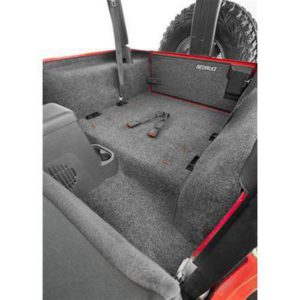
BedRug Premium Rear Floor Liner (Charcoal) – BRTJ97R
- Fits 1997–2006 Jeep Wrangler TJ and 2004–2006 Jeep Wrangler LJ rear floors
- Four-piece rear floor liner: driver wheel well, passenger wheel well, rear cargo floor and tailgate
- Part number BEDBRTJ97R, charcoal, rear position
- Waterproof, UV resistant and fade resistant polypropylene fibers
- Quick install and removal without taking out seats or the center console
- 3-year warranty
SKU: BEDBRTJ97R -
Carpet Kit
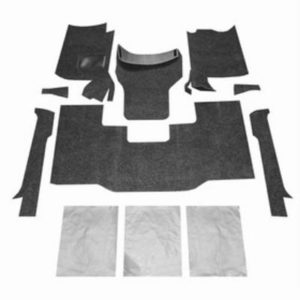
BedRug Premium Front Floor Liner Kit with Heat Shields (Charcoal) – BRCYJ76F
- Fits 1976–1986 Jeep CJ7 and 1987–1995 Jeep Wrangler YJ
- Front floor liner kit with heat shields, charcoal
- Part number BEDBRCYJ76F, direct fit, front position
- 100% polypropylene carpet-like fibers that are waterproof, UV resistant and fade resistant
- Installs without removing seat brackets or the center console
- 3-year warranty
SKU: BEDBRCYJ76F -
Carpet Kit
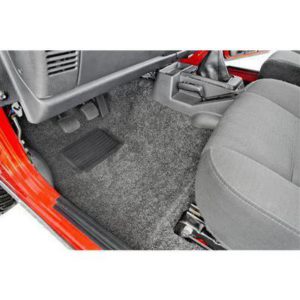
BedRug Premium Front Floor Liner (Charcoal) – BRTJ97F
- Fits 1997–2006 Jeep Wrangler TJ and 2004–2006 Jeep Wrangler LJ front footwells
- Three pieces: driver footwell, passenger footwell and rear seat footwell, plus heat shields
- Part number BEDBRTJ97F, charcoal carpet-look polypropylene
- Waterproof, UV resistant and fade resistant, with foam backing that will not mold or mildew
- Installs without removing seat brackets or the center console
- 3-year warranty; made in the U.S.A.
SKU: BEDBRTJ97F -
-
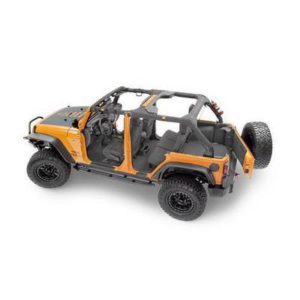
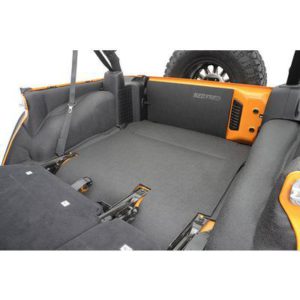
Carpet Kit
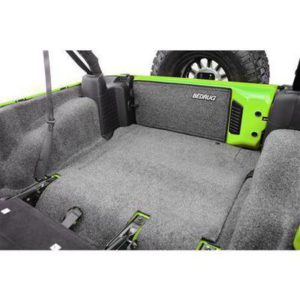
BedRug BedTred Premium Rear Floor Liner (Charcoal) – BTJK11R4
- Fits 2011–2018 Jeep Wrangler JK Unlimited four-door models and the 2018 Jeep Wrangler JL Unlimited Moab
- Rear floor liner, Charcoal, part number BEDBTJK11R4
- Five pieces covering both wheel wells, the rear cargo floor, tub and tailgate
- Waterproof, UV resistant BedTred surface with hook and loop mounting
- 3 year warranty
SKU: BEDBTJK11R4 -
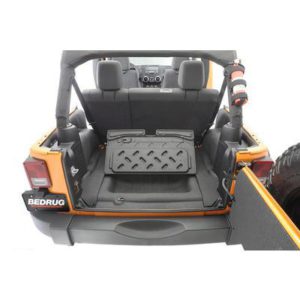
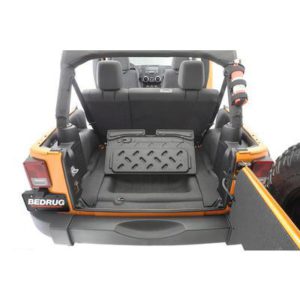
Carpet Kit
BedRug BedTred Premium Rear Floor Liner (Charcoal) – BTJK07R4
- Fits 2007–2010 Jeep Wrangler JK Unlimited four-door models (Rubicon, Sahara, Sport and X trims) per the manufacturer fitment list
- Rear floor liner, Charcoal, part number BEDBTJK07R4
- Five pieces: drivers and passengers wheel well liners, rear cargo floor, tub liner and tailgate
- Hook and loop installation that is not permanent
- 3 year warranty
SKU: BEDBTJK07R4 -


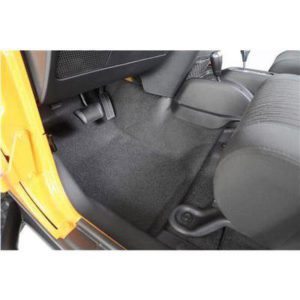
Why replace or add floor covering
Trail vehicles take a beating: water, mud, sun, and constant boot traffic wear down factory carpet, and rust or mildew can follow wet floors. A replacement carpet kit restores the interior, and a liner adds protection that stands up to moisture. Sound deadening and insulation are a separate upgrade that reduces road noise, heat, and vibration, which can be significant in vehicles with soft tops or thin floor panels.
Carpet kits and liners
- Replacement carpet: molded or cut pieces in colors such as black, gray, or sand, in full floor or front and rear sets.
- Floor kits: padded liners that cover the front footwells and are made to fit model-specific floor shapes.
- Rear and cargo kits: liners for the rear seat area and cargo space, sometimes with a floor and wheel well components.
- Floor shifter cutouts: check whether the kit provides openings for your transmission and transfer case levers.
Sound deadening
Sound deadening material adds mass and damping to panels so they vibrate less. It is typically applied under the carpet, on the floor, doors, and firewall. Look for material that is rated for heat, and for adhesive backing that sticks well to clean metal. Heavy material gives the best results but adds weight, so balance noise reduction with the vehicle's weight limits. Insulation can also help the cabin stay cooler, particularly on exhaust runs.
Fitting tips
Make sure the vehicle's floor is clean, dry, and free of rust before installing anything new, because trapped moisture will lead to corrosion. Repair any rust and apply a rust inhibitor. Take seats, consoles, and trim off, and test fit the carpet before trimming or using adhesive. In vehicles that are washed out or often wet, drain plugs must stay accessible, so choose materials that dry out and do not hold water. Use the supplied hardware and check that nothing interferes with the pedals, since a loose liner under the pedals is a safety hazard.
Always confirm fitment for your exact year, make, model, and body style, including doors and seating layout, with the manufacturer's specifications. Check whether the kit covers only the front footwells or the rear seat and cargo area as well.
Preparation and care
Do the prep work before the carpet goes in. Remove the old carpet and padding completely, since old padding holds water and odor. Check the floor pans and seat mounts for rust, treat it, and let everything dry fully. Cut and trim slowly, because removing material is easier than adding it back. After installation, vacuum rather than soaking the carpet, and use mats or liners in high-wear areas such as the driver footwell. For liners, rinse and let them dry before putting them back, and check that the drain plugs still work. Mildew smell is a sign of trapped moisture, so lift a corner and check underneath if you notice it after wet weather.
Allow adhesive and trim pieces to cure fully as directed before the first wet drive, and keep a few spare clips and fasteners handy, because the small plastic retainers around seats and sills often crack during removal.
Popular Carpet Kits & Sound Deadening brands
Shop Carpet Kits & Sound Deadening by type
- Carpet Kit (20)
- Sound Deadening (2)
Carpet Kits & Sound Deadening FAQ
Do carpet kits come pre-cut for specific vehicles?
Most are made to fit a model and year range, with cutouts for the seats, shifter, and mounting points. Check the listing for your body style and confirm that the kit covers the areas you want.
Is sound deadening worth it in a Jeep?
It can reduce road noise, drone, and heat, particularly with a hardtop, though a soft top will still be loud. Results vary by material and coverage, and the added weight is modest.
How do I stop a new carpet from trapping moisture?
Start with a clean, dry floor and treat any rust. Use materials that dry quickly or are water-resistant, keep drain plugs open, and let the interior dry after wet trips so mildew does not form.
Should floor liners go under the pedals?
They must never interfere with the pedals. Make sure the liner is cut and secured so it cannot slide or bunch under them, and check pedal travel after installation.