
Bumpers and Grille Guards
Showing 841–852 of 988 resultsSorted by popularity
-
Front Bumpers
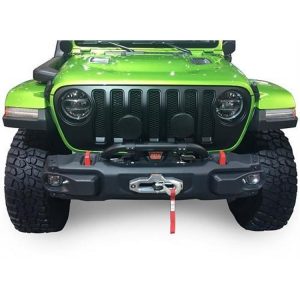
Poison Spyder Brawler Lite Front Bumper with Shackle Tabs (Bare)- 17-59-010-D
- Poison Spyder Brawler Lite front bumper for Jeep Wrangler JK, part 17-59-010-D
- 3/16-inch bare plate steel with integrated winch mount
- Welded shackle tabs for 3/4-inch recovery shackles
- Recessed buckets for the factory fog lamps
SKU: PSC17-59-010-D -
-
Rear Bumpers

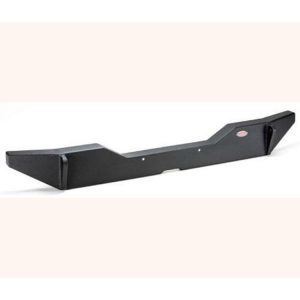
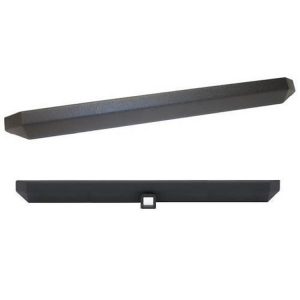
Body Armor JK Wrangler Steel Plate Rear Base Bumper in Textured Black (Black) – JK-2961
 Rear Bumpers
Body Armor JK Wrangler Steel Plate Rear Base Bumper in Textured Black (Black) – JK-2961
- Body Armor 4×4 steel plate rear base bumper for the JK Wrangler, part JK-2961
- Fits 2007-2018 Jeep Wrangler JK (2 and 4-door models)
- 3/16 inch steel plate with gusseted mounting plates
- Double shackles for recovery points
- Notched to retain the factory trailer hitch
SKU: B/AJK-2961 -
-
Rear Bumpers

Poison Spyder Brawler Full Width Rear Bumper with Shackle Tabs and Light Provisions (Bare) – 17-62-040-DL
 Rear Bumpers
Poison Spyder Brawler Full Width Rear Bumper with Shackle Tabs and Light Provisions (Bare) – 17-62-040-DL
- Full width JK rear bumper, bare 3/16″ steel
- Reaches the outer edge of the stock flares
- Recessed LED pod light mounts and shackle tabs
- Integrated high clearance hitch receiver
SKU: PSC17-62-040-DL -
Front Bumpers
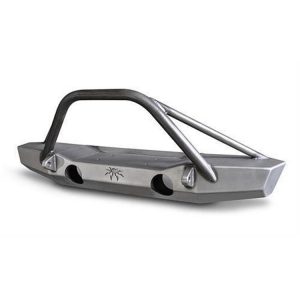
Poison Spyder Brawler Lite Front Midwidth Bumper with Brawler Bar and Tube Gussets (Bare) – 17-63-010-DBT
 Front Bumpers
Poison Spyder Brawler Lite Front Midwidth Bumper with Brawler Bar and Tube Gussets (Bare) – 17-63-010-DBT
- Poison Spyder Brawler Lite mid-width front bumper for Jeep Wrangler JK, part 17-63-010-DBT
- 3/16-inch plate steel, bare, with integrated winch mount and shackle tabs
- Recessed buckets for factory fog lamps
- Needs paint or powder coat before final installation
SKU: PSC17-63-010-DBT -
Front Bumpers
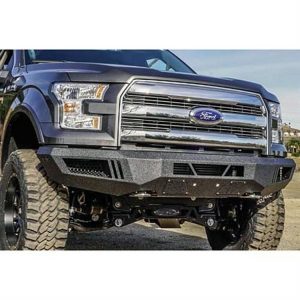
Body Armor Front Bumper (Black) – FD-19336
- Body Armor 4×4 ECO-Series front bumper, part FD-19336
- 3 mm steel plate, textured black powder coat, 79 lb
- Pockets for intercooler airflow and multiple light mounting points
- Bolt-on; no drilling, cutting or welding; lights sold separately
SKU: B/AFD-19336 -
Front Bumpers
Smittybilt 3 Inch Front Tube Bumper with Hoop (Black) – JB48-F
- Smittybilt 3 inch front tube bumper with hoop, part number JB48-F
- No-drill installation with two center light tabs included
- Winch mount and D-ring mount are not included
- Fits 2- and 4-door Jeep models; confirm the years before ordering
SKU: S/BJB48-F -
Front Bumpers
Smittybilt Classic Rock Crawler Front and Rear Bumper PAK (Black) – CLBUMPKG
- Smittybilt Classic Rock Crawler front and rear bumper set, part CLBUMPKG
- 1/4-inch steel plate with zinc undercoating and textured black powder coat
- Rear bumper has a 2-inch Class III receiver hitch
- Bolts directly to the vehicle; winch and light mounts not included
SKU: S/BCLBUMPKG -
Front Bumpers

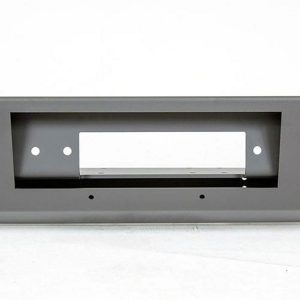
Warn Elite Series Winch Mount Front Bumper with Light and D-ringMounts (Black) – 87775
 Front Bumpers
Warn Elite Series Winch Mount Front Bumper with Light and D-ringMounts (Black) – 87775
- Warn Elite Series front bumper, part 87775, with recessed winch mount
- 3/16-inch steel plate, black powder coated wrinkle finish
- Recessed light ports, jack points and D-shackle eyelets
- Grille guard not included; made for 2 and 4-door models
SKU: WAR87775




What bumpers and guards do
A stock bumper is mostly a cosmetic and low-speed impact piece. Aftermarket bumpers are heavier and often made from steel or aluminum, adding protection, recovery points and mounting space for accessories. Grille guards protect the front end from brush and animal strikes without replacing the whole bumper.
Types of products
- Front bumpers: Full replacements, available with or without a winch mount, and sometimes with light pockets or a bull bar.
- Rear bumpers: Replacements with tire carriers, hitch receivers and recovery points.
- Grille guards: Frames mounted over the front fascia to shield the grille and hood.
- Headlight guards: Cages or brackets that protect lights from rocks and branches.
- Hood bumpers: Small guards over the hood edge.
Choosing between styles
Think about how the vehicle is used. A work truck near wildlife may want a full-width guard. A rock crawler wants a high-clearance, tucked design with good approach angles. A vehicle with a winch needs a bumper with a winch plate rated for its size. Shorter, stubby bumpers improve approach angle but give less coverage.
What to compare
- Material and thickness: steel adds protection and weight, aluminum saves weight.
- Winch compatibility, mount size and any required fairlead.
- Weight, which affects front suspension, springs and ride height.
- Recovery points, and whether they are rated.
- Compatibility with parking sensors, front cameras, radar and airbags.
- Finish: raw steel, powder coat or textured paint.
Installation notes
Bumpers can be heavy, and a helper or a lift is useful. Some bolt to factory points and others require trimming, drilling or relocating components. Front bumpers add weight that may need heavier springs to maintain ride height. Wiring for winches and lights needs proper fusing and connectors. Torque all bolts to the maker's specifications and recheck after trail use. Because bumpers interact with airbags, sensors and crush structures, professional installation is recommended in many cases, and you should read the manufacturer's notes about driver-assist features.
Fitment and legality
Confirm fitment for your exact year, make, model and trim, and check the manufacturer's specifications. Bumper height, width and lighting rules vary by state, so check local regulations.
Matching a bumper to your build
Decide the role of the bumper first: protection, recovery, winching, lighting or looks. Then check the weight limit of your front springs and the winch's size. Heavier bumpers may need stiffer springs or a leveling adjustment. Approach and departure angles matter off-road, so look at how far the bumper extends and how high the bottom edge sits.
Maintenance and mistakes to avoid
- Using non-rated points for recovery. Only use points the maker says are rated, with correctly sized shackles.
- Forgetting to seal bare steel at welds and edges, which rust quickly.
- Skipping a recheck of the bolts after the first trips.
- Wiring a winch with undersized cable.
Touch up damaged coating promptly, and inspect the welds and mounts for cracks, particularly after hard use.
When weighing styles, remember a stubby bumper ends near the tire for better clearance, while a full-width one adds side coverage; neither suits every need, so think about your usual terrain before choosing.
Popular Bumpers and Grille Guards brands
- Fab Fours (241)
- Smittybilt (120)
- ARB 4x4 Accessories (81)
- Ranch Hand (63)
- Poison Spyder Customs (61)
- Go Rhino (52)
- Addictive Desert Designs (47)
- Warn (45)
- Rugged Ridge (43)
- Westin (42)
- Nfab (35)
- Rampage (34)
Shop Bumpers and Grille Guards by type
- Front Bumpers (586)
- Rear Bumpers (264)
- Grille Guards (107)
- Headlight Guards (19)
- Hood Bumpers (12)
Bumpers and Grille Guards FAQ
Do aftermarket bumpers affect airbags and sensors?
They can. Heavy bumpers change crush behavior, and some block parking sensors, radar or cameras. Choose a bumper that states compatibility with your vehicle's safety systems and follow the maker's instructions.
How much weight does a steel bumper add?
It varies widely by design, from a modest increase for aluminum or stubby styles to well over a hundred pounds for full-width steel with a winch. Check listed weights and consider spring upgrades if needed.
What is the difference between a bumper and a grille guard?
A bumper replaces the factory bumper and supports recovery and winch gear. A grille guard mounts over the existing front fascia to protect the grille and lights, and is generally lighter and less structural.
Do I need a winch-ready bumper?
Only if you plan to install a winch. A winch-ready bumper has a reinforced mounting plate sized for a specific winch. Check the plate dimensions and rating against the winch you intend to use.