
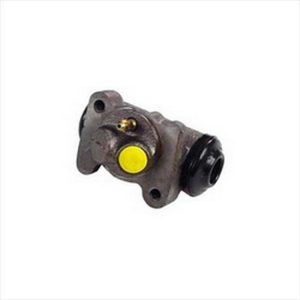
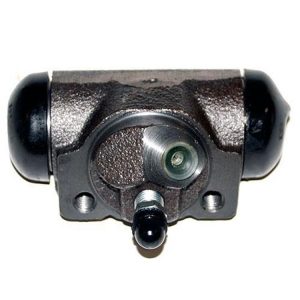
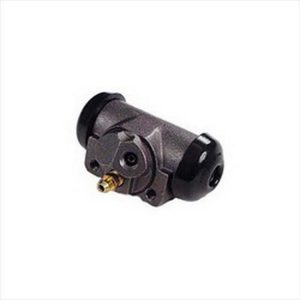
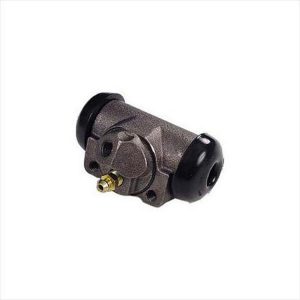
Drum brake wheel cylinders for older Jeeps and other vehicles that use rear or front drum brakes. This category lists replacement cylinders for CJ models, Cherokees, Grand Cherokees and Dana 35 axles, in driver, passenger or either-side fitments. Brands include Crown Automotive, Omix-Ada and Dorman. Compare part numbers and sizes on each product page, then compare the products below.
Drum Brake Wheel Cylinder
Showing 1–12 of 28 resultsSorted by popularity

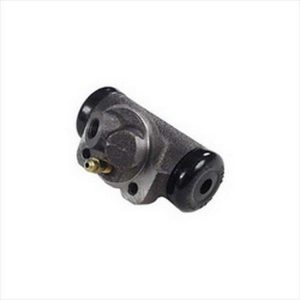
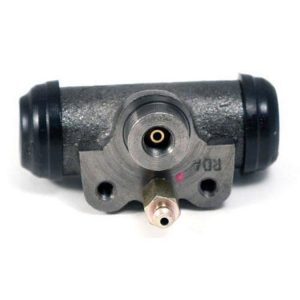
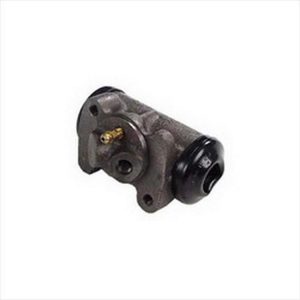
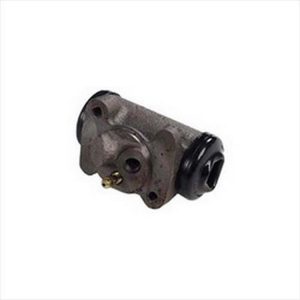
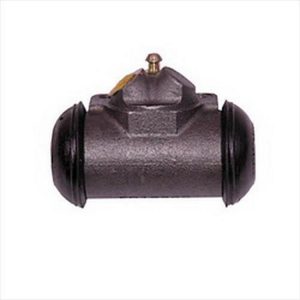
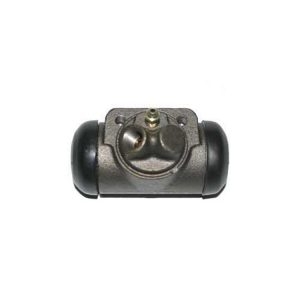
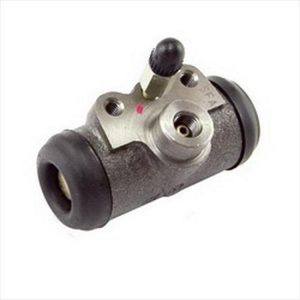
What a wheel cylinder does
In a drum brake, the wheel cylinder sits at the top of the brake backing plate. When you press the pedal, hydraulic pressure pushes pistons outward and moves the brake shoes against the inside of the drum. Rubber cups seal the fluid inside, and over time those seals can fail.
Signs of a failing wheel cylinder
- Brake fluid on the inside of the wheel, backing plate or drum.
- A soft or sinking pedal, or a need to pump the pedal.
- Brake shoes soaked in fluid, which lowers braking power and may cause grabbing.
- A brake that drags or does not release, from a sticking piston.
- Lower fluid level in the master cylinder reservoir with no other visible leak.
Choosing the right cylinder
Wheel cylinders are matched by bore size, mounting style and fitting position, so a cylinder that looks similar can still be wrong. Product details often list the model and year, such as a CJ-5 or CJ-6 or a ZJ Grand Cherokee, the axle (for example Dana 35), the drum size (such as 9 x 1-3/4 inch) and the position. Some cylinders fit either side, while others are specific to the driver or passenger side or the front or rear. Use the factory part number or measure the existing cylinder's bore if you are unsure.
Replace as a set of parts
Replace the cylinders on both wheels of an axle, and inspect the shoes, drums, springs and hardware at the same time. Contaminated shoes should be replaced because fluid cannot be cleaned out of the friction material. A hone-and-rebuild is an option on some cylinders, though replacement is usually simpler and more reliable.
Installation notes
Brakes are safety-critical. Use brake cleaner, not compressed air, on dusty drums, and avoid breathing brake dust. Tighten the brake line fitting and mounting bolts to the manufacturer's torque. After installation, bleed the entire system with fresh fluid of the type in the owner's manual and test the pedal firmly before driving. If you are not experienced with brakes, have a qualified shop do the work. Confirm fitment for your exact year, make and model.
Other drum brake parts worth checking
While the drums are off, look at everything. Inspect the brake shoes for thickness, glazing and contamination, and replace them in axle sets. Check the springs, adjusters and retainers for rust or weak tension, and replace hardware kits where practical, since small parts wear out together. Measure the drums for scoring and for diameter against the maximum marked on them. Look at the brake lines and flexible hoses for corrosion or swelling, because old rubber hoses can cause dragging. Clean the backing plates and check the axle seals for leaks, because gear oil on the shoes ruins them. Lightly lubricate the contact points on the backing plate with a high-temperature brake lubricant, avoiding the friction surfaces, and adjust the shoes to the specified clearance so the pedal feels firm.
Common mistakes include reusing damaged bleeder screws, over-tightening the line fitting until the cylinder cracks, and getting grease on the shoe lining. Make sure the bleeder screw faces up, since air rises, and confirm that the pistons move freely before final assembly.
Popular Drum Brake Wheel Cylinder brands
Drum Brake Wheel Cylinder FAQ
What causes a wheel cylinder to leak?
Age, moisture in the brake fluid and corrosion can damage the piston bore and the rubber cups. Once the seals fail, fluid leaks into the drum. Replacing the cylinder and bleeding the system with fresh fluid usually fixes it.
Should I replace both wheel cylinders on an axle?
Yes, it is commonly recommended. If one cylinder has failed from age, the other is usually close behind, and replacing both keeps braking balanced. Inspect shoes and drums for contamination at the same time.
How do I find the right bore size?
Check the factory part number, the axle and drum size listed for your model, or measure the old cylinder's bore. Product pages often list the model, year range and drum size, so compare those with your vehicle.
Do I need to bleed the brakes after replacing a wheel cylinder?
Yes. Opening the brake line lets air into the system, and air makes the pedal soft. Bleed all four wheels in the sequence specified for your vehicle, using the correct fluid.