
Pitman Arm
Showing 13–24 of 64 resultsSorted by popularity



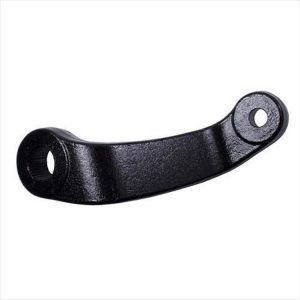
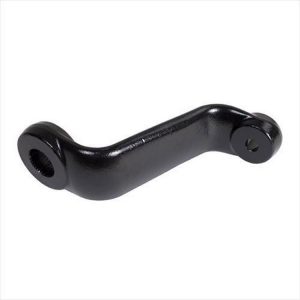
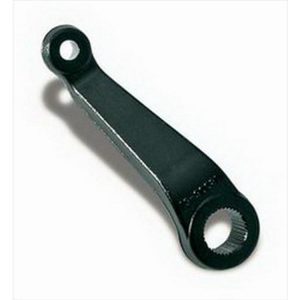
Where the pitman arm sits
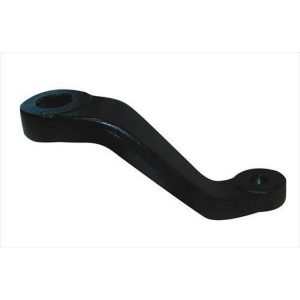
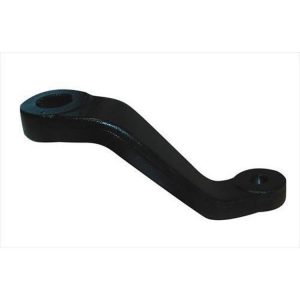
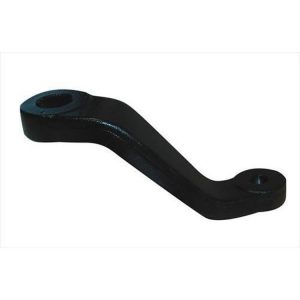
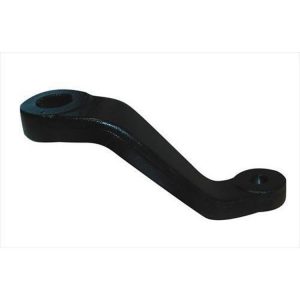
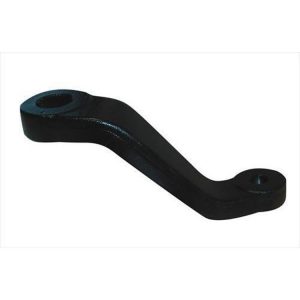
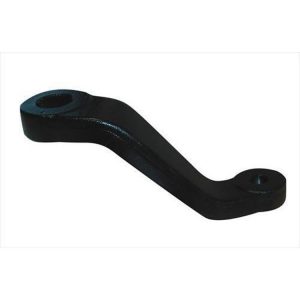
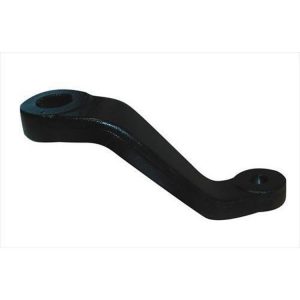
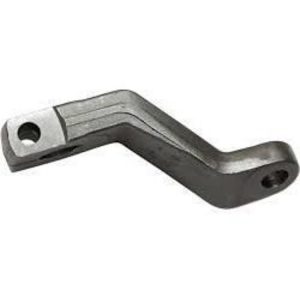
In a recirculating-ball steering system, the steering box turns an output shaft. The pitman arm bolts to that shaft's splines and swings back and forth, pushing or pulling the drag link. That motion turns the wheels, so the arm carries real load every time you steer. A loose or worn arm can create play at the steering wheel.
Standard versus drop pitman arms
Lifting a vehicle changes the angle of the drag link, which can cause bump steer and put the steering out of its working range. A drop pitman arm points downward more than a stock one, bringing the drag link angle closer to factory and helping it remain more level with the track bar. Drop length varies, and it should be matched to the amount of lift and the steering geometry. Parts made for a specific lift height are often the safest choice.
What to compare
- Spline count and diameter: they must match your steering box output shaft.
- Taper size at the drag link end, because the stud needs the right fit.
- Material and heat treatment, with forged steel the common choice.
- Length and drop dimension, as different arms change steering ratio and clearance.
- Whether the arm is intended for a stock or a power steering box, since some vehicles use different designs.
Installation
A pitman arm puller is required to remove the old arm without damaging the shaft. Mark the shaft position before you remove the arm so that the steering wheel stays centered. Torque the large shaft nut and the drag link nut to the vehicle manufacturer's specification, and use new cotter pins where required. Because this is a safety-critical steering component, have a professional install it if you lack experience, and get an alignment and a test drive afterward. Inspect the steering box mounting bolts and frame for cracks at the same time.
Fitment
Steering boxes differ by year and model, and aftermarket steering upgrades can change the required arm. Confirm fitment for your exact year, make and model and verify specifications with the manufacturer. If you have changed to a steering box upgrade or a different drag link, make sure the new arm clears the frame and does not bind at full lock in either direction.
Inspection and related parts
When a pitman arm is replaced, inspect the rest of the steering at the same time: the steering box mounting bolts and frame, the drag link ends, the track bar and the idler arm if there is one. Look for cracks around the splined hole and wear on the ball stud taper. Check that the steering box output shaft is not worn, since a new arm on a worn shaft will not cure play. Do not heat or weld a pitman arm to straighten it, because that can weaken the metal. A bent arm should be replaced. Test the steering after installing by turning slowly lock to lock with the wheels on the ground and watching for any binding or rubbing.
Popular Pitman Arm brands
- Skyjacker (16)
- Crown Automotive (11)
- Pro Comp Suspension (10)
- Fabtech (5)
- Moog (4)
- Rubicon Express (4)
- Rugged Ridge (3)
- Omix-Ada (3)
- Jeep (2)
- RT Off-Road (2)
- Tuff Country (2)
- Trail Gear (2)
Pitman Arm FAQ
What does a pitman arm do?
It attaches to the steering box output shaft and moves the drag link, which turns the front wheels. It transfers every steering input, so excess play or damage can result in vague or unsafe steering.
Do I need a drop pitman arm with a lift kit?
Often yes, especially with taller lifts, because it restores a more level drag link angle. The right amount depends on the lift and the vehicle's steering design, so follow the lift manufacturer's recommendations.
How can I tell if the pitman arm is worn?
Look for excess play where the arm meets the shaft, loose splines, cracks, or a clunk when turning the wheel with the engine off. Have a mechanic check it, since the steering nut and shaft can also wear.