







Twelve current 4X4s judged the overland way: payload, range, clearance, lockers, roof load and aftermarket support, with the numbers from each maker.
Air Compressors, Air Tanks & Air Accessories
Showing 13–24 of 59 resultsSorted by popularity
-
-
-
-
Air Compressor Accessories
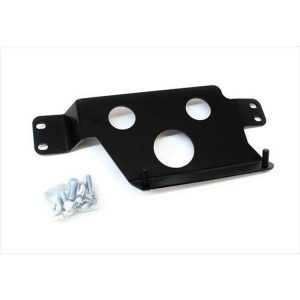
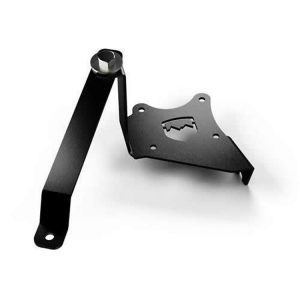
TeraFlex Air Compressor Mounting Bracket – 4847400
- TeraFlex air compressor mounting bracket, part TER4847400
- Mounts the OEM Rubicon air locker compressor to the BellyUp skid plate
- Fits 1997-2006 Jeep Wrangler TJ and 2004-2006 Wrangler Unlimited LJ
- Hardware included
SKU: TER4847400 -
Air Compressor Accessories
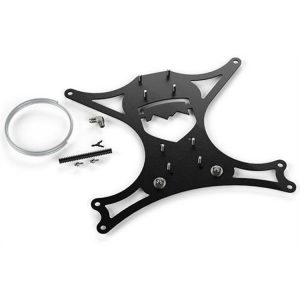
TeraFlex ARB Compressor Under Hood Mount – 1184220
- TeraFlex ARB Compressor Under Hood Mount, part number 1184220
- Holds a small ARB air compressor on the left side of the engine compartment
- Positioned near the ABS module; laser cut and bent bracketry
- Black powder coat finish
- Fits the 2007-2018 Jeep Wrangler JK
SKU: TER1184220 -
Air Compressor Accessories
TeraFlex ARB Compressor Under Seat Mounting Kit – 1184120
- TeraFlex ARB Compressor Under Seat Mounting Kit, part number 1184120
- Mounts an ARB on-board twin air compressor under the front passenger seat
- Includes a vent exhaust hose kit for routing fumes outside the vehicle
- Fits the 2007-2018 Jeep Wrangler JK
SKU: TER1184120 -
-
What do you need air for?
Onboard air covers several jobs with different demands. Airing tires back up after a trail run calls for volume: a compressor rated in cubic feet per minute that can refill four 35 inch tires from 12 to 35 psi in a reasonable time. Running air lockers needs very little volume but steady pressure, often around 85 to 105 psi, which a small compressor and a tiny tank handle. Air helper springs need a compressor that can hold a set pressure, usually with a pressure switch and gauge. Air horns and air tools want a tank in the 3 to 5 gallon range and 150 psi. Decide which of these you are solving before comparing anything.
Compressor or CO2
A 12 volt compressor draws current from the vehicle and is limited by duty cycle, the percentage of time it can run before it must cool. A compressor rated 25 percent duty at 40 psi, like the G2 mini unit for lockers, will not keep up with tire inflation; the ARB twin and similar units run at 100 percent duty and are built for it. Compressors never run out of air but they are slow compared with CO2.
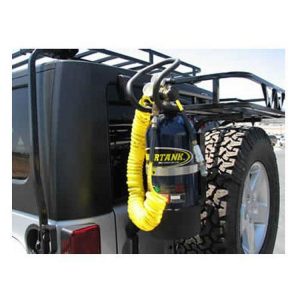
A Power Tank style CO2 system stores liquid CO2 in a bottle and releases it through a regulator. It inflates tires very fast and runs air tools well, with no electrical load, but the bottle empties and needs refilling at a welding or paintball supplier. A 10 pound bottle fills a set of large tires several times. Brackets from Power Tank hold 20 ounce, 10 pound and larger bottles in a bed, on a roll bar or on a tire carrier, with quick release latches.
Tanks, fittings and pressure
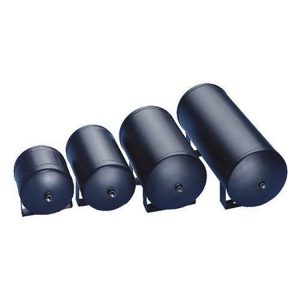
- Tank size trades space for reserve. A 4 gallon pancake tank fits in a spare tire well; a 20 gallon tank suits a truck bed or chassis mount for horns and tools.
- Check the pressure rating. Tanks here run to 150 or 300 psi; never exceed the lower of the tank and compressor ratings.
- Count the ports. Multi-port tanks let you plug in a compressor feed, pressure switch, safety valve, drain and outlet without tees. Unused ports get plugs.
- Look for a drain at the lowest point. Compressed air carries water and the tank will rust from inside without regular draining.
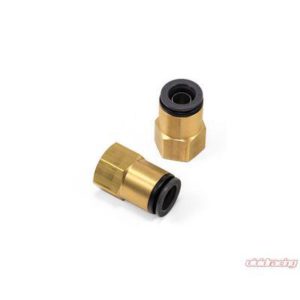
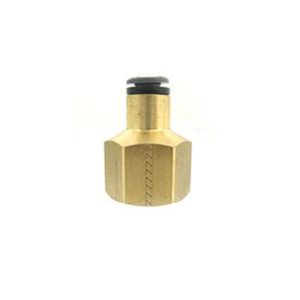
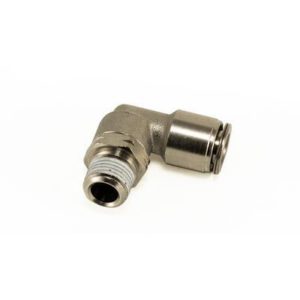
- Use DOT approved air line and push-to-connect fittings sized to your system, typically 1/4 inch for springs and lockers and 3/8 or 1/2 inch for horns.
Mounting and wiring
Compressors like to be cool and dry. Under-hood mounts on a Jeep are common, and TeraFlex and others sell brackets that put an ARB compressor on the inner fender or a skid plate. Tank mounts need to carry the weight over rough ground, so use the tank's own feet or straps and bolt into frame or structural sheet metal, never thin bed floor alone. Wire a compressor through a relay and a fuse sized to its draw, with a dedicated ground to the chassis. Pressure switches control the compressor automatically; Firestone and others sell them in ranges such as 100 to 150 psi.
Safety and upkeep
Install a safety blow-off valve on any tank. Drain the tank after each use in humid climates. Check the compressor's air filter periodically, since dusty trail air clogs it. Pressure gauges and tire inflators should be checked against a known good gauge once a season, and never leave a CO2 bottle in a hot cab unsecured, because a loose bottle is dangerous in a rollover.
Related guides
- The Best Modern 4X4s for Overland Travel
Popular Air Compressors, Air Tanks & Air Accessories brands
- AirLift (16)
- Power Tank (13)
- Firestone Ride-Rite (11)
- ARB 4x4 Accessories (11)
- Smittybilt (5)
- TeraFlex (3)
- AMP-Research (2)
- HornBlasters (2)
- G2 Axle and Gear (1)
- Garvin Industries (1)
- Kleinn Train Horns (1)
- Mountain Off Road Enterprises (1)
Shop Air Compressors, Air Tanks & Air Accessories by type
Air Compressors, Air Tanks & Air Accessories FAQ
What size compressor do I need to air up tires?
Look at the flow rating and duty cycle rather than peak pressure. A compressor rated for continuous duty with a few cubic feet per minute output refills four 33 to 37 inch tires in a reasonable time. Small 25 percent duty units are meant for lockers, not tires.
Is CO2 better than a compressor for off-road use?
CO2 is faster and uses no electricity, which is ideal for quick tire inflation and air tools, but the bottle must be refilled. A compressor is slower but never runs out. Many people carry a compressor for lockers and daily use and CO2 for fast inflation.
Do I need an air tank with my compressor?
Not for tires alone. Air lockers and air horns benefit from a small tank so the compressor does not cycle constantly, and horns need a few gallons for full volume. Air helper springs can run without a tank if the compressor has a pressure switch.
How do I keep water out of my air tank?
Compressed air condenses moisture inside the tank. Install the tank with its drain at the lowest point and open it after each outing. Tanks with an interior anti-corrosion coating last longer, and an inline water separator helps on systems used for tools.