Electric winches and winch parts for vehicle recovery, including Warn Zeon, M-series and VR-series winches along with wire rope, motors, mounts and hardware. This category is for off-roaders who want a self-recovery option for mud, sand and steep trails. Warn leads the listings, with parts from Crown Automotive, Dana Spicer and Currie. Open a product page for details, then compare the products below.
Winch
Showing 1–12 of 152 resultsSorted by popularity
-
-
Winch
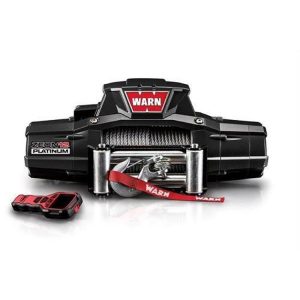
Warn ZEON Platinum 12 Recovery 12000lb Winch – 92820
- Rated line pull of 12000 lbs. for part number 92820
- 12V electric motor with a 162:1 gear ratio
- Wireless remote for the winch, clutch and up to two accessories
- 80 ft. of 3/8 wire rope with roller fairlead
- Universal fit, not tied to a specific year, make or model
SKU: WAR92820 -
Winch
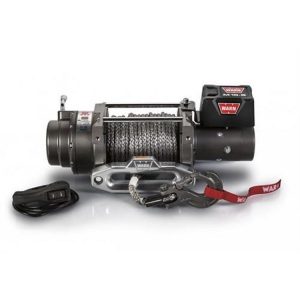
Warn ZEON Platinum 10-S Recovery 10000lb Winch with Spydura Synthetic Rope – 92815
- Wireless remote controls the winch, clutch and up to two accessories
- Spydura synthetic rope with a hawse fairlead
- Rated line pull of 10000 lbs. and IP68 waterproof rating
- Remote shows winch motor temperature and vehicle battery charge
- Universal fit, not matched to a particular year, make or model
SKU: WAR92815



How a recovery winch works
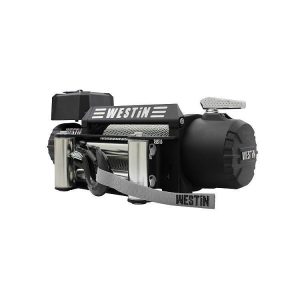
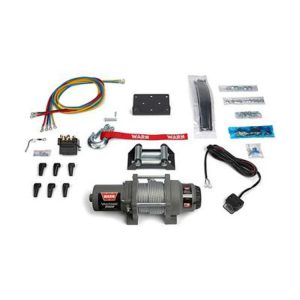
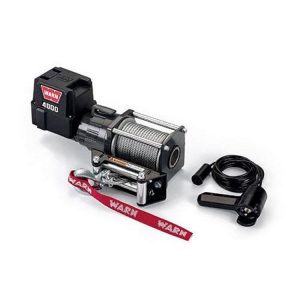
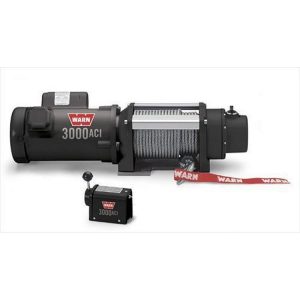
A winch uses an electric motor and a gear train to wind a steel cable or synthetic rope onto a drum, pulling the vehicle or another load toward an anchor point. Most vehicle winches run from the 12-volt electrical system and are controlled by a handheld or wireless remote. The gear ratio trades speed for pulling power, so a higher ratio pulls more slowly but with less strain on the motor.
Choosing a winch capacity
The common rule of thumb is to choose a rated line pull of at least 1.5 times the gross vehicle weight. Mud, steep inclines and a vehicle buried to the frame create more resistance than level ground, so a heavier-duty winch gives margin. The sample listings here range from small utility units rated around 2,000 lb up to 12,000 lb recovery winches.
Remember that line pull is rated on the first layer of the drum. As the cable stacks on, the available pull drops, so the capacity at a full drum is lower than the rating.
Specs to compare
- **Rated line pull and duty cycle.** Winches are designed for short, intermittent pulls, not continuous use. Overheating a motor is easy during long pulls.
- **Wire rope vs. synthetic rope.** Check the rope diameter and length listed. Steel is abrasion resistant and heavier, while synthetic is lighter and safer if it breaks, but needs protection from sharp edges and heat.
- **Fairlead.** Roller fairleads suit steel cable, and hawse fairleads are for synthetic rope.
- **Size and weight.** Confirm that the winch fits your bumper's mounting plate and that the added weight is accounted for on the front springs.
- **Remote and wiring.** Confirm the remote lead length and the cable gauge supplied.
Mounting, parts and safe use
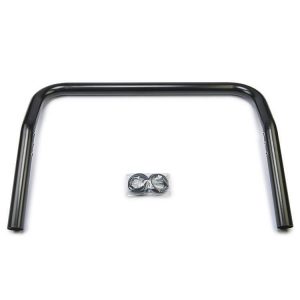
A winch needs a bumper or mount designed for its bolt pattern and load. Mount kits like the Gen II Trans4mer system on some Warn units are vehicle specific, so confirm fitment for your exact year, make and model. Heavy-gauge battery cables and a healthy battery matter: a weak battery or undersized cable slows the winch and heats the motor.
Safe winching means wearing gloves, keeping hands and bystanders clear of the line, laying a recovery damper or heavy blanket over the cable, and never exceeding the rated pull. Use a tree trunk protector rather than wrapping a cable around a tree, and use a rated snatch block to double the line when you need more pull. Replacement motors, couplers, screws and wire rope on these pages help you restore an older winch, but follow the manufacturer's service instructions.
A winch is only as good as its supporting equipment. Plan for a recovery strap kit, a tree trunk protector, shackles with a rated capacity, a snatch block, gloves and a line damper. Check the battery and charging system as well, since heavy pulls draw high current and a weak battery will slow the winch.
For maintenance, spool the line out and back under light tension after use so it lays evenly, rinse off mud and salt, and inspect wire rope for broken strands, kinks and flat spots. Retire damaged rope instead of repairing it. Test the remote, the clutch and the solenoid or contactor pack periodically, and keep the electrical connections clean and tight. Common mistakes include pulling at a sharp angle across the drum, running the winch until it overheats, and using the winch as a tie-down or for towing on pavement.
Popular Winch brands
- Warn (125)
- Smittybilt (14)
- Superwinch (4)
- Rugged Ridge (3)
- Crown Automotive (2)
- Dana Spicer (2)
- Currie (2)
- Cobra (1)
- Westin (1)
- Oracle Lighting (1)
- TeraFlex (1)
- ARB 4x4 Accessories (1)
Winch FAQ
What size winch do I need?
A common guideline is a rated line pull of at least 1.5 times your vehicle's gross weight. Heavier loads, deep mud and steep grades call for more capacity. Check your vehicle's weight and the winch maker's published rating.
Is steel cable or synthetic rope better?
Neither is better for every situation. Steel resists abrasion but stores energy and can cut hands. Synthetic is lighter and safer if it fails, but needs sleeves and care around rocks and heat. Match the fairlead to the line type.
Can I mount a winch on any bumper?
No. The bumper or mount must be rated for the winch's pulling load and match its bolt pattern. Many mounts are vehicle specific, so confirm fitment for your exact year, make and model and read the manufacturer's instructions.
Why does line pull drop as the drum fills?
Rated pull is measured on the first layer of rope. As more layers build up, the effective drum diameter grows and the pulling power decreases. For maximum pull, spool out as much line as practical before the recovery.