
UTV Tires & Wheels
Showing 49–60 of 94 resultsSorted by popularity
-
UTV Parts & Accessories, UTV Tires & Wheels, UTV Wheels

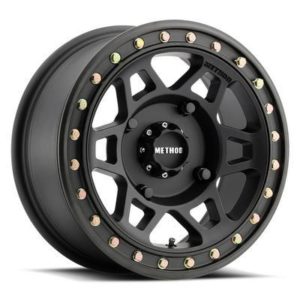
Method Race Wheels UTV Series 405 Beadlock, 15×7 with 4 on 156 Bolt Pattern – Black – MR40557046552B
 UTV Parts & Accessories, UTV Tires & Wheels, UTV Wheels
Method Race Wheels UTV Series 405 Beadlock, 15×7 with 4 on 156 Bolt Pattern – Black – MR40557046552B
- Method 405 UTV beadlock wheel, 15×7, with a 4 on 156 bolt pattern and black finish
- Part number MRWMR40557046552B, universal fit
- Backspace 5+2 with forged 6061 beadlock ring
- Grade 8 zinc-plated mounting hardware included
- Matte black, offered from 14 to 15 inches, 1600 lbs load rating
SKU: MRWMR40557046552B -
UTV Parts & Accessories, UTV Tires & Wheels, UTV Wheels
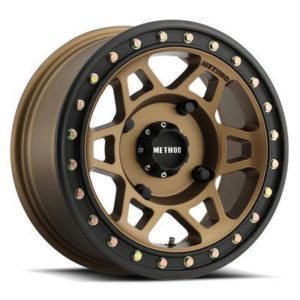
Method Race Wheels UTV Series 405 Beadlock, 15×7 with 4 on 136 Bolt Pattern – Bronze – MR40557047952B
 UTV Parts & Accessories, UTV Tires & Wheels, UTV Wheels
Method Race Wheels UTV Series 405 Beadlock, 15×7 with 4 on 136 Bolt Pattern – Bronze – MR40557047952B
- Method 405 UTV beadlock wheel, 15×7, with a 4 on 136 bolt pattern and bronze finish
- Part number MRWMR40557047952B, universal fit
- Backspace 5+2 with forged 6061 beadlock ring
- Load rating of 1600 lbs, offered from 14 to 15 inches in bronze
SKU: MRWMR40557047952B -
UTV Parts & Accessories, UTV Tires & Wheels, UTV Wheels
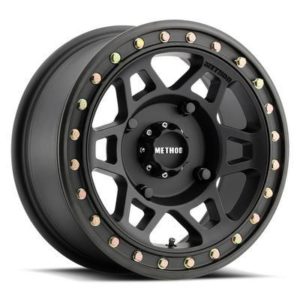
Method Race Wheels UTV Series 405 Beadlock, 15×7 with 4 on 136 Bolt Pattern – Black – MR40557047552B
 UTV Parts & Accessories, UTV Tires & Wheels, UTV Wheels
Method Race Wheels UTV Series 405 Beadlock, 15×7 with 4 on 136 Bolt Pattern – Black – MR40557047552B
- Method 405 UTV beadlock wheel, 15×7, with a 4 on 136 bolt pattern and matte black finish
- Part number MRWMR40557047552B, universal fit
- Offset 38, backspacing 5.5 and center bore 106
- Forged 6061 beadlock ring with Grade 8 zinc-plated hardware
- Load rating of 1600 lbs
SKU: MRWMR40557047552B -
UTV Parts & Accessories, UTV Tires & Wheels, UTV Wheels
Method Race Wheels UTV Series 405 Beadlock, 15×7 with 4 on 136 Bolt Pattern – Black – MR40557047543B
 UTV Parts & Accessories, UTV Tires & Wheels, UTV Wheels
Method Race Wheels UTV Series 405 Beadlock, 15×7 with 4 on 136 Bolt Pattern – Black – MR40557047543B
- Method 405 UTV beadlock wheel, 15×7, with a 4 on 136 bolt pattern and black finish
- Part number MRWMR40557047543B, universal fit
- Backspace 4+3 with forged 6061 beadlock ring
- Grade 8 zinc-plated mounting hardware included
- Load rating of 1600 lbs in a 14 to 15 inch range
SKU: MRWMR40557047543B -
UTV Parts & Accessories, UTV Tires & Wheels, UTV Wheels
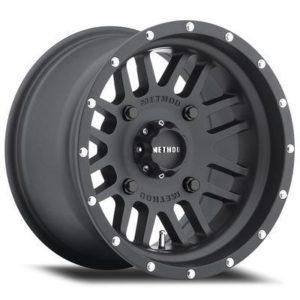
Method Race Wheels UTV Series 403 Mesh, 14×7 with 4 on 156 Bolt Pattern – Black – MR40347046552
 UTV Parts & Accessories, UTV Tires & Wheels, UTV Wheels
Method Race Wheels UTV Series 403 Mesh, 14×7 with 4 on 156 Bolt Pattern – Black – MR40347046552
- Method Race Wheels UTV Series 403 Mesh, black, 14×7
- Non-beadlock mesh design
- Replaceable stainless steel decorative bolts on the outer lip
- Screw-on hub cover
- Bolt pattern 4 on 156, backspace 5+2
SKU: MRWMR40347046552 -
UTV Parts & Accessories, UTV Tires & Wheels, UTV Wheels
Method Race Wheels UTV Series 401-R Beadlock, 15×5 with 4 on 156 Bolt Pattern (Low Offset) – Machined – MR40155046300B2
 UTV Parts & Accessories, UTV Tires & Wheels, UTV Wheels
Method Race Wheels UTV Series 401-R Beadlock, 15×5 with 4 on 156 Bolt Pattern (Low Offset) – Machined – MR40155046300B2
- Method 401-R UTV beadlock wheel, 15×5, with a 4 on 156 bolt pattern and machined finish
- Part number MRWMR40155046300B2, low 46mm offset with 2.5+2.5 backspace
- V.2 forged 6061 beadlock ring and Grade 8 hardware included
- Wheel, ring and hardware package weighs 16.8 lbs
- Universal fit with a 1600 lb load rating
SKU: MRWMR40155046300B2 -
UTV Parts & Accessories, UTV Tires & Wheels, UTV Wheels
Method Race Wheels UTV Series 401 Beadlock, 15×7 with 4 on 156 Bolt Pattern – Titanium – MR40157046843B
 UTV Parts & Accessories, UTV Tires & Wheels, UTV Wheels
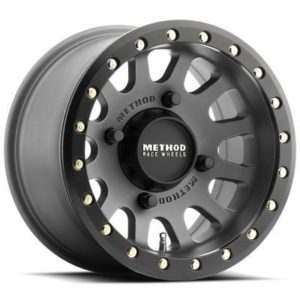
Method Race Wheels UTV Series 401 Beadlock, 15×7 with 4 on 156 Bolt Pattern – Titanium – MR40157046843B
- Method 401 UTV beadlock wheel, 15×7, with a 4 on 156 bolt pattern and titanium finish
- Part number MRWMR40157046843B, universal fit wheel
- Offset 13, backspacing 4.5 and center bore 132
- Forged 6061 beadlock ring and Grade 8 zinc-plated hardware included
- Load rating of 1600 lbs
SKU: MRWMR40157046843B -
UTV Parts & Accessories, UTV Tires & Wheels, UTV Wheels
Method Race Wheels UTV Series 401 Beadlock, 15×7 with 4 on 156 Bolt Pattern – Black – MR40157046543B
 UTV Parts & Accessories, UTV Tires & Wheels, UTV Wheels
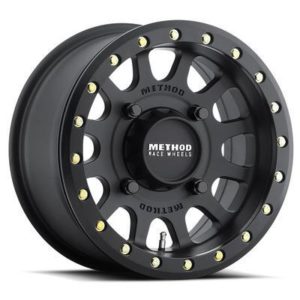
Method Race Wheels UTV Series 401 Beadlock, 15×7 with 4 on 156 Bolt Pattern – Black – MR40157046543B
- Method 401 UTV beadlock wheel, 15×7, with a 4 on 156 bolt pattern and black finish
- Part number MRWMR40157046543B, universal fit
- Backspace 4+3 with forged 6061 beadlock ring
- Load rating of 1600 lbs
SKU: MRWMR40157046543B -
UTV Parts & Accessories, UTV Tires & Wheels, UTV Wheels
Method Race Wheels UTV Series 401 Beadlock, 15×7 with 4 on 136 Bolt Pattern – Titanium – MR40157047843B
 UTV Parts & Accessories, UTV Tires & Wheels, UTV Wheels
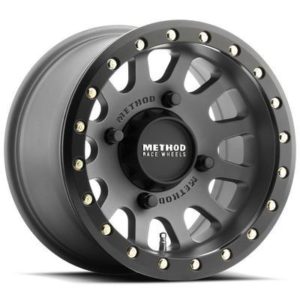
Method Race Wheels UTV Series 401 Beadlock, 15×7 with 4 on 136 Bolt Pattern – Titanium – MR40157047843B
- Method Race Wheels 401 UTV Titanium Beadlock, 15×7
- Offset 13, backspacing 4.5, center bore 106
- 4 on 136 bolt pattern, part MR40157047843B
- Forged 6061 beadlock ring with 1600 lb load rating
SKU: MRWMR40157047843B -
UTV Parts & Accessories, UTV Tires & Wheels, UTV Wheels
Method Race Wheels UTV Series 401 Beadlock, 15×7 with 4 on 136 Bolt Pattern – Black – MR40157047543B
 UTV Parts & Accessories, UTV Tires & Wheels, UTV Wheels
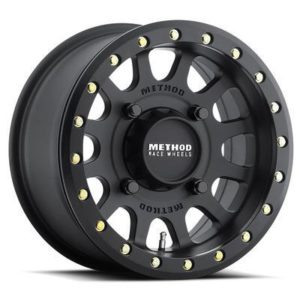
Method Race Wheels UTV Series 401 Beadlock, 15×7 with 4 on 136 Bolt Pattern – Black – MR40157047543B
- Method 401 UTV beadlock wheel, 15×7, with a 4 on 136 bolt pattern and black finish
- Part number MRWMR40157047543B, universal fit
- Backspace 4+3 with forged 6061 beadlock ring
- Load rating of 1600 lbs
SKU: MRWMR40157047543B -
UTV Parts & Accessories, UTV Tires & Wheels, UTV Wheels
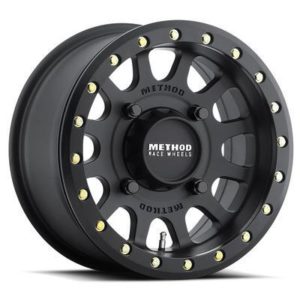
Method Race Wheels UTV Series 401 Beadlock, 15×6 with 4 on 156 Bolt Pattern – Black – MR40156046551B
 UTV Parts & Accessories, UTV Tires & Wheels, UTV Wheels
Method Race Wheels UTV Series 401 Beadlock, 15×6 with 4 on 156 Bolt Pattern – Black – MR40156046551B
- Method 401 UTV beadlock wheel, 15×6, with a 4 on 156 bolt pattern and matte black finish
- Part number MRWMR40156046551B, universal fit
- Backspace 5+1 with forged 6061 beadlock ring
- Load rating of 1600 lbs
SKU: MRWMR40156046551B -
UTV Parts & Accessories, UTV Tires & Wheels, UTV Wheels
Method Race Wheels UTV Series 401 Beadlock, 14×8 with 4 on 156 Bolt Pattern – Titanium – MR40148046844B
 UTV Parts & Accessories, UTV Tires & Wheels, UTV Wheels
Method Race Wheels UTV Series 401 Beadlock, 14×8 with 4 on 156 Bolt Pattern – Titanium – MR40148046844B
- Method 401 UTV beadlock wheel, 14×8, with a 4 on 156 bolt pattern and titanium finish
- Part number MRWMR40148046844B, universal fit
- Backspace 4+4 with forged 6061 beadlock ring
- Load rating of 1600 lbs
SKU: MRWMR40148046844B
Wheels and tires as a system
On a UTV, wheels and tires work together, so decide what you need from both at the same time. Terrain, vehicle weight, power and speed all affect the right choice. Because UTV platforms vary, always check the manufacturer's specifications for size limits, offset and clearance before changing anything.
Reading UTV tire sizes
Sizes such as 30x10R14 list overall height, tread width and rim diameter in inches. The R means radial construction. Taller tires increase ground clearance and can change gearing, while wider tires change steering feel and may rub on suspension or bodywork. Ply rating, such as 6 or 8 ply, indicates casing strength, with higher ply counts generally giving more puncture resistance and heavier weight.
Tread types by terrain
- All-terrain: a balanced tread for trails, dirt roads and mixed use.
- Desert and high-speed: lighter, with tread tuned for stability on loose, fast terrain.
- Sand: paddle or scoop designs, usually on rear tires, that dig for propulsion in dunes.
- Mud and water: deeper, more aggressive lugs that clear mud and bite in soft ground.
Choosing wheels
Match the bolt pattern, such as 4 on 156, 4 on 137 or 4 on 110, to your machine. Then compare diameter, width and backspacing, because those determine how the wheel sits relative to the suspension. Beadlock wheels clamp the tire bead mechanically and allow lower pressures with less risk of the tire slipping, though they require regular maintenance of the hardware. Some wheels use a bead-grip design instead. Spacer kits adjust fit on certain wheel styles.
Installation and safety
Tighten lug nuts to the vehicle's torque specification and recheck after the first ride. Use the tire maker's recommended pressure range and run lower pressures only within what the wheel and terrain allow. Have tires mounted by someone with the right equipment, especially for beadlock wheels. Fitting larger tires can change handling, load on drivetrain parts and speedometer accuracy. Check fitment and any rules for your riding area.
Gearing, weight and drivetrain load
Larger and heavier tires put more load on a UTV's clutch, belt, axles and differentials. A taller tire effectively raises the final drive ratio, which can reduce acceleration and make the belt work harder, particularly in sand or mud. Heavy wheels add rotating mass, which can affect acceleration and braking and increases stress on wheel bearings and suspension components. Many riders balance this by choosing a wheel that is strong yet lightweight, and by sizing tires only as large as the machine's power and clearance allow. Run tire pressures within the maker's recommended range, and check them often, because small changes in pressure change both traction and the chance of a bead problem or sidewall damage. Carry a plug kit, a compressor and the tools needed to change a wheel on the trail.
One common mistake is choosing tires by appearance alone. Check the load rating against the weight of the machine with passengers, gear and accessories, and confirm that the wheel width suits the tire so the bead seats properly. Mixed front and rear sizes are normal on some machines, so keep track of which size goes where.
Popular UTV Tires & Wheels brands
- Method Race Wheels (33)
- FUEL Off-Road (11)
- Super Swamper Tires (9)
- Tensor Tires (8)
- Maxxis Tires (7)
- ITP (5)
- GMZ Race Products (5)
- Raceline Wheels (4)
- Pro Armor (4)
- Kenda Tires (4)
- Sand Tires Unlimited (2)
- High Lifter Products (1)
Shop UTV Tires & Wheels by type
- UTV Wheels (52)
- UTV Tires (38)
- UTV Tire & Wheel Accessories (4)
UTV Tires & Wheels FAQ
What do UTV tire size numbers mean?
In a size like 30x10R14, the first number is the overall height in inches, the second is the tread width, and the last is the wheel diameter. The R indicates radial construction. Always confirm that the size fits your machine.
How do I find my UTV bolt pattern?
The pattern is written as lug count and circle diameter, such as 4 on 156. It is listed in your owner's manual or by the manufacturer, and it must match the wheel exactly. Check it before choosing any wheel.
Are beadlock wheels necessary?
No. Beadlocks are useful when you run low tire pressure for traction, since they help keep the tire from slipping on the rim. Standard or bead-grip wheels work for many riders. Beadlocks need regular hardware checks.
Can I put larger tires on my UTV?
Often within limits. Larger tires can rub on suspension or bodywork, stress drivetrain parts and affect handling. Check the manufacturer's maximum tire size and offset recommendations, and consider other changes the larger size may need.