
Trailer Hitch Pin Lock
Showing 13–24 of 47 resultsSorted by popularity
-
Trailer Hitch Pin Lock
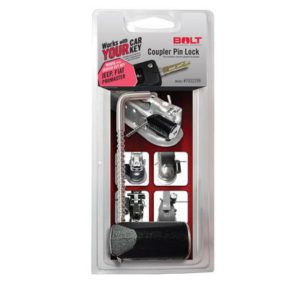
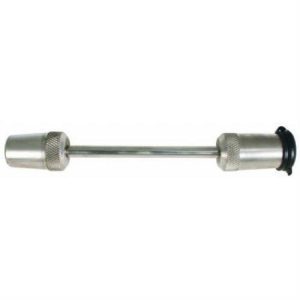
BOLT Lock Coupler Pin Lock – 7032299
- BOLT Lock coupler pin lock, part number SSC7032299
- Adjustable for couplers from 1/2 inch to 3-3/8 inch
- Opens with your vehicle ignition key
- 1/8 inch incremental adjustments for a snug fit
- Sized by coupler diameter, not by vehicle
SKU: SSC7032299 -
Trailer Hitch Pin Lock
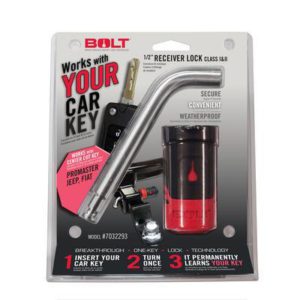
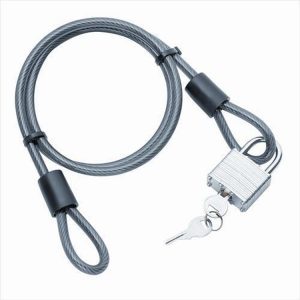
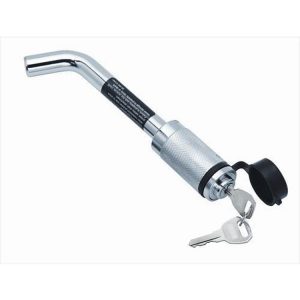
BOLT Lock 1/2″ Receiver Lock – 7032293
- BOLT Lock 1/2 inch receiver lock, part number SSC7032293
- 1/2 inch stainless steel shaft for class 1 and class 2 hitches
- Solid zinc core with automotive grade cylinder and 6-plate tumbler sidebar
- Stainless steel lock shutter against dirt and moisture
- Key opens for a Jeep Wrangler JL or Gladiator JT
SKU: SSC7032293 -
-
-
Trailer Hitch Pin Lock
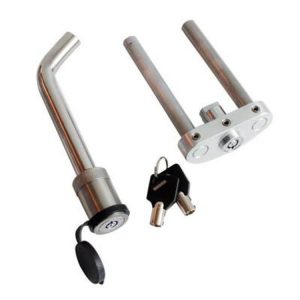
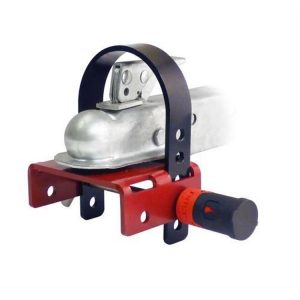
BOLT Lock Off-Vehicle Coupler Lock – 7032497
- BOLT Lock off-vehicle coupler lock, part number 7032497
- Fits couplers from 1/2 inch to 3-3/8 inch, adjustable in 1/8 inch increments
- Opens with your vehicle ignition key
- Stainless steel pin and lock shutter, limited lifetime warranty
SKU: SSC7032497 -
-
-






Receiver locks versus coupler locks
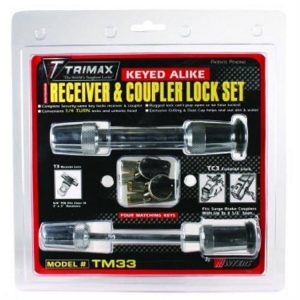
A receiver lock replaces the hitch pin or clip that keeps a ball mount seated inside the receiver tube. A coupler lock goes through the latch of a trailer coupler so the trailer cannot be hitched to another vehicle. A few products combine both in a set. Neither is a substitute for a trailer wheel lock or chain, but both stop quick opportunistic theft.
Matching pin size
Receivers come in standard sizes, commonly 1-1/4, 2, and 2-1/2 inches, and the pin diameter is typically 1/2 or 5/8 inch. The product titles here state this, for example a 5/8 inch receiver lock or a 1/2 inch receiver lock. Using the wrong diameter leaves slack or will not fit. Measure the hole in your receiver, and compare the pin length against the width of the receiver and ball mount. Some listings give the inside pin length and overall length, such as 3-5/8 inch inside width.
Key matching and options
- Vehicle-keyed locks, such as those labeled for GM, Ford, Chrysler, Toyota, or Nissan, work with the same key as the vehicle ignition or door, depending on the maker description.
- Keyed-alike sets let one key operate several locks.
- Combination or key-combination designs are also listed.
- Materials include stainless steel, which resists rust better than plain steel.
Care and use
Hitch locks live outdoors, so lubricate the cylinder with a graphite or dry lubricant and use the rubber cap where one is supplied. Use a lock pin that is rated for the application. A locking pin is not designed to replace a safety rated coupler lock or safety chains. Check the tongue weight and towing capacity of the vehicle and trailer, which are separate from the lock itself.
Checking compatibility
Confirm the receiver size and class, and the pin diameter, for your hitch, and check the manufacturer specifications. Vehicle-keyed locks are matched to a specific key type, so verify the make and key style. Towing rules and equipment requirements vary by state, so check local regulations.
For trailers stored outdoors, a coupler lock and a wheel chock or tire lock add layers of security. No lock stops a determined thief, but each barrier adds time and attention, which is often enough to send someone to an easier target. Keep spare keys somewhere other than the vehicle.
Choosing and using the lock
Think about where the lock will live. A receiver lock sits in a spot that gets road spray, so stainless steel or a plated finish lasts longer than bare steel. Check the shaft length too: a pin that is too short will not pass through the ball mount and receiver, and one that is too long can snag. Locks with a cover over the keyhole keep out grit. Keep a record of the key code or a spare key in a safe place, since replacing a lost key can mean replacing the lock. Remember that a lock secures the connection but does not replace the safety chains, which must stay crossed and attached whenever the trailer is towed.
Popular Trailer Hitch Pin Lock brands
- BOLT Lock (33)
- Trimax Locks (3)
- Curt Manufacturing (3)
- Fastway Trailer Products (3)
- Weigh Safe Hitches (2)
- B&W Hitch (2)
- Tow Ready (2)
- Rampage (1)
Trailer Hitch Pin Lock FAQ
What size pin do I need for my receiver?
Most receivers use a 1/2 or 5/8 inch pin. Measure the hole diameter and the receiver width, then match them to the pin diameter and inside length in the product details.
What is the difference between a receiver lock and a coupler lock?
A receiver lock secures the ball mount in the hitch receiver. A coupler lock closes the trailer latch so the trailer cannot be hitched. Many owners use both for full coverage.
Can one key work with my vehicle and my hitch lock?
Some locks are keyed to match certain vehicle brands, and keyed-alike sets share one key among locks. Check the listing to see which key type it uses.
How do I keep a hitch lock from seizing?
Spray the lock cylinder with a dry lubricant, keep the cover closed, and wipe off dirt and salt. Rinse and relubricate after winter driving or after the lock has been submerged.