
Receiver Hitches
Showing 25–36 of 151 resultsSorted by popularity
-
Receiver Hitches
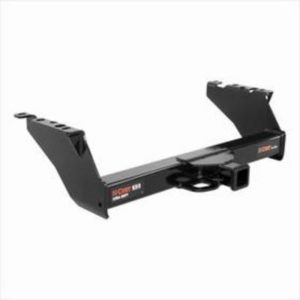
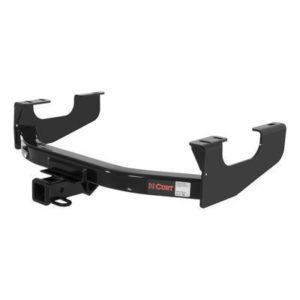
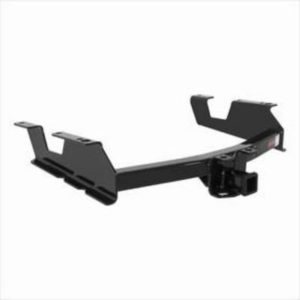
Curt Manufacturing Class V 2″ Xtra-Duty Receiver Hitch – 15300
- Class V Xtra-Duty rear receiver hitch with a 2 Inches X 2 Inches receiver
- Fits Dodge trucks from 1967 to 2002 and Ford trucks from 1973 to 1997
- Installation hardware included
- Gloss Black Powder Coat finish; does not fit with a roll pan
- Part number CRT15300
SKU: CRT15300 -
Receiver Hitches
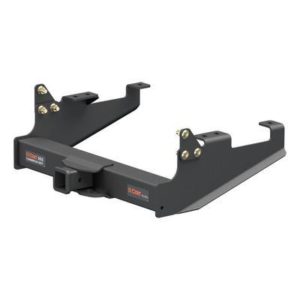
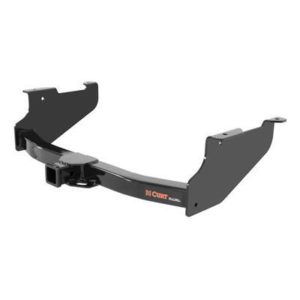
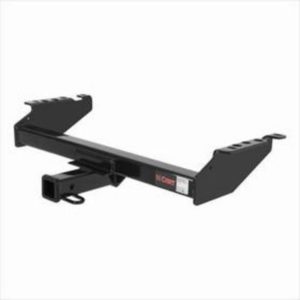
Curt Manufacturing Class V 2″ Receiver Hitch – 15804
- Commercial Duty Class V receiver hitch, part CRT15804, fits 2020–2021 Ford F-350 Super Duty
- Rated 20,000 pounds gross trailer weight and 2,700 pounds tongue weight
- Weight distribution rating of 20,000 pounds WD and 2,700 pounds WDTW
- Grade-8 hardware and carbide black powder coat over an A-coat base
- Receiver size needs checking: specs list 2 inches, description cites 2-1/2 inches
SKU: CRT15804 -
Receiver Hitches
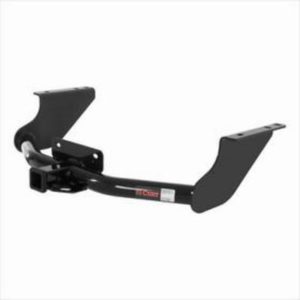
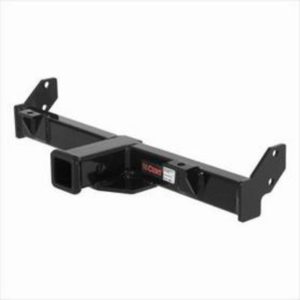
Curt Manufacturing Class IV 2″ Receiver Hitch – 14374
- Fits 2009–2010 Dodge Ram 1500 and 2011–2018 Ram 1500 pickups, plus the 2019 Ram 1500 Classic (listed trims)
- Rear-mount Class IV receiver with a 2 inches x 2 inches opening
- Part number CRT14374, weight class Class III/IV
- Gloss Black Powder Coat finish; installation hardware supplied
SKU: CRT14374 -
Receiver Hitches
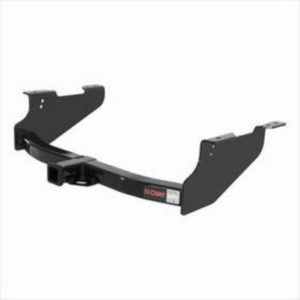
Curt Manufacturing Class IV 2″ Receiver Hitch – 14361
- Dodge Ram 1500, 2500 and 3500 pickups, 2002–2018 model years (see fitment)
- Rear-mount Class IV receiver with a 2 inches x 2 inches opening
- Part number CRT14361, weight class Class III/IV
- Gloss Black Powder Coat finish, installation hardware included
SKU: CRT14361 -
Receiver Hitches
Curt Manufacturing Class IV 2″ Receiver Hitch – 14355
- Direct-fit Class IV receiver hitch
- Fits 1997–2003 Ford F-150, 2004 F-150 Heritage, 1999–2003 F-150 Lightning, and F-250 and F-350 Super Duty trucks
- Gloss Black Powder Coat finish
- Installation hardware included, no drilling required
- Part number CRT14355
SKU: CRT14355 -
-
Receiver Hitches
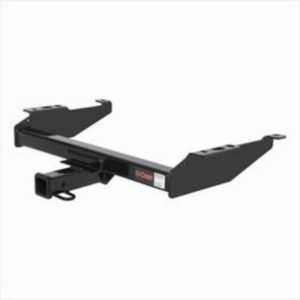
Curt Manufacturing Class IV 2″ Receiver Hitch – 14081
- Fits many 1988–2000 Chevrolet and GMC C/K pickups, plus several R and V models (see fitment)
- Rear-mount Class IV receiver with a 2 inches x 2 inches opening
- Part number CRT14081, weight class Class III/IV
- Gloss Black Powder Coat finish with installation hardware included
- Does not fit with a roll pan
SKU: CRT14081 -
Receiver Hitches
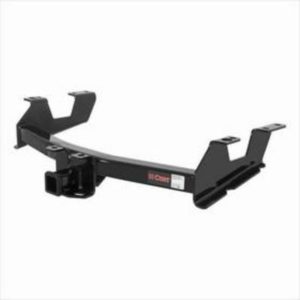
Curt Manufacturing Class IV 2″ Receiver Hitch – 14062
- Fits 2011–2014 Chevrolet Silverado 2500 HD, 2011–2014 GMC Sierra 2500 HD and 2011–2013 GMC Sierra 3500 HD (listed fitment)
- Rear-mount Class IV receiver hitch with a 2 inches x 2 inches receiver
- Weight class Class III/IV; part number CRT14062
- Gloss Black Powder Coat finish with installation hardware included
- Not compatible with a roll pan
SKU: CRT14062 -
Receiver Hitches
Curt Manufacturing Class IV 2″ Receiver Hitch – 14061
- Direct-fit rear receiver hitch with a 2 Inches X 2 Inches receiver
- Fits 2011–2014 Chevrolet Silverado and GMC Sierra 2500 HD and 3500 HD trucks
- Weight Class III/IV; does not fit with a roll pan
- Gloss Black Powder Coat finish
- All installation hardware included, no drilling required
- Part number CRT14061
SKU: CRT14061 -
Receiver Hitches
Curt Manufacturing Class IV 2″ Receiver Hitch – 14001
- Curt Class IV rear receiver hitch, part number CRT14001, with a 2-inch by 2-inch receiver
- Includes all installation hardware; no drilling required
- Fits many 1967–2002 Dodge and Ford pickups and Bronco models
- Gloss Black Powder Coat finish
SKU: CRT14001 -
-
Receiver Hitches
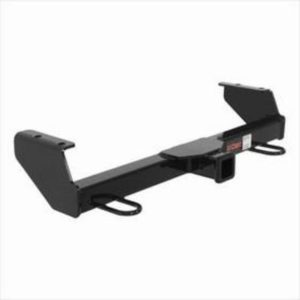
Curt Manufacturing Class III Mount Receiver Hitch – 31241
- Curt Manufacturing CRT31241 Class III front-mount receiver hitch
- Direct fit for 2005–2008 and 2010–2019 Nissan Frontier, 2005–2012 Nissan Pathfinder and 2009–2012 Suzuki Equator
- 2 Inches X 2 Inches receiver size, Class III/IV weight class
- Does not fit with a roll pan
SKU: CRT31241

Understanding hitch classes
Hitches are grouped by class according to their rated gross trailer weight and tongue weight. Class III hitches are common on SUVs, half-ton trucks and Jeeps, while Class IV and V hitches are built for heavier trailers and larger trucks. Receivers are normally 1.25 inch or 2 inch square, and Class III and above generally use 2 inch. A higher class does not raise your vehicle's tow rating, because the lowest-rated component in the whole system sets the limit.
Specifications to check
- Gross trailer weight (GTW): The maximum total trailer weight the hitch is rated for.
- Tongue weight (TW): The downward force on the ball, typically around 10 to 15 percent of trailer weight for conventional trailers.
- Receiver size: Confirm it matches your ball mount, bike rack or accessory shank.
- Weight-distributing rating: Some hitches carry different ratings with and without a weight-distribution system.
- Mount location: Rear hitches are standard, while front receivers are sold as separate designs.
Fitment and compatibility
Direct-fit hitches are made for a particular chassis, with bolt holes that line up with factory frame points. Bumper cutouts, exhaust routing, spare tire carriers and roll pans can interfere, and some listings note whether the hitch fits with a roll pan. Always confirm fitment for your exact year, make and model, and check the manufacturer's specifications and your owner's manual for the vehicle's tow rating.
Installation notes
Most bolt-on hitches install with basic hand tools and a helper, but they carry a lot of load, so fastener quality and torque matter. Use the supplied hardware, tighten to the specified torque, and recheck after the first drive. Clean and treat any weld seams or drilled areas against rust. Wiring for trailer lights is a separate harness. If you are unsure about any step, have the hitch installed by a professional, and inspect it periodically for cracks, loose bolts and corrosion.
Check the fine print when you pair a hitch with accessories. A ball mount, pin, coupler and chains each carry their own rating, and the lowest rating in the chain is your limit. Keep the receiver tube clean and lightly lubricated, and use an anti-rattle device if your accessories shift in the opening.
Wiring, ball mounts and common pairings
A hitch is only part of a towing setup. You will also need a ball mount with the right rise or drop so the trailer sits level, a ball sized to the trailer coupler, and a hitch pin or locking pin. Safety chains cross under the tongue, and trailers over a certain weight need brakes and a brake controller, with requirements that vary by state.
- Choose a ball mount length that gives clearance between the trailer and the vehicle at tight turns.
- Use a wiring harness that matches your vehicle's connector, and test the lights before every trip.
- Grease the ball lightly and keep the coupler latch free of dirt.
Look over the receiver for rust and bent tubing after trail use, and replace any hitch that shows cracks or elongated bolt holes.
Popular Receiver Hitches brands
- Curt Manufacturing (67)
- DrawTite (47)
- B&W Hitch (16)
- Rugged Ridge (7)
- Smittybilt (4)
- Warn (3)
- Fab Fours (2)
- Trimax Locks (2)
- Rampage (1)
- Genuine Packages (1)
- RT Off-Road (1)
- Ranch Hand (1)
Receiver Hitches FAQ
What hitch class do I need?
Match the class to the trailer you plan to tow, then confirm it does not exceed your vehicle's rated towing capacity. Class III suits many SUVs and Jeeps, while heavier trailers call for a higher class on a capable vehicle.
Does a Class V hitch increase my towing capacity?
No. Towing capacity is set by the vehicle manufacturer and by the weakest component, including the frame, axle, brakes and hitch. A stronger hitch alone does not raise the vehicle's limit.
What is tongue weight?
Tongue weight is the downward force the trailer places on the hitch ball. For many conventional trailers it should fall near 10 to 15 percent of trailer weight, and it must stay within the hitch's rating.
Can I install a receiver hitch myself?
Many direct-fit hitches bolt to existing frame holes and can be installed at home with a helper and a torque wrench. If drilling, welding or trimming is involved, a professional installer is recommended.