Sway bar bushings and brackets for the suspension, covering the rubber or polyurethane bushings that hold the stabilizer bar to the frame or axle and the mounting brackets that keep it in place. This is the place to look when a clunk, squeak or sloppy handling points to a worn sway bar mount. Brands include Energy Suspension, Crown Automotive, Prothane Motion Control, Rubicon Express and Fabtech. Check each product page for sizes, then compare the products below.
Sway Bar Bushings & Brackets
Showing 1–12 of 130 resultsSorted by popularity
-
Sway Bar Bushings & Brackets
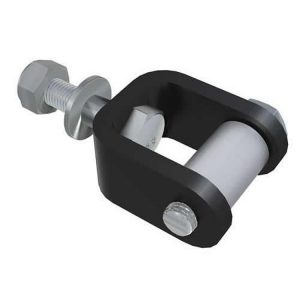
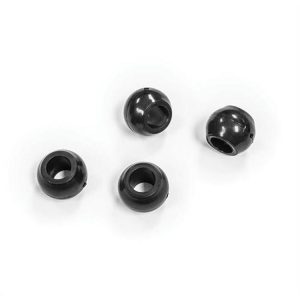
Fabtech Sway Bar Link Bushing – FTS1004
- Fabtech FTS1004 sway bar link bushing, part number FTS1004
- Part of Fabtech’s bushing replacement and polyurethane accessory line
- Accessories are available to rebuild lower and upper control arms as well
- Universal fit; confirm year, make and model before ordering
SKU: FABFTS1004 -
Sway Bar Bushings & Brackets
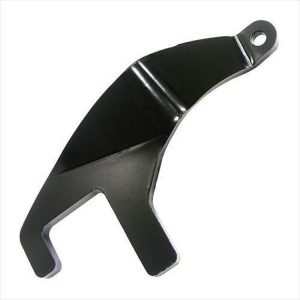
TeraFlex Front Sway Bar Quick Disconnect Bracket – 600277
- TeraFlex 600277 front sway bar quick disconnect bracket for the Jeep JK frame
- Fits 2007–2015 Jeep Wrangler (JK), 2 and 4-door models
- Holds the sway bar link up and out of the way when disconnected
- Part number 600277, UPC 843885012542, additional hardware required
SKU: TER600277 -
-
Sway Bar Bushings & Brackets
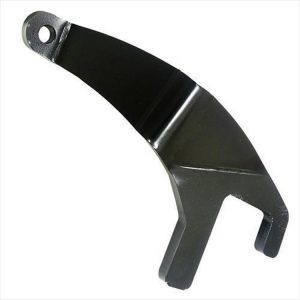
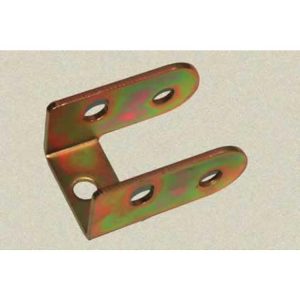
TeraFlex Sway Bar Mount – 4959101
- TeraFlex 4959101 Dana 30 left sway bar mount, part number 4959101
- Raises the sway bar mount for clearance with custom steering components
- Laser cut and formed from 3/8 inch steel
- Universal fit; confirm your axle is a Dana 30
SKU: TER4959101 -
-
-
Sway Bar Bushings & Brackets
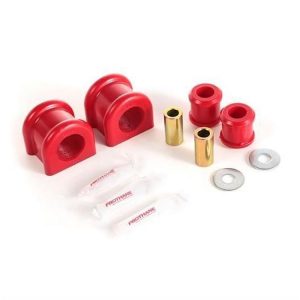
Rugged Ridge Sway Bar and Link Bushing Kit (Front) – 18367.22
- Rugged Ridge 18367.22 front sway bar and link bushing kit in red polyurethane
- Includes 31mm sway bar bushings and end link bushings
- Fits 2007–2017 Jeep Wrangler (JK)
- Kit includes sleeves, washers and grease
SKU: RUG18367.22 -
-







Why these small parts matter
A sway bar, also called a stabilizer bar, links the left and right sides of the suspension to reduce body roll in corners. The bar twists in its mounts as the body leans, so the bushings and brackets that hold it take constant motion. When a bushing wears out, the bar can shift or clunk over bumps, and handling feels looser than it should.
Bushing materials
Rubber bushings are what most vehicles use from the factory. They are quiet and forgiving, but they can crack or compress with age. Polyurethane bushings are firmer and generally resist wear and some fluids better, which many owners prefer for a more precise feel. The tradeoff is that polyurethane can squeak if it is not lubricated, and a firmer bushing may transmit a little more road noise.
- Rubber: quiet, soft, closest to factory feel.
- Polyurethane: firmer, durable, typically needs the supplied grease.
Sizes and styles
The inside diameter of a bushing must match the bar diameter, so measure the bar with calipers or check the specification for your vehicle. Bushings are available as split, wrap-around styles that go on without removing the bar, and as full round designs. Brackets also differ: some are simple U-shaped straps, while others are cast pieces with end links and mounting studs. Lifted vehicles sometimes use extended brackets or drop mounts that restore the bar's angle.
Key points to compare
- Bar diameter and bushing inside diameter.
- Material and whether grease is included.
- Frame-mount versus axle-mount position.
- Whether hardware, sleeves or brackets are included.
Installation tips
Support the vehicle safely on jack stands, and take pressure off the bar before loosening brackets. Clean the bar where the bushing sits, because rust and dirt can wear a new bushing fast. Apply the lubricant that comes with polyurethane sets, and tighten brackets to the manufacturer's torque specification with the suspension at ride height when possible. If the vehicle is lifted, check that the end links and bar still have adequate clearance.
Fitment
Bushing sizes vary by front and rear position as well as model year, so confirm fitment for your exact vehicle and check the manufacturer's specifications first.
Diagnosing the real problem
A clunk may come from the end links, the bar itself or the bushings, so check each. With the vehicle supported, grab the bar and try to move it in its brackets, then inspect the end link joints for play. Replacing a bushing without checking worn end links can leave the noise in place.
Matching parts and common mistakes
Sway bars on lifted vehicles often need longer end links so that the bar stays near level. A bushing that is too small will bind and too large will rattle, so measure the bar. Do not overtighten brackets in the hope of eliminating a squeak; that can bind the bar and make steering feel notchy. Disconnectable end links are often paired with these parts on vehicles that go off-road, since they let the axle move more freely at low speed.
Popular Sway Bar Bushings & Brackets brands
- Energy Suspension (63)
- Crown Automotive (18)
- Prothane Motion Control (11)
- Rubicon Express (8)
- Fabtech (7)
- TeraFlex (7)
- Omix-Ada (4)
- ARB 4x4 Accessories (3)
- Daystar (2)
- Currie (2)
- Prothane (2)
- Skyjacker (1)
Sway Bar Bushings & Brackets FAQ
How can I tell if my sway bar bushings are worn?
Common signs include clunking over bumps, a rattle when turning and more body roll than usual. A visual check for cracked, flattened or missing bushings and a bar that moves in its bracket confirms it.
Are polyurethane sway bar bushings better than rubber?
Neither is better in every case. Polyurethane is firmer and tends to last longer, while rubber is quieter and closer to stock. Choose based on whether you value precise feel or low noise.
Why do my new polyurethane bushings squeak?
Squeaks usually mean the bushing was installed dry or the lubricant washed away. Use the grease supplied with the kit, and reapply if noise returns. Dirt on the bar can also cause it.
Do I need new brackets with the bushings?
Not always. If the brackets are straight, rust-free and tight, many owners reuse them. Bent, corroded or stretched brackets should be replaced, and lifted vehicles may need different brackets entirely.