
Tie rod assemblies link the steering arms and knuckles so the wheels turn together and stay aligned. This category includes complete tie rod assemblies, drag links, tie rod kits, long tie rods and steering tubes from Crown Automotive, Omix-Ada, Fabtech, Trail Gear and Currie, mostly for Jeep-style applications. Check length, side and drive configuration on each product page, then compare the products below.
Tie Rod Assembly
Showing 1–12 of 26 resultsSorted by popularity
-
-
-
-
-
Tie Rod Assembly
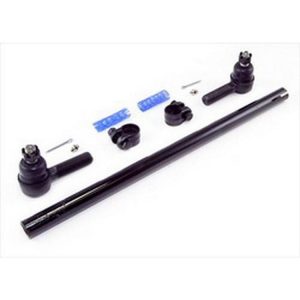
Omix-ADA Tie Rod Assembly with Tube – 18046.02
- Driver side (left) tie rod assembly with tube, part number 18046.02
- Fits Jeep CJ and Willys CJ models from 1949 to 1971
- Direct OE replacement, 4 cylinder engine, 19.75 inch measurement
- Limited five year warranty from Omix-ADA
SKU: OAI18046.02 -
-
Tie Rod Assembly
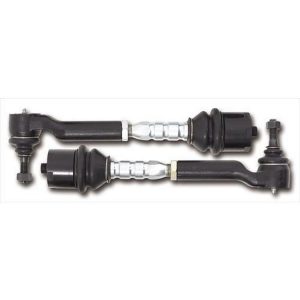
Fabtech Tie Rod Assembly – FTS71005
- Fits 2011–2018 Chevrolet Silverado and GMC Sierra 2500 HD and 3500 HD trucks
- Heavy-duty front tie rod assembly, part number FTS71005
- Requires 13.5 inch or wider tires and 5 3/4 inch backspace wheels, plus part FTS21119
- Fits stock suspension and the Fabtech 4 inch Ultimate System
SKU: FABFTS71005




What a tie rod assembly does
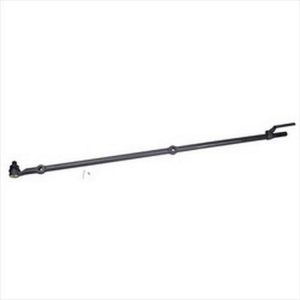
The tie rod assembly connects the steering arm on one wheel to the arm on the other, or to the pitman arm via a drag link, so both front wheels point the same way. It also sets toe, which is how far the front tires angle toward or away from each other. Because it is a direct part of the steering linkage, wear or damage here affects how the vehicle tracks and how precisely it responds.
What is included
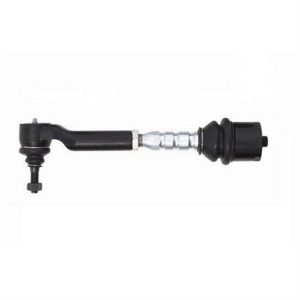
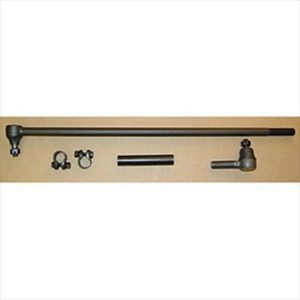
- Complete tie rod assemblies: a tube with threaded adjusting sleeves and a tie rod end on each side. Replacing the full assembly refreshes both ends at once.
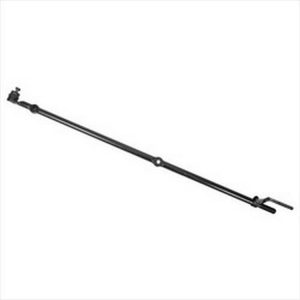
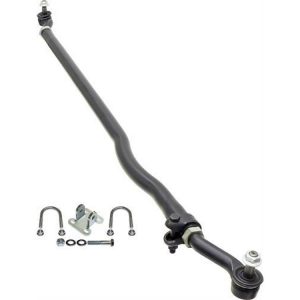
- Drag links: connect the pitman arm to a steering knuckle. Some kits include tie rod ends and an adjusting sleeve.
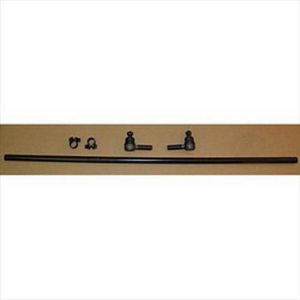
- Tie rod kits: may include multiple ends, sleeves and hardware.
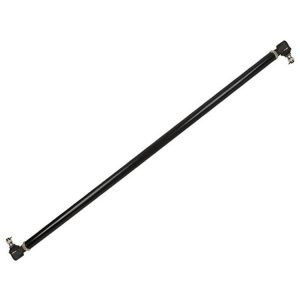
- Long tie rods and steering tubes: replacement tubes and clamps sold by length.
- Heavy-duty upgrades: larger-diameter assemblies and units with greasable joints that are designed for bigger tires and harder use.
Specs to confirm
- Length: listed in inches, for example 19.75 inch or a knuckle-to-knuckle design.
- Side and position: driver side, passenger side or either side, and whether it spans pitman arm to knuckle or knuckle to knuckle.
- Left or right-hand drive: some assemblies are specific to one configuration.
- Thread size and taper: these must match your knuckle and steering arm.
- Greasable ends: they extend life but need periodic lubrication.
Signs of wear
Symptoms include a loose or wandering steering feel, clunking over bumps, uneven tire wear, a steering wheel that sits off-center and vibration at speed. A mechanic can check for play with the front end raised, by moving each wheel side to side and watching the joints.
Installation and safety
Steering parts are safety-critical. Use the correct tools to separate tapered joints, tighten castle nuts to the specified torque and install new cotter pins. Count threads or measure the old assembly before removal so the new one starts near the right length. A front-end alignment is necessary after replacement, because toe will be off. Professional installation is strongly recommended unless you have experience with steering components.
Confirm fitment for your exact year, make and model, and follow the manufacturer's specifications. Then compare the products below.
Heavy-duty and lifted-vehicle considerations
Larger tires and a lift put more leverage on the steering linkage, and stock tubes can bend on a hard trail strike. Heavier tubing, forged ends and greasable joints are common upgrades for that reason. A bent tie rod or drag link should always be replaced, never straightened, because bending weakens the metal.
Lubricate greasable ends at the intervals the maker recommends, inspect boots for tears, and re-torque jam nuts and clamps after the first few drives. A properly adjusted linkage should leave the steering wheel centered when the vehicle drives straight.
Protect the new parts with sensible habits. Avoid parking with the wheels turned hard against a curb, and keep steering joints clear of packed mud by washing the undercarriage after trail runs. Make a quick visual check of the linkage when you check tire pressures. Replace damaged boots immediately, since dirt entering the joint will wear it out quickly.
Popular Tie Rod Assembly brands
Tie Rod Assembly FAQ
What is the difference between a tie rod end and a tie rod assembly?
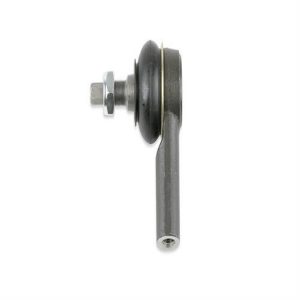
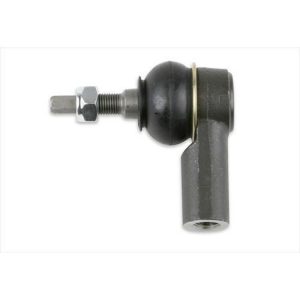
A tie rod end is the ball joint at the tip of the linkage. An assembly is the complete link, with tube or sleeve and ends, so replacing it renews the whole part in one go.
Do I need an alignment after replacing tie rods?
Yes. Tie rods set front toe, so replacing them changes alignment. Get a professional alignment right after installation to protect your tires and make sure the vehicle tracks straight.
How do I know if my tie rods are worn?
Common signs are loose steering, clunks, uneven or feathered tire wear and a wandering feel. With the front end lifted, play when you rock the wheel side to side can point to a worn end.
What is a drag link?
A drag link connects the steering box's pitman arm to the steering knuckle on solid front axle vehicles. It transmits steering motion to the wheels and is adjustable on many designs.