
Gauges
Showing 13–24 of 68 resultsSorted by popularity




Why add or replace gauges
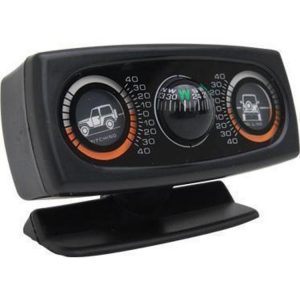
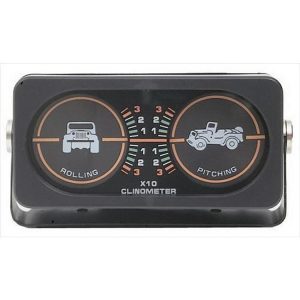
Factory instrument clusters often show only a coolant temperature needle and a handful of warning lights. Aftermarket gauges report real numbers, such as oil pressure, exhaust gas temperature, boost or system voltage, which helps you catch a problem before it becomes a failure. Replacement speedometers and tachometers, including Jeep-specific electric units, restore a cluster that has failed or one that no longer reads correctly after a gear or tire change.
Common gauge types
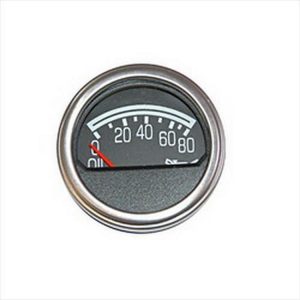
- Oil pressure: shows pressure in the lubrication system, and a falling reading at idle can signal wear or low oil.
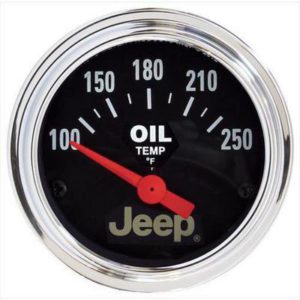
- Oil and coolant temperature: useful for towing and slow trail driving where heat builds up.
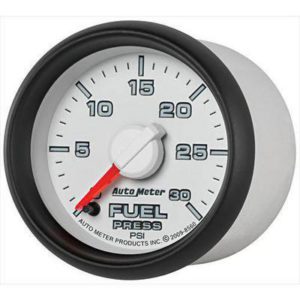
- Fuel pressure: helps diagnose pump and filter issues on fuel-injected engines.
- Boost and pyrometer (EGT): used on turbocharged and diesel engines to avoid overboost and excessive exhaust temperature.
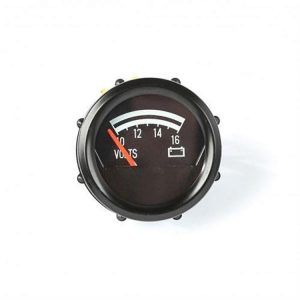
- Voltmeter and ammeter: show charging system health, handy with winches and extra lighting.
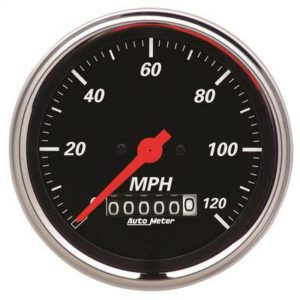
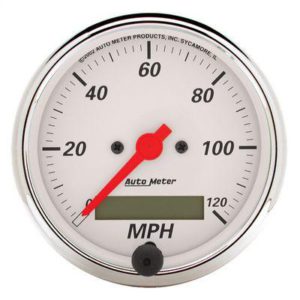
- Speedometer and tachometer: a replacement or upgrade for the dash cluster.
Mechanical versus electric
Mechanical gauges use a line or capillary tube that carries fluid or pressure to the gauge, while electric gauges use a sending unit and wiring. Mechanical designs can be accurate and need no power for the reading, but an oil or fuel line routed into the cab is a leak and fire risk if poorly installed, so use proper fittings and secure the routing. Electric gauges avoid pressurized lines in the cabin and are the common choice for most installs. Liquid-filled gauges damp needle bounce on rough trails.
Selecting a gauge
Check the measuring range against what your engine produces, because a gauge that pegs at its limit is of little use. Confirm the bezel size (commonly 2-1/16 inch or 2-5/8 inch) and whether you need a pod or panel mount. For speedometers, match the connector and drive type, and confirm fitment for your exact year, make and model. Some systems need the speedometer recalibrated after a gear change.
Installation notes
Disconnect the battery before wiring, fuse the power feed, and use the correct adapters or sending units, such as thread sizes for oil and water ports. Route wiring away from heat and moving parts, and seal any fittings. If you are unsure, an automotive electrician can complete the job.
Placement and visibility matter more than most people expect. A gauge you cannot see at a glance on rough ground is not much help, so choose a mounting location in your normal sight line, such as an A-pillar pod, a dash-mounted cup or a replacement panel in the instrument cluster. Consider the lighting too, since many gauges have backlighting in colors designed to match factory dash lights, and a mismatch can be distracting at night. Peak-recall and warning-light features on some gauges help when the road is too rough to watch a needle.
Accuracy depends on good sensors and clean connections. Replace old or questionable sending units, check grounds, and use the thread sealant or adapters recommended for the fitting. Gauges that read erratically often have a loose ground or a failing sensor rather than a defective gauge. Compare readings against a known reference, such as a test gauge, if a reading seems wrong. Keep the manufacturer's wiring diagram, since adding gauges later is easier when the original routing is documented.
Popular Gauges brands
- Auto Meter (32)
- Omix-Ada (17)
- Crown Automotive (9)
- Banks Power (3)
- Rampage (2)
- Rugged Ridge (2)
- Smittybilt (2)
- RT Off-Road (1)
- Mr. Gasket Company (1)
- Firestone Ride-Rite (1)
Shop Gauges by type
- Fuel Level Gauge (3)
- Voltmeter Gauge (2)
- Speedometer Gauge (2)
- Fuel Pressure Gauge (2)
- Engine Oil Temperature Gauge (2)
- Engine Oil Pressure Gauge (1)
- Ammeter Gauge (1)
- Water Temperature Gauge (1)
- Clock (1)
- Vehicle Branded Gauges (1)
- Transmission Oil Temperature Gauge (1)
Gauges FAQ
Do I need a mechanical or electric gauge?
Electric gauges are easier to install and avoid pressurized lines in the cabin. Mechanical gauges are simple and accurate but need carefully routed lines. Either works when installed correctly, and your choice depends on comfort with the install.
What gauges are most useful for off-roading?
Many drivers watch coolant or transmission temperature, oil pressure and voltage, especially for slow technical driving, towing and winching. Turbo and diesel owners often add boost and EGT. Choose based on what your engine stresses.
Will new tires or gears affect my speedometer?
Yes. Taller tires and different axle ratios change the speed the vehicle actually travels per speedometer reading. Many vehicles can be recalibrated with a programmer or a speedometer gear, so check the options for your vehicle.
How do I wire a gauge safely?
Disconnect the battery, use a fused power source, and route wires away from heat and sharp edges. Use the correct sending unit and thread adapters, and seal every connection. If in doubt, ask an automotive electrician.