
Replacement Bulbs
Showing 49–60 of 141 resultsSorted by popularity
-
-
Replacement Bulbs
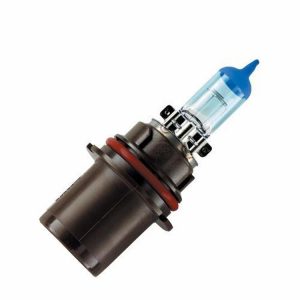
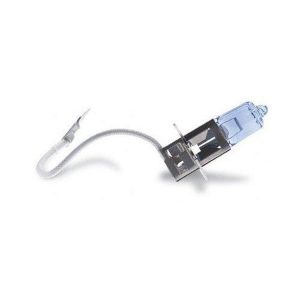
PIAA 9004 (HB1) Xtreme White Plus Bulb 55w 4000K
- PIAA 9004 (HB1) Xtreme White Plus replacement bulb, 55w and 4000K, part number 19014
- Cool white beam, with XTRA Technology claimed to add light over rated power
- Universal fit, so the 9004 (HB1) base type decides suitability
- UPC 722935190143
SKU: PIA19014 -
-
-
-
-
-
-
Replacement Bulbs
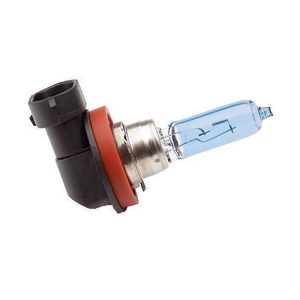
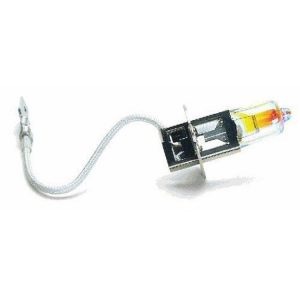
PIAA H10 Xtreme White Plus Bulb 45w 4000K
- PIAA H10 Xtreme White Plus replacement bulb, 45w and 4000K, part number 15210
- Cool white output for road hazards and street signs.
- Universal fit, so the H10 base type is the sizing check
- XTRA Technology gas mix and aerospace alloy filament, UPC 722935152103
SKU: PIA15210 -
-
Replacement Bulbs
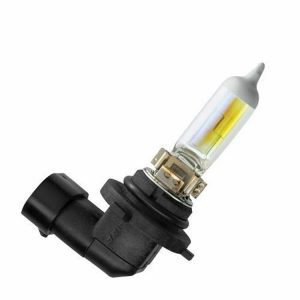
PIAA HB (9005 / 9006) Plasma Ion Yellow Bulb 55w 2500K
- PIAA HB (9005 / 9006) Plasma Ion amber bulb, part number 13516, 55w and 2500K
- Plasma Ion coating turns white light into amber light without weakening the beam
- Universal fit, matched by the HB (9005 / 9006) base
- Clear glass bulb, UPC 70000466353
SKU: PIA13516

Finding the right bulb number
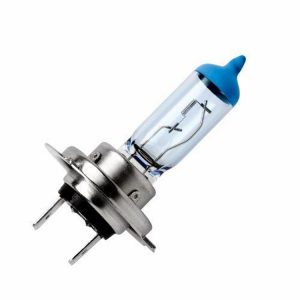
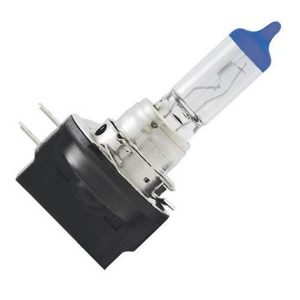
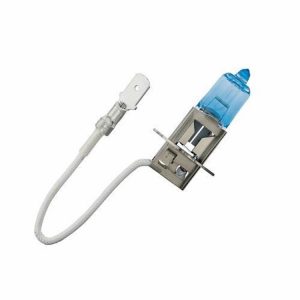
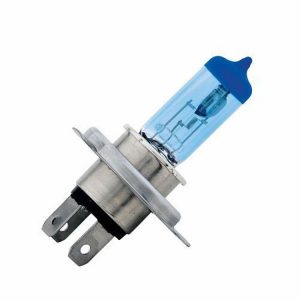
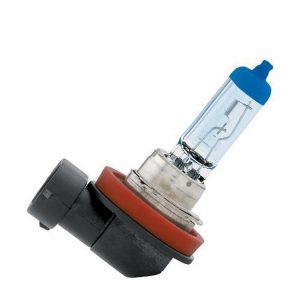
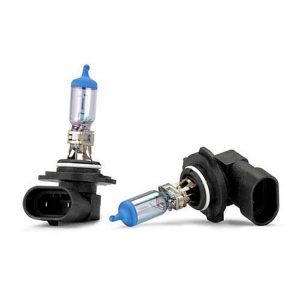
Automotive bulbs are identified by a code, such as H7, H10, 9005 (HB3) or 9006 (HB4). The code defines the base, the number of filaments and the electrical connector. Different numbers cannot be swapped even when they look alike, so start with the number in the owner's manual or stamped on the old bulb. Then confirm which position it serves: low beam, high beam, fog light, turn signal or tail light often use different codes on the same vehicle.
Halogen versus LED
Halogen bulbs are the factory standard for many vehicles. They are inexpensive to replace, work in housings designed for them and have predictable beam patterns. Standard output versions replace like for like, while upgraded halogens trade life for extra light.
LED replacement bulbs run cooler and can last longer, but they are not simple swaps in every housing. A reflector or projector designed around a halogen filament may scatter light if the LED emitters sit in the wrong position. Look for a design that matches the filament location, and aim the lights after installation. Some vehicles flag a bulb-out warning with LEDs because the lower current draw looks like a failure, so a resistor or adapter harness may be required.
Specs to compare
- Wattage and voltage: typical 12 V bulbs run from a few watts to 55 W for halogen headlights. Do not exceed the rating of the socket or wiring.
- Color temperature: measured in kelvin. Warmer yellow bulbs suit fog and bad weather, while cooler white looks crisper. Very blue bulbs often reduce usable light.
- DOT or SAE marking: look for this on headlight bulbs. Lighting rules vary by state, so check local regulations before using colored or off-road-only bulbs on public roads.
- Single or dual filament: a dual-filament bulb handles both functions in one base.
Installation notes
Turn off the lights and let the old bulb cool. Avoid touching the glass of a halogen bulb with bare fingers, because skin oil can create a hot spot and shorten its life. Handle it by the base or wear clean gloves. Seat the bulb fully, reconnect the plug and test before closing the housing. Replace bulbs in pairs when possible so that both sides match in brightness and color, and check beam aim afterward.
Always confirm the bulb number and fitment for your exact year, make and model against the manufacturer's specifications.
Common pairings and mistakes
Headlights and fog lights are best serviced as sets, but several other related parts affect how well new bulbs perform. A cloudy or yellowed lens scatters light no matter how good the bulb is, so polishing or replacing foggy headlight lenses can make a larger difference than a bulb swap. Corroded or melted connectors reduce voltage at the bulb, so inspect the harness and replace pigtails if the plastic looks heat damaged.
- Do not mix color temperatures between the left and right headlights, because uneven color is distracting and can look like a failure.
- Do not exceed the stock wattage in older housings. High-wattage bulbs can melt sockets and wiring that were not designed for the load.
- Keep spares. A spare of each commonly used number, such as a headlight bulb and a small marker bulb, saves a trip home from the trail.
- Store bulbs in their packaging so the glass stays clean and protected.
Aim headlights after replacement, particularly on lifted vehicles, since raised ride height tilts the beam upward and can dazzle oncoming drivers.
Popular Replacement Bulbs brands
- Piaa Lighting (52)
- Hella (35)
- Recon (14)
- Putco (13)
- Crown Automotive (9)
- ARB 4x4 Accessories (8)
- Vision X Lighting (6)
- Omix-Ada (5)
- Rugged Ridge (2)
- In Pro Carwear (2)
- KC HiLites (2)
- Jeep (1)
Replacement Bulbs FAQ
How do I know which headlight bulb I need?
Check the owner's manual, the number printed on the old bulb base or the vehicle's bulb chart. Remember that low beam, high beam and fog lights often use different numbers, so verify each position separately.
Can I replace halogen bulbs with LED bulbs?
Often yes, but results depend on the housing. Reflector and projector housings are designed around a halogen filament, so a poorly matched LED can scatter light. Check the bulb design, aim the lights and verify local regulations.
Why does my new bulb burn out quickly?
Common causes are skin oil on the glass, loose sockets, moisture in the housing, voltage problems or a vibration-prone mount. Handle halogen bulbs by the base and check the connector and wiring.
Should I replace bulbs in pairs?
It is a good idea. Bulbs dim and shift color over time, so a single new bulb can look noticeably different from the old one. Replacing both keeps output and color even.