
Leveling Kits
Showing 145–156 of 175 resultsSorted by popularity
-
-
-
-
Suspension Leveling Kits
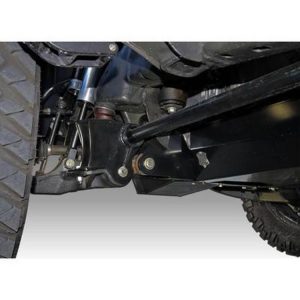
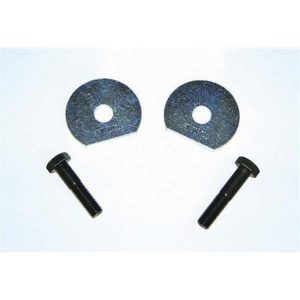
Icon Suspension Torsion Bar Relocator Kit – 78703
- Icon Suspension 78703 torsion relocation system for GM HD pickups
- Fits 2011-2015 Chevrolet Silverado and GMC Sierra 2500 HD and 3500 HD
- Keeps the factory torsion bar in its factory location
- Must use stock torsion keys
- Part of Icon lift kits K78301, K78302 and K78303
SKU: ICO78703 -
-
-
Suspension Leveling Kits
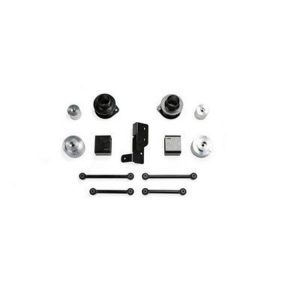
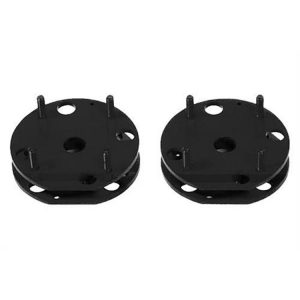
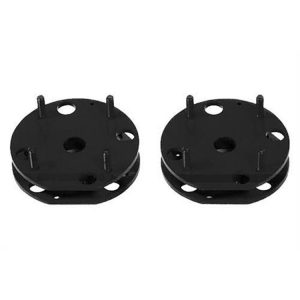
2014 GM 1500 6in SPACER KIT W/ MAGNARIDE
- Direct-fit Fabtech 6-inch spacer kit with Magnaride for 2014–2017 GMC Sierra 1500 trucks
- Listed trims: Base, Denali, SLE and SLT
- Fabtech part number FTS21221, UPC 674866099432
- Check included hardware against your installation
SKU: FABFTS21221 -
-
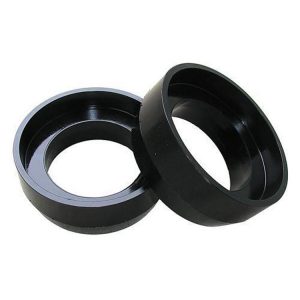
Coil Spring Spacer
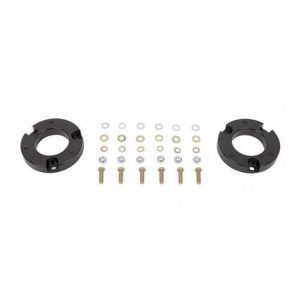
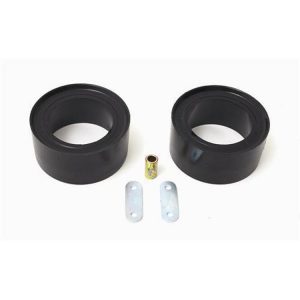
Fabtech Coil Spring Spacer Lift Kit – FTS21138
- Fabtech FTS21138 coil spring spacer lift kit
- Two spacers with installation instructions
- Direct fit on listed 2014 and 2015 Chevrolet and GMC models
- Fits 2014 Silverado 1500 and Sierra 1500, 2015 Suburban, Tahoe and Yukon XL
SKU: FABFTS21138 -
Coil Spring Spacer
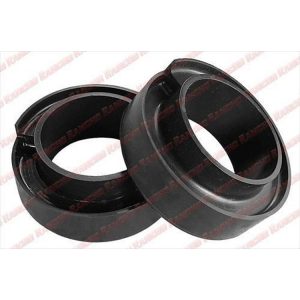
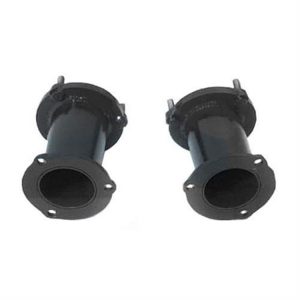
Fabtech Coil Spring Spacer Lift Kit – FTS21064
- Fabtech FTS21064 rear coil spring spacer kit
- Two spacers with installation instructions
- Direct fit on listed 2007 to 2013 Chevrolet Avalanche, Suburban 1500, Tahoe and GMC Yukon models
- Rear position; lift height not stated
SKU: FABFTS21064





What a leveling kit does
Many pickups and SUVs leave the factory with the front slightly lower than the rear to accommodate a load in the bed. A leveling kit raises the front end, typically by roughly one to three inches, so the vehicle sits level and has room for slightly larger tires. It is a lighter, simpler option than a full lift kit and usually keeps the factory suspension geometry.
Types of leveling kits
The method depends on your front suspension design.
- Coil spring spacers sit on top of or under the coil spring on solid-axle or coil-sprung trucks and add ride height at a low cost.
- Strut spacers lift the strut assembly on independent front suspension vehicles that use coil-over struts.
- Torsion bar keys replace the factory key so the torsion bar can be rotated higher, common on many GM and Ford trucks.
- Complete suspension leveling kits pair new shocks or coil-overs, such as Bilstein 6112 units, with the lift hardware for a matched setup.
- Rear spacers and load-level kits restore height at the back where a vehicle sags.
Key points to compare
Check the lift height listed for the front and whether the kit is front only. Look at whether the kit includes extended-length shocks or recommends them, since the factory shock may run out of travel as it is stretched. Spacer material, finish and included hardware matter for durability and corrosion resistance.
Consider tire size. Some kits list a maximum tire size and wheel backspacing, and one torsion bar key set in the sample listings states a 33 inch maximum tire, so read each description for limits.
Note that a leveling kit changes ride and handling slightly. Raised front ends can affect headlight aim, driveshaft angles and CV axle angles on some vehicles.
Installation and alignment
Suspension work involves compressed springs and load-bearing parts. A professional installation is recommended unless you have the proper spring compressors, jack stands and experience. Torque all fasteners to the manufacturer's specifications.
A front alignment is needed after any change in ride height, and you should re-check headlight aim. Lift height, tire size and equipment rules vary by state, so check your local regulations before modifying ride height.
Pairing a leveling kit with tires and shocks
A leveling kit is often the first step in a larger plan, so think about what comes next. Added front height gives room for a modest increase in tire diameter, but check clearance at full steering lock and full compression, where tires can rub on the fender liner, control arms or sway bar. Measure the available space before buying tires instead of assuming a kit alone will clear them.
- Longer front shocks restore full travel if the kit stretches the factory shock close to its limit
- Check that brake lines and ABS wires have enough slack at full droop
- Torsion bar adjustments can be reset later, but never exceed the maximum the vehicle manufacturer allows
- Larger tires change gearing, speedometer reading and braking distance
- Heavier wheels and tires add steering and suspension wear
One common mistake is leveling a truck that regularly carries a heavy bed load or a camper. Because the rear sags under that weight, the front may end up looking high when the vehicle is empty, and handling can feel light. If you tow or haul, test the vehicle loaded and consider rear helper springs or load-level spacers to keep the stance balanced.
Popular Leveling Kits brands
- ReadyLift (29)
- Rough Country (28)
- Tuff Country (12)
- Rubicon Express (12)
- Fabtech (11)
- Pro Comp Suspension (10)
- Bilstein (10)
- TeraFlex (7)
- Trail Master (7)
- Rancho (7)
- Daystar (6)
- ICON Vehicle Dynamics (6)
Shop Leveling Kits by type
- Suspension Leveling Kits (103)
- Coil Spring Spacer (61)
- Torsion Bar Key (9)
- Strut Spacers (2)
Leveling Kits FAQ
How much can I level my truck?
Typical kits raise the front about one to three inches, but the right amount depends on your suspension design and tires. Staying within the manufacturer's stated lift height helps preserve CV axle and steering angles. Check the manufacturer's stated lift height and your suspension type, since the amount depends on whether you use spacers, keys or a full kit.
Will a leveling kit hurt ride quality?
Spacers generally keep the factory springs and shocks, so the ride feels similar, though the shocks sit closer to full extension. Pairing the lift with correctly sized shocks usually gives the best result.
Do I need an alignment after leveling?
Yes. Changing ride height alters camber, caster and toe, so schedule an alignment right after installation to protect tires and steering feel. The exact figure depends on your suspension type and tires.
Is a leveling kit the same as a lift kit?
No. A leveling kit mainly raises the front to match the rear, while a lift kit raises the whole vehicle and often includes new springs, shocks and control arms for added ground clearance.