
Body Lifts & Bushings
Showing 205–216 of 258 resultsSorted by popularity
-
-
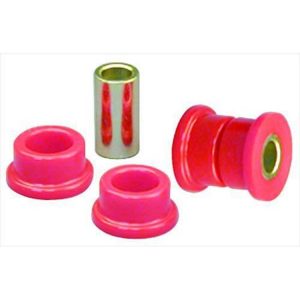
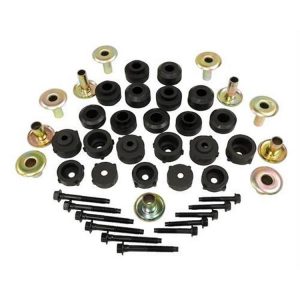
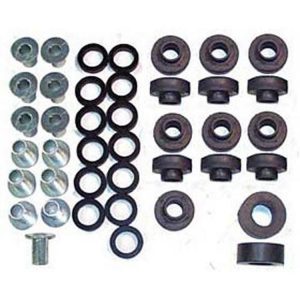
Body Mount Kit
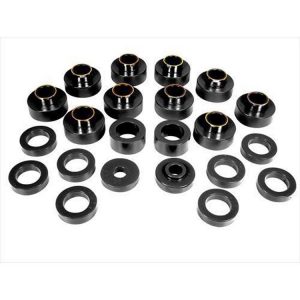
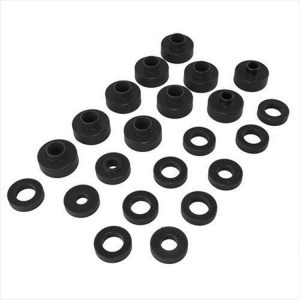
Prothane Motion Control Body Mount Kit (Red) – 1-105
- Prothane Motion Control 1-105 red polyurethane body mount bushing kit
- Includes body mount bushings only; bolts are not included
- Polyurethane construction in a red finish
- No vehicle years or models listed, so fitment is not confirmed
- Will not work with fiberglass bodies
SKU: D/I1-105 -
-
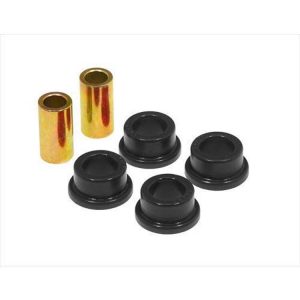
Body Mount Kit
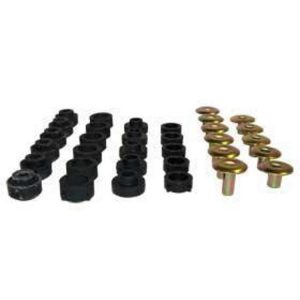
Prothane Motion Control Body Mount Kit (Black) – 1-102-BL
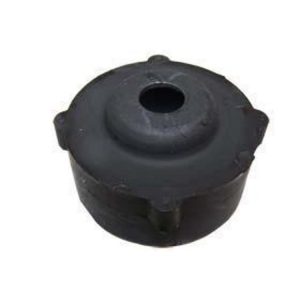
- Prothane 1-102-BL black polyurethane body bushing kit
- Fits 1976–1979 Jeep CJ5 and CJ7 models, including Base, Golden Eagle and Renegade trims
- Replaces worn stock body bushings
- Bolts not included; not for fiberglass bodies
SKU: D/I1-102-BL -
-
-
-
-


Body lifts vs. bushings
This category combines two related jobs. A body lift raises the body on the frame using spacers or pucks at the body mounts, creating room for larger tires without changing suspension geometry. Bushings, on the other hand, are the rubber or polyurethane cushions between suspension components and the frame, axle or body. Worn bushings cause clunks, loose steering and uneven tire wear.
Body lift basics
A body lift typically adds one to three inches of body-to-frame space. It does not raise ground clearance at the axles, differentials or frame, so it is mainly a way to fit larger tires and fill the fender gap. Because the frame stays put, the center of gravity changes little.
- Check whether the kit covers bumpers, shift linkage, fuel filler and radiator shroud adjustments, as taller lifts may require extension of those parts.
- Look at puck material: fiberglass-reinforced nylon, aluminum and other solid pucks are common, and hardware should be high grade.
- Higher lifts may need steering shaft or brake line attention, and some vehicles need a gap guard under the cab or between the body and bumper.
Choosing bushings
- **Rubber.** Closest to factory ride quality, quiet and flexible, suited to daily-driven vehicles.
- **Polyurethane.** Firmer and longer lasting, with more precise handling, but it can transmit more noise and harshness and may squeak without proper grease.
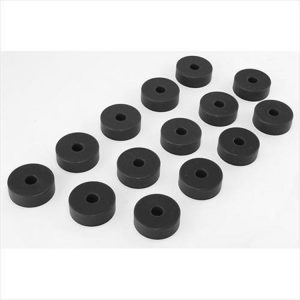
- **Sets vs. singles.** Master bushing kits cover many positions at once; single kits cover leaf spring eyes, shackles, track bars, sway bars, C-bushings and radius arms.
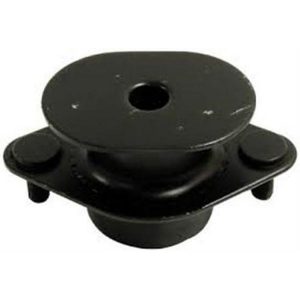
Choose the exact position you are replacing, such as the front or rear leaf spring, track bar or shock mount. Bushing sets are position specific.
Installation notes
Bushing replacement often requires a press, heat or specialized removal tools to remove old sleeves, and suspension should be supported at ride height when tightening so the bushings do not bind. Torque fasteners to specification and have the alignment checked afterward. Body lift installation involves unbolting the body from the frame, so it is a good job for a helper and a good time to inspect the mounts and hardware.
Suspension and steering parts are safety related. If you are not experienced, use professional installation, torque to the manufacturer's values, and confirm fitment for your year, make and model. Lift height and tire size rules vary by state, so check local regulations.
Before ordering a body lift, measure the clearance between the body and frame and check how many body mounts your vehicle has, since kits are made for a specific count and cab style. Check the hardware length and whether the kit includes extended bolts. For bushings, identify the exact location and measure the old bushing's outer diameter and length, because several look alike but differ slightly.
Useful pairings include new sway bar links with sway bar bushings, new shackles with leaf spring eye bushings, and an alignment after steering or track bar work. Common mistakes are using too much grease on rubber bushings that should stay dry, tightening bushing bolts with the suspension hanging at full droop, and ignoring worn ball joints while replacing only the bushings. Inspect bushings and body mounts yearly for cracks, splits and loose hardware.
Popular Body Lifts & Bushings brands
- Daystar (104)
- Energy Suspension (67)
- Crown Automotive (22)
- Prothane (22)
- Prothane Motion Control (11)
- Omix-Ada (5)
- Skyjacker (5)
- Moog (5)
- Rough Country (3)
- Mountain Off Road Enterprises (3)
- Artec Industries (2)
- Rugged Ridge (2)
Shop Body Lifts & Bushings by type
- Body Lift Kits (85)
- Body Mount Kit (77)
- Body Lift Gap Guard (20)
- Leaf Spring Bushings & Pads (14)
- Axle Pivot Bushing (13)
- Shock Absorber Bushing (9)
- C-Bushing (8)
- Track Bar Bushings (7)
- Sway Bar Link Bushing (6)
- Radius Arm Bushing (4)
- Master Bushing Kit (4)
- Sway Bar Bushings & Brackets (3)
- Leaf Spring Shackle Bushing (3)
- Sway Bar Link Kit (2)
- Strut Rod Bushing Kit (1)
- Ball Joint Dust Boot (1)
- Rack & Pinion Bushing (1)
Body Lifts & Bushings FAQ
Does a body lift improve ground clearance?
Not at the axles, frame or differentials. A body lift raises only the body on the frame, so its main benefit is tire clearance and a larger wheel-well gap. For more clearance underneath, you need a suspension lift or larger tires.
Are polyurethane bushings better than rubber?
They are firmer and last longer, giving tighter handling, but they can add noise and vibration and need proper lubrication. Rubber is quieter and more compliant. The right choice depends on how the vehicle is driven.
How do I know if my bushings are worn?
Common signs include clunks over bumps, vague steering, wandering at highway speed, uneven tire wear and visible cracks or splits in the rubber. A pry bar inspection by a mechanic can confirm excess movement.
Do I need an alignment after replacing bushings?
Often yes, particularly after control arm, track bar or radius arm work. Loose or new bushings can change suspension geometry slightly. An alignment after the vehicle is at normal ride height helps protect your tires.