
Shock Mounts
Showing 37–48 of 72 resultsSorted by popularity
-
-
-
-
Shock Mounts
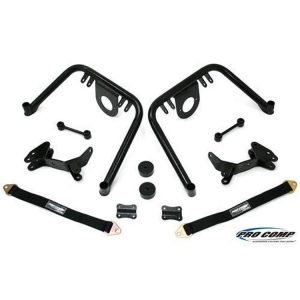
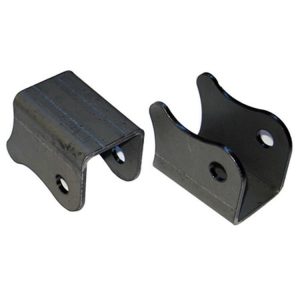
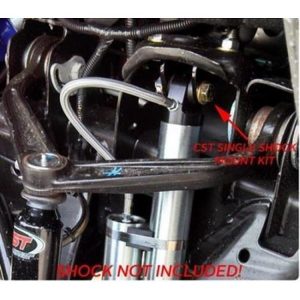
California Supertrucks Dual Shock Bracket – CSS-C5-7
- Dual front shock bracket kit for 2011-2015 Chevrolet Silverado and GMC Sierra 2500HD and 3500 trucks
- Includes a pair of upper and lower dual front shock mounting brackets
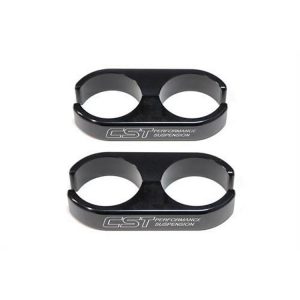
- Black anodized reservoir shock clamps for a 2.0 shock or reservoir body
- Includes all necessary installation hardware
SKU: CSTCSS-C5-7






What shock mounts do
A shock absorber is only as secure as the points it bolts to. Mounts and brackets weld or bolt to the frame, axle tube or crossmember and set the shock's angle, position and available travel. Aftermarket brackets are often needed when a lift, longer shocks or a coilover conversion changes the geometry.
This category includes complete shock systems, stem eliminator kits, relocators and bracket sets.
Types of products
- Relocation brackets move the factory mount to a position that suits longer shocks or taller springs.
- Coilover brackets, such as rear coil-over kits, hold a coilover shock above the axle and replace the original spring perch.
- Stem eliminator kits replace the upper stud-style mount with a bolt-through design.
- Replacement OEM-style brackets restore a bent or rusted original mount.
- Dual shock systems add a second shock per wheel position for more damping.
Choosing and checking fitment
Match the bracket to the vehicle's frame, axle and suspension layout. Mounts for a Jeep YJ differ from those for a TJ or JK, and a bolt-on bracket that suits one will not suit another. Confirm fitment for your exact year, make and model, and check the lift height and shock length the bracket is designed for.
Look at material thickness, gusseting and whether the bracket bolts on or must be welded. Welded designs are typically stronger when installed correctly but need fabrication skill.
Installation and safety
These parts carry suspension loads, so mistakes can lead to failure on the road or trail. Bolt-on brackets need correct hardware and torque values, and welded brackets need clean steel, proper alignment and good welds. Verify shock angle and full-travel clearance with the vehicle on stands and the suspension cycled.
Professional installation is recommended for welded mounts and for any change to suspension geometry. After installing, check alignment, re-torque fasteners after the first miles and inspect for movement or cracks regularly.
Further checks and care
Questions to ask before you choose
Think about how much travel you want and what shock body diameter you plan to run. Larger shocks need more room and sturdier mounting. Ask whether your axle brackets are already built for coilovers, and whether the frame side has the strength to carry the load without added reinforcement. Planning shock length at full droop and full compression before buying brackets avoids a lot of rework.
Measuring and confirming fitment
Measure the shock's compressed and extended lengths, and compare them with the travel your suspension actually uses. Check the mounting hole diameter and width at both ends, along with the stud or bolt size. Brackets should place the shock as close to vertical as possible, because steep angles reduce its effectiveness. With the axle at full compression and full droop, confirm that the shock, spring and tire all clear one another and the brake lines.
Materials and maintenance
Mounts are commonly laser-cut steel plate, sometimes with gussets or a tube-style shape. Mild steel is easy to weld and repair, while stainless or chromoly are less common. Coat bare steel to stop rust. Inspect mounts regularly for cracks around welds, elongated holes and loose bolts, particularly after heavy trail use. Replace worn bushings or sleeves, because they let the shock move and accelerate wear on the bracket.
Popular Shock Mounts brands
- Fabtech (18)
- Pro Comp Suspension (9)
- Rubicon Express (7)
- California Super Trucks (5)
- Crown Automotive (5)
- Skyjacker (4)
- Trail Gear (4)
- TeraFlex (4)
- Warrior (4)
- Mountain Off Road Enterprises (3)
- Artec Industries (3)
- Daystar (2)
Shock Mounts FAQ
Do I need new shock mounts after a lift?
Often yes. A lift changes shock angle and length, and the stock mounts may not position longer shocks correctly. Check the lift kit instructions, which will state whether new mounts or relocators are needed.
Can I weld shock mounts to the axle myself?
Only with proper skill and equipment. Poor welds can crack and cause suspension failure. Axle tubes need correct prep and sometimes preheating, so many owners have a qualified fabricator do the work.
What does a shock stem eliminator do?
It replaces the stud-style upper mount with a bolt-through bracket, giving more secure attachment and often allowing longer shocks. Confirm it fits your shock and mount style before installing.