
Grille Inserts
Showing 25–36 of 118 resultsSorted by popularity
-
-
-
Grille Inserts
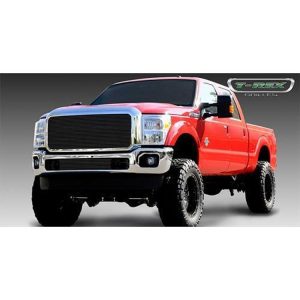
T-Rex Grilles Billet Grille Insert ( Black) – 20546B
- Fits 2011–2016 Ford F-250 Super Duty and F-350 Super Duty per the manufacturer list
- Black powder-coated billet aluminum horizontal grille insert
- Bolt-on design with no cutting
- Part number 20546B, UPC 609579012386
- Optional logo plate available
SKU: T/R20546B -
Grille Inserts
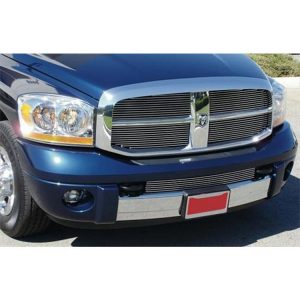
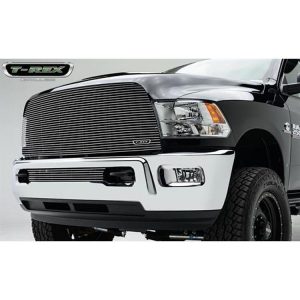
T-Rex Grilles Billet Grille Insert (Polished Aluminum) – 20467
- Fits 2006–2008 Dodge Ram 1500, 2500 and 3500 pickups in the trims covered
- T-Rex Grilles part number 20467, billet grille insert
- Polished aluminum finish with a horizontal bar layout
- Four-piece (4 pc.) style insert with a bolt-on design
- UPC 70000477511
SKU: T/R20467 -
-
Grille Inserts
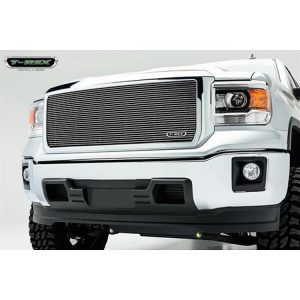
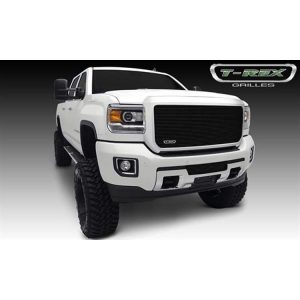
T-Rex Grilles Billet Grille Insert (Polished Aluminum) – 20208
- Lists fit for the 2014–2015 GMC Sierra 1500 in Base, SLE and SLT trims
- T-Rex Grilles part number 20208, polished aluminum billet grille insert
- Horizontal style with a direct, bolt-on mount
- Billet aluminum with glossy powder-coat and a three-stage polish
SKU: T/R20208 -
Grille Inserts
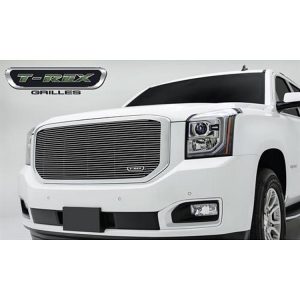
T-Rex Grilles Billet Grille Insert (Polished Aluminum) – 20169
- Fits the 2015–2018 GMC Yukon in Denali, SLE and SLT trims, per the manufacturer fitment list
- T-Rex Grilles part number 20169, polished aluminum billet grille insert
- Horizontal bar style with a direct, bolt-on fit
- Aircraft quality T-5 or T-6 billet aluminum with glossy powder-coat
- Three-stage polishing and cleaning as the final manufacturing step
SKU: T/R20169 -
-
Grille Inserts
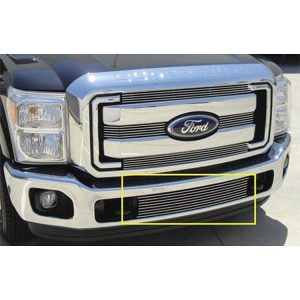
T-Rex Grilles Billet Bumper Grille Bolt-On Insert – 25546
- Fits 2011-2016 Ford F-250 Super Duty (King Ranch, Lariat, XL, XLT trims)
- Fits 2011-2016 Ford F-350 Super Duty (King Ranch, Lariat, XL, XLT trims)
- Horizontal billet bumper grille bolt-on insert, part number 25546
- Polished aluminum, mounts between the tow hooks
SKU: T/R25546 -
Grille Inserts
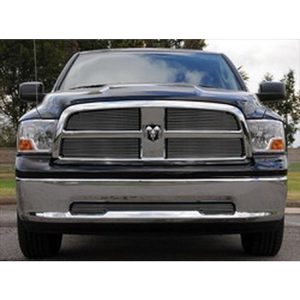
T-Rex Grilles Billet Bumper Grille Insert – 25456
- Fits 2009-2013 Dodge Ram 1500 and Ram 1500 (Laramie, SLT, ST, Sport trims)
- Fits 2012 Ram 3500 (Laramie)
- Horizontal billet bumper grille insert, part number 25456
- Polished aluminum finish
- Made for a bumper with tow hooks removed
SKU: T/R25456


What a grille insert is
A grille insert fits into or over the opening in the front fascia. Some replace the stock slats entirely, and others are overlays that attach with clips, screws or adhesive tape. Beyond looks, a mesh or perforated insert can block some road debris from reaching the radiator and condenser, although coverage varies by design.
Some listings here, such as grille kits from Rigid Industries, are built to house auxiliary lights as well.
Styles and materials
- Mesh inserts use stainless or powder-coated steel or aluminum screen for an aggressive look and added debris protection.
- Billet inserts use machined aluminum bars in brushed or polished finishes.
- Chrome or black overlays replace the factory slat look with a simple swap.
- Light-ready kits provide cutouts or brackets for LED bars.
What to confirm before choosing
Fitment is the biggest variable. Grille shapes change between model years even within one generation, so match the insert to your exact year, make and model. Samples here include Jeep YJ, TJ and later Wrangler designs, and the details differ.
Check whether the insert replaces or overlays the stock grille, what hardware is included, and whether it works with factory features like sensors or a camera. Airflow matters as well, especially if you tow, run a winch or drive in hot climates. A very dense mesh can restrict flow, so look at the open area.
Finish and care
Powder coating and anodizing hold up well on the trail, though rock chips and road salt can still affect any finish. Rinse off mud and salt, and touch up scratches on painted or coated steel to head off rust. Polished and chrome surfaces need regular cleaning and protective wax to keep their shine.
Installation is usually light work with hand tools. Remove the stock grille carefully, since clips and tabs are fragile, and test fit the new insert before final tightening. If you add lights, route wiring away from the radiator fan and use a proper relay and fuse. Lighting rules vary by state, so check local regulations.
Further checks and care
Maintenance and fitment checks
Before installing, compare the insert to your factory grille and note any sensors, emblems or clip locations. Test fit without removing protective film. After installation, check that the hood still latches, that nothing rubs the radiator support and that headlights and turn signals remain visible. Clean mesh with a soft brush, since mud and insects collect behind it and can slow airflow to the radiator.
Materials and construction
Inserts are typically stamped steel, aluminum or molded plastic, and the finish matters as much as the base metal. Powder coat is durable and easy to touch up. Chrome plating can pit when exposed to road salt, and polished aluminum oxidizes without protection. Welded mesh holds its shape better than loosely formed screen. Inspect the edges for sharp burrs, since they can scratch paint and hands during installation and may need to be filed and sealed.
Mistakes to avoid and common pairings
Avoid forcing an insert that does not seat, as the grille shell can crack. Do not assume overlays and full replacements use the same hardware. Pair an insert with matching bumper or hood details if you want a consistent look. If you add lighting, check how the brackets sit with respect to the radiator and the hood latch. Photograph the original arrangement first so you can restore it if you change your mind.
Popular Grille Inserts brands
- T-Rex Grilles (44)
- Smittybilt (25)
- Rigid Industries (18)
- Rugged Ridge (14)
- Street Scene (7)
- Drake (5)
- Carriage Works (3)
- Nfab (3)
- Putco (2)
- Rampage (2)
- RT Off-Road (2)
- Westin (1)
Grille Inserts FAQ
Will a mesh grille insert cause overheating?
A properly designed insert should leave enough open area for airflow. Dense or double-layer mesh can restrict flow, so watch temperatures after installing, especially when towing or driving in hot weather.
Do grille inserts fit every model year?
No. Grille openings and mounting points change between years and trim levels. Confirm that the insert lists your exact year, make and model, and read the product notes on fitment.
Can I paint or powder coat an insert?
Many can be refinished, but the answer depends on material and existing coating. Billet aluminum, steel mesh and plastic each need different prep. Check the manufacturer's guidance before refinishing to avoid damaging the original finish.