
Electrical
Showing 121–132 of 171 resultsSorted by popularity
-
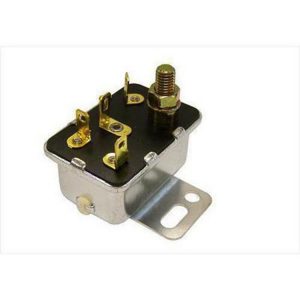
Quick Connect Booster Assembly
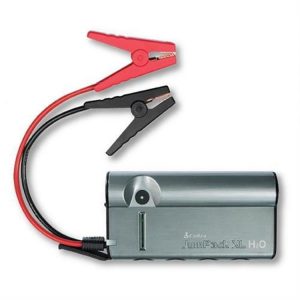
Cobra JumPack XL H2O – CPP15000
- Jump starts large V8 gasoline and diesel engines
- Two jump methods: traditional jumper cables or the 12-volt port (CLP)
- Two USB outputs rated 3 amp each for 5 Volt devices
- UL 2347 certified, with 12V DC car and 120V AC wall chargers
- Built-in flashlight with SOS and strobe functions
SKU: COBCPP15000 -
Switch Pods
ARB 4X4 Accessories LINX Vehicle Accessory Interface – LX100
- Single controller that replaces dash switches, gauges and monitors
- Bluetooth touchscreen display that mounts within reach of the driver
- Six pre-installed modules, including traction, compressor and battery monitor
- Expandable platform, universal fit
- ARB part LX100, UPC 9332018047342
SKU: ARBLX100 -
-
-
Switch Pods
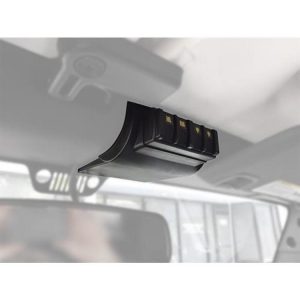
Advanced Accessory Concepts Trigger JK Overhead Switch Panel – 2008
- Overhead mount for the Trigger 4 RF remote on 2007–2017 Jeep Wrangler JK
- No-tools, no-drill installation above the windshield
- Plastic body with steel sub-structure and clip attachment
- Advanced Accessory Concepts part 2008, UPC 858208006948
SKU: AAC2008 -
-
Switch Pods
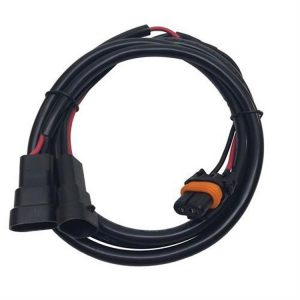
Advanced Accessory Concepts Trigger 36″ Connector Harness – 2005
- Extends the Trigger Accessory Control System to a second accessory
- 36-inch, 12 gauge offset harness with a 6-inch leg and a 30-inch leg
- Sealed wires, waterproof connectors and shielded insulation
- Universal fit, not tied to a specific vehicle
- Part number 2005
SKU: AAC2005 -
Switch Pods
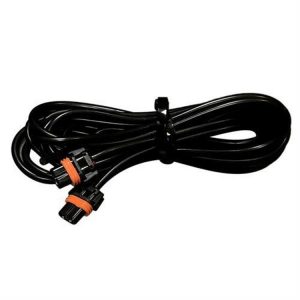
Advanced Accessory Concepts Trigger Switch Harness (14 Gauge) – 2003
- Advanced Accessory Concepts Trigger switch harness, 14 gauge, 6-foot length
- Extends the usable length of the Trigger Wireless Solid State Relay System
- Universal fit, not vehicle-specific
- Also offered in 12 gauge
- Part number AAC2003, UPC 858208006726
SKU: AAC2003 -







Parts you will find here
This category groups electrical components that either control accessories or keep an engine running. Typical products include switch pods and control systems that organize accessories, rocker and key switches, fuse blocks, light wiring kits, ignition switches and replacement starters. Browsing the subcategories is the fastest way to find a part type, and product pages give the part number and a vehicle note where it applies.
Accessory control and switching
- Switch panels and pods: collect the controls for lights, compressors and other add-ons into one panel.
- Individual switches: rocker, toggle and key switches. A 16 mm round mounting hole is typical for some flush-mount switches, so check panel cutout dimensions.
- Relays and trigger systems: let a small switch control a high-current load safely.
- Light wiring kits: bundle a harness, relay and switch for fog or driving lights.
Fuses and protection
Every accessory circuit needs a fuse or breaker sized to the wire, not to the device. A fuse block gives accessories a protected power source with labeled positions. Use wire gauge that suits the current and length of the run, since undersized wire heats up and drops voltage. Keep fuses close to the power source, and use grommets and loom where wires pass through metal or cross hot surfaces.
Starting and ignition parts
Starters and ignition switches are matched to the engine and model year. A starter listing may be for a specific engine, such as a 4.0L six-cylinder. Verify the engine, transmission type and mounting configuration before choosing a part number. A slow crank or clicking sound can also come from a weak battery, corroded cables or a bad ground, so test those before replacing a starter.
Fitment and installation
Confirm fitment for your exact year, make, model and engine, and compare the part number with your existing component where possible. Always disconnect the battery before working on the electrical system, use a multimeter to check circuits and avoid overloading circuits. Keep connections clean, crimped and sealed against moisture. If you are not comfortable with automotive wiring, consult a qualified installer, since electrical faults can cause fires.
Common mistakes and troubleshooting
Most electrical problems trace back to connections rather than parts. A corroded ground strap, a loose terminal or a poorly crimped connector can cause dim lights, intermittent switches and no-start conditions that look like part failures. Clean and tighten the basics first.
- Use a multimeter. Check battery voltage (a healthy resting battery is around 12.6 volts) and voltage drop across suspicious cables.
- Do not use household wire or tape. Use automotive-rated wire with insulation suited to heat and oil.
- Avoid tapping into factory wiring with cheap splice connectors for high-current loads.
- Label the circuits and keep a simple wiring diagram of what you add.
- Protect connections with dielectric grease or sealed connectors in damp areas.
- Replace damaged or brittle insulation on older vehicles before it causes a short.
When buying parts for an older vehicle, compare the connector shape and the number of terminals with your existing part, because small plug differences are common between model years.
Popular Electrical brands
- Painless Wiring (42)
- SPOD (42)
- Rugged Ridge (32)
- Crown Automotive (29)
- Omix-Ada (17)
- Daystar (13)
- ARB 4x4 Accessories (10)
- Advanced Accessory Concepts (8)
- Oracle Lighting (6)
- Powermaster (3)
- Warn (1)
- Flex-A-Lite (1)
Shop Electrical by type
- Switch Pods (76)
- Switches (35)
- Ignition Switch (15)
- Engine Wiring Harness (0)
- Indicators (9)
- Fuse Block (4)
- Starter Components (6)
- Starter (6)
- Dual Battery Isolator (2)
- Wire Sleeve (3)
- Toggle Switch Panel (1)
- Generator Bushing (3)
- Distributor Lead (2)
- Firewall Grommet (2)
- Quick Connect Booster Assembly (2)
- Electrical Connector (2)
- Fuses (2)
- Multifunction Turn Signal Switch (1)
Electrical FAQ
What is the difference between a switch pod and a fuse block?
A switch pod holds the controls for accessories, while a fuse block distributes protected power to circuits. Many systems combine both functions, and either may be paired with relays for high-current loads.
How do I choose wire and fuse sizes for accessories?
Base the fuse on the wire's current rating and protect the circuit, then size wire gauge for the load and the run length. Check the accessory's current draw and the manufacturer's recommended wiring.
Why does my vehicle click but not start?
Common causes are a weak battery, corroded or loose battery cables, bad grounds or a failing starter or solenoid. Test the battery and connections first before replacing a starter.
Will a starter fit any engine in my model?
No. Starters are matched to the engine, transmission and mounting. Confirm fitment for your exact year, make, model and engine, and compare the part number or mounting with your existing starter.