
Replacement Steering Components
Showing 25–34 of 34 resultsSorted by popularity
-
-
-
-
Steering Gear Box
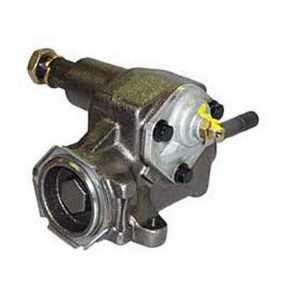
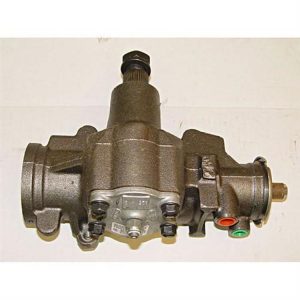
Crown Automotive Steering Gear Assembly – 52038002
- Crown Automotive left hand drive steering gear assembly, part number 52038002
- Fits 1994–2000 Jeep Cherokee (XJ) and 1993–1995, 1997–1998 Grand Cherokee (ZJ) per the manufacturer list
- Does not fit 1996 ZJ models
- UPC 848399014761
SKU: CRO52038002 -
Steering Gear Box
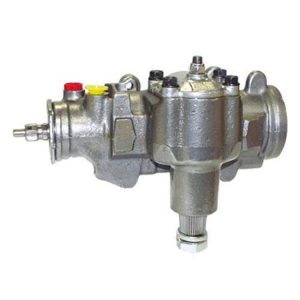
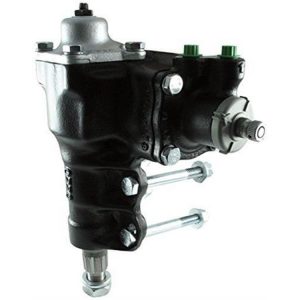
Power Steering Conversion Box
- Fits 1966 to 1977 Ford Bronco and 1975 to 1977 Ford Bronco Sport
- Power steering conversion box, part number 800125, with a 14:1 steering ratio
- Bolts directly to the factory mounting location and fits the stock pitman arm
- Pitman arm, mounting bracket, universal joint and hose kit are not included
SKU: BUC800125





Parts in this section
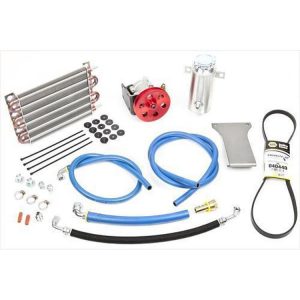
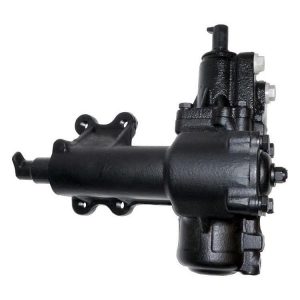
These are the wear and repair items in a steering system, as distinct from complete performance upgrade kits. They include power steering pumps, steering gearboxes and repair kits, tie rod tubes and adjusting sleeves, center links, worm shafts, sector shaft washers, power steering hoses and coolers. Some gearboxes here are OEM-style replacements, while others are cylinder-assist designs with crossover steering for larger tires.
Signs of wear
- Loose or wandering steering, or play in the wheel before the tires respond.
- Whining or groaning from the power steering pump, especially when turning.
- Fluid on the gearbox, pump or hoses, or a low reservoir.
- Uneven tire wear or a crooked wheel after alignment, which may point to bent tie rods.
Choosing the right component
Tie rod adjusting sleeves allow toe adjustment and are a common wear point, often replaced with the tie rod ends. Heavier tie rod tubes, such as swedged DOM steel, resist bending when larger tires or trail hits increase loads, but they typically reuse factory tie rod ends. For pumps, check whether the unit is for a specific engine or a universal high-performance design, and whether it has a remote reservoir. For gearboxes, note the vehicle model, whether power steering is fitted and the steering style, including cylinder assist or crossover designs.
Installation and safety
Steering is a safety-critical system. Support the vehicle on stands, use the correct tools and torque all fasteners to the manufacturer's specification. Use new locking hardware and bleed the power steering system as described in the service instructions, since air causes noise and pump damage. A professional alignment is important after replacing tie rod parts or the gearbox.
Fluid type matters, since some pumps and boxes require a specific power steering fluid. Confirm fitment for your exact year, make and model and check the manufacturer's specifications. If you are uncertain about any step, have a qualified shop do the installation.
Inspect the rest of the steering linkage while you are under the vehicle, including ball joints, the track bar and the pitman arm. Replacing one tired part can reveal play in a neighbor, and addressing everything together saves repeat alignments.
Materials, construction and common pairings
Steering parts are normally made from forged or tubular steel, with alloy steel used where strength matters. Corrosion protection such as zinc plating or coating lengthens life, especially in regions that use road salt. Adjusting sleeves and tubes often use threads that are right-hand at one end and left-hand at the other, so turning them changes length without removing the rod ends. Cylinder-assist gearboxes pair a gearbox with an external hydraulic cylinder that reduces effort with large tires.
Common pairings include a new pump with fresh hoses and a cooler, a tie rod tube with new rod ends, and a gearbox with new pitman arm and drag link hardware. Remote reservoirs and vent line kits help keep fluid free of air, and coolers reduce fluid temperature during heavy use.
Measuring and confirming fitment
Compare thread pitch, taper size and tube diameter against the old part. Pumps vary by pulley type, fitting style and pressure, so match those to your engine. Confirm the gearbox's mounting pattern and shaft spline count.
Popular Replacement Steering Components brands
- PSC Steering (10)
- Crown Automotive (8)
- Moog (6)
- Borgeson Steering (4)
- Trail Gear (3)
- Omix-Ada (1)
- AGR (1)
- Skyjacker (1)
Shop Replacement Steering Components by type
Replacement Steering Components FAQ
How do I know if my steering gearbox is worn?
Signs include excess play at the wheel, wandering, clunks and fluid seepage at the gearbox. A shop can check whether the play is in the box or in the tie rods, joints or track bar.
Do I need an alignment after replacing tie rod parts?
Yes. Tie rod parts affect toe, so an alignment is needed after replacing them. Skipping it leads to uneven tire wear and poor handling. A shop can also check the other steering joints.
What does an adjusting sleeve do?
It joins the tie rod end to the tie rod and lets you adjust the overall length to set toe. Sleeves can corrode and seize over time, so replace them with fresh hardware when worn.
Why does my power steering pump whine?
Common causes are low fluid, air in the system, a worn pump or restricted hoses. Check the fluid level and condition first, and bleed the system if it was opened.