
Wheel Center Cap
Showing 73–84 of 90 resultsSorted by popularity
-
-
Wheel Center Cap
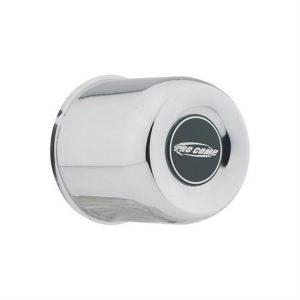
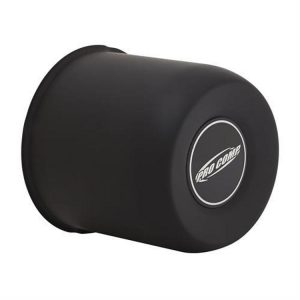
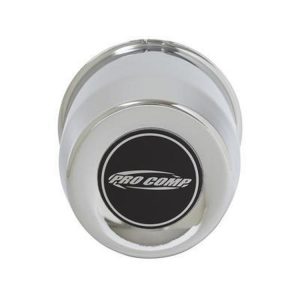
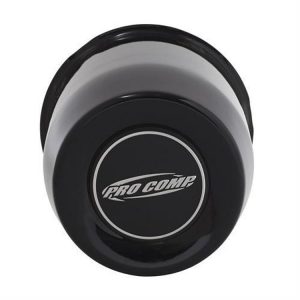
Pro Comp Center Cap – 703365500
- Pro Comp full cover center cap, part number 703365500, flat black
- Fits wheel series 7033 with part numbers ending in 26 and 39.
- Bolt patterns 5×5.5, 6×5.5, 6×135, 5×150, 8×6.5 and 8×170 listed
- Confirm fit for your vehicle’s year, model and trim before ordering.
SKU: PXA703365500







What a center cap does
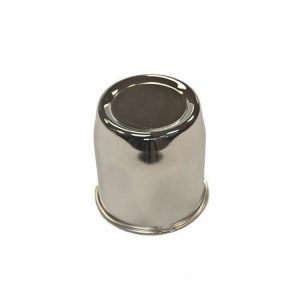
The center cap fills the opening at the middle of the wheel. It protects the hub surfaces from road grime, covers lug nuts or the axle end, and carries the wheel brand logo. When a cap is lost or cracked, replacing it is a quick way to restore a clean look. Some caps are decorative, while others are lock caps used with wheel locks on certain wheels.
How to choose
The most important point is that center caps are wheel-specific. A cap from one wheel line often will not fit another, even when the logo looks similar. Start by identifying the wheel brand, model and part number, often stamped on the back of the wheel or printed in your records. Then match the cap to that wheel.
- Push-through caps: Pushed in from the front and held by tabs or friction.
- Closed caps: Cover the whole center bore and keep out more dirt.
- Lock or pop-top styles: Allow access or add a keyed feature, common on certain wheels.
- Steel wheel caps: Some are made only for steel wheels, as listed in the product notes.
Specs to compare
Look at the center bore dimension, listed in inches or millimeters, and compare it to the opening on your wheel. Note the lug pattern listed, such as 4-lug or 5-lug, if given. Check the cap height and finish, such as satin black, gloss black or chrome, so it matches the wheel. For vehicle-specific caps, such as those for Jeep models, the listing may note 2 and 4-door fit or a particular wheel series.
Fitting and care
Install a cap by aligning it with the bore and pressing evenly, or by tapping it gently with a rubber mallet through a cloth. Do not hammer a metal cap directly. If the cap uses a retaining ring or screw, follow the manufacturer's instructions. A loose cap can fly off at speed, so check that it is seated after the first drive.
Because wheels are a safety item, keep lug nuts torqued to your vehicle's specification and recheck after installing or removing a cap, since a cap can hide a loose nut. Confirm fitment for the exact wheel model and year, and read the manufacturer's specifications. Clean caps with mild soap, avoiding harsh chemicals on painted or clear-coated finishes.
Identifying your wheel and avoiding mistakes
To identify a wheel, look at the back of the spokes or the inside of the barrel for a part number, size and offset. A model name often appears on the front or on the original box. If none of these are legible, measure the cap opening carefully with calipers or a ruler, noting the diameter and depth, and compare the numbers to the listing.
A frequent mistake is assuming that all caps for a brand are interchangeable. Another is choosing by color or logo without checking the bore. A cap that is too small will fall out, and one that is too large may not seat or may crack when forced in. Some wheels use a cap held by a small set screw or a tab that must be aligned with a notch, and forcing it can break the tab.
Keep a spare cap in the vehicle if you drive trails often, because brush and rocks can pop them off. Lock caps have a key or special tool, which should be stored somewhere safe and not lost.
Popular Wheel Center Cap brands
- Pro Comp Alloy Wheels (60)
- Mickey Thompson (12)
- Lrg Rims (12)
- Rugged Ridge (6)
- Excalibur Wheel Accessories (2)
- Jeep (1)
- Gorilla Automotive (1)
Wheel Center Cap FAQ
How do I find the right center cap for my wheel?
Identify the wheel brand, model and size, often cast or stamped on the back. Then match the cap's bore size and style to that wheel. Caps are typically wheel-specific, so verify before choosing.
Can I use a different brand's cap on my wheel?
Sometimes if the bore and mounting style match, but often not. The fit can be loose or the cap may not seat. Use the wheel maker's listed cap or compare dimensions carefully.
What does center bore mean on a cap?
Center bore is the diameter of the cap's mounting section or the wheel opening it fits. It must match the wheel's center opening dimension, which is usually listed in inches or millimeters.
Should I worry about a missing center cap?
It is mostly cosmetic, but a missing cap leaves the hub area open to water and dirt. Replacing it keeps the wheel clean and hides lug hardware, so many owners replace lost caps promptly.