
Manual Transmission Parts
Showing 109–120 of 198 resultsSorted by popularity
-
-
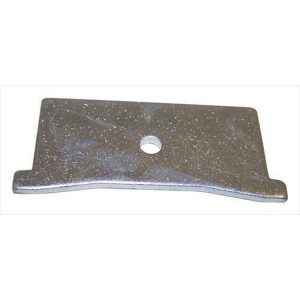
Manual Trans Reverse Idler Plate
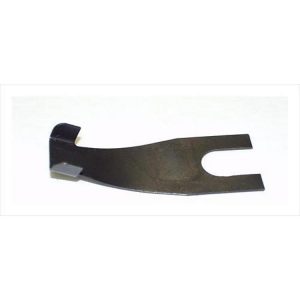
Crown Automotive Transmission Lock Plate – J3192369
- Crown Automotive J3192369 transmission lock plate for the T14 manual transmission
- Covers the reverse idler shaft and countershaft
- Listed fitment: 1967-1972 Jeep CJ5, CJ6, J-series trucks and Wagoneer (SJ)
- Direct-fit replacement, UPC 70000708113
SKU: CROJ3192369 -
-
-
-
Manual Trans Output Shaft Seal
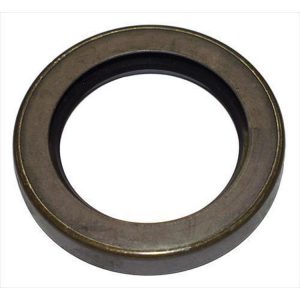
Crown Automotive Manual Trans Output Seal – J0939335
- Crown Automotive manual transmission output seal, part number J0939335
- Designed for T98 or T18 manual transmissions
- Fitment list covers 1959–1979 Jeep CJ3, CJ5, CJ6 and CJ7 models, plus Commando and Willys CJ-series
- UPC 848399055580
SKU: CROJ0939335 -
-
-
Manual Trans Seal Kit
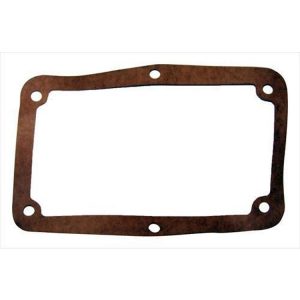
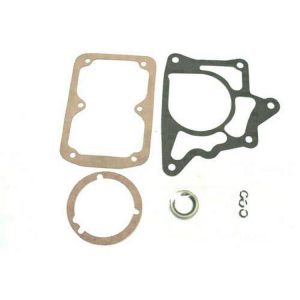
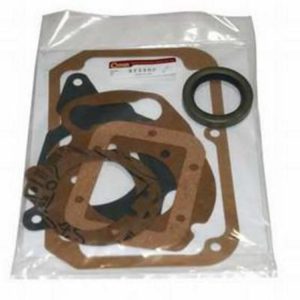
Crown Automotive T18 4 Speed Transmission Gasket Kit – J0923302
- Seal and gasket kit for the Granny Low T-18 4 speed transmission used in CJ models
- Six seals and gaskets, with synchronizer parts, gears and shafts not included
- Fits CJ3, CJ5, CJ6, CJ7, Commando and Willys CJ models from 1955 to 1979
- Crown Automotive part number J0923302
SKU: CROJ0923302 -

What these parts do
A manual transmission uses gears on shafts, with synchronizers that match speeds so gears engage without grinding. Over many miles, the synchro rings, key plates, springs, bearings and seals wear, and the shifter parts loosen. This category covers both internal rebuild parts and external items. Subcategories include synchro key plates, blocking rings, synchro springs, input shaft seals, gaskets, shift knobs, shift boots and label patterns.
Identify the transmission first
Rebuild parts are specific to the transmission model, and titles here reference units like the AX4, AX15 and T4/T5. Identify yours by the tag on the case, the casting numbers, the number of bolts on the cover and the vehicle's engine and drivetrain, and then match the part to it. Parts for different gear positions, such as first-second and third-fourth, are not the same, and manufacturers label them accordingly.
Parts you might need
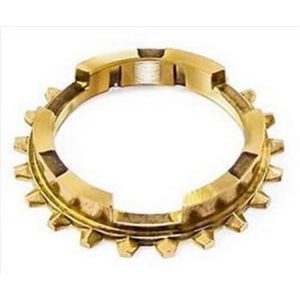
- Synchronizer rings and key plates: worn rings cause grinding when shifting into a particular gear.
- Bearings and seals: an input shaft seal or front bearing retainer seal stops leaks at the bellhousing, and the bearings handle shaft loads.
- Gaskets and hardware: replace these any time the case or cover is opened.
- Shift forks and inserts: worn inserts cause sloppy gear selection.
- Shift knobs, boots and patterns: a cosmetic and comfort refresh that is easy to install.
Rebuild or replace
A transmission rebuild needs a clean workspace, bearing and snap ring pliers, a press for some work and the factory service manual for clearances and torque values. Replace parts as a set rather than one at a time, since a worn gear will quickly damage a new synchro. Some owners prefer a complete rebuilt unit to the labor, and a transmission shop can perform the work if you are not comfortable with it.
Fluid and compatibility
Use the fluid type and fill level that the manufacturer specifies, since some manual transmissions require ATF or special gear oil. Confirm fitment for your exact year, make, model and transmission, and compare part numbers with the manufacturer's specifications before choosing. Replace the clutch hydraulics and pilot bearing if the transmission is already out.
Diagnosis comes before parts. Before opening a transmission, check the simple items. Low or wrong fluid, a clutch that does not fully release, worn shifter bushings and a loose shift linkage all cause symptoms that resemble internal failure. Shift the transmission with the engine off to see whether the gears select cleanly, which separates a clutch problem from a gearbox problem. Noises that change with clutch pedal position point to the clutch or input bearing, while noises that change with gear point to the gear set.
If you do open it, keep everything in order. Photograph each step, bag and label small parts, and clean the case and magnet thoroughly. Inspect gear teeth, shafts and bearing races for chips, pitting and discoloration, and replace anything doubtful. Use the proper assembly lubricant on synchros and bearings, and set endplay and preload where the manual calls for it. After reassembly, fill with the specified fluid, check for leaks and take a careful test drive, shifting through every gear. Parts such as shift knobs and boots are easy upgrades that do not require any teardown.
Popular Manual Transmission Parts brands
- Crown Automotive (106)
- Omix-Ada (55)
- Jeep (16)
- Drake (11)
- Rugged Ridge (6)
- B&M (5)
- Mr. Gasket Company (2)
- Rampage (2)
- RT Off-Road (1)
- Trail Gear (1)
- Energy Suspension (1)
- Skyjacker (1)
Shop Manual Transmission Parts by type
- Manual Trans Shift Knob (28)
- Manual Trans Shift Boot (24)
- Manual Trans Synchro Key Plate (17)
- Manual Trans Shift Lever Kit (3)
- Manual Trans Gaskets (6)
- Manual Trans Synchro Spring (4)
- Manual Trans Blocking Ring (5)
- Manual Trans Synchro Ring (5)
- Manual Trans Input Shaft Seal (5)
- Manual Trans Input Shaft Bearing (4)
- Shift Mode Synchronizer Assembly (5)
- Manual Trans Shift Bushing (5)
- Manual Trans Shift Label Pattern (5)
- Manual Trans Shift Lever (4)
- Manual Trans Rebuild Kit (4)
- Manual Trans Seal Kit (4)
- Manual Trans Shift Boot Ring (3)
- Manual Trans Cluster Gear Bearing/Bushing (3)
- Manual Trans Shift Bezel (3)
- Manual Trans Top Gasket (3)
- Manual Trans Reverse Idler Plate (2)
- Manual Trans Shift Rail Plate (2)
- Manual Trans Shift Fork Insert (2)
- Manual Trans Bearing Retainer (2)
- Manual Trans Mainshaft Bearing (2)
- Manual Trans Output Shaft Seal (2)
- Manual Trans Reverse Gear (2)
- Manual Trans Shift Rail Poppet Ball (2)
- Manual Trans Shifter Cover Seal (2)
- Manual Trans Detent Spring (2)
Manual Transmission Parts FAQ
How do I know which manual transmission I have?
Look for a tag or casting numbers on the case, count the bolts, and check your vehicle's engine and year in the service manual. Titles like AX4, AX15 and T5 name common units. Verify with the manufacturer's data.
What causes grinding when shifting into a gear?
Worn synchronizer rings or key plates are a common cause, but low or wrong fluid, clutch release problems and linkage issues can also grind. Diagnose the clutch and fluid first, then the synchros.
Should I replace seals when the transmission is out?
Yes. Seals and gaskets are cheap relative to the labor of removing the transmission again. Replace the input shaft seal, bearing retainer seal and cover gaskets while it is apart.
Can I rebuild a manual transmission myself?
Experienced home mechanics do, using a service manual and the right tools. It needs careful measuring and clean work. If unsure, a transmission shop or a rebuilt unit may be a better choice.