

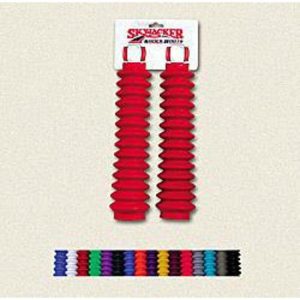

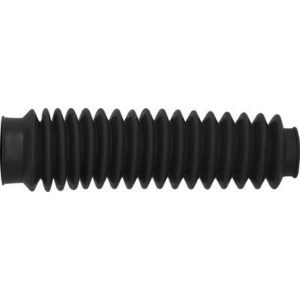


Shock boots keep grit and water off a lifted shock's shaft and seal. How to size, vent and inspect one, when it can trap…
Shock Absorber Boot
Showing 13–24 of 76 resultsSorted by popularity
What a shock boot does
The polished shaft of a shock moves in and out of the body through a seal. Dirt, mud, sand and road salt that stick to the shaft get dragged across that seal, which can scratch the shaft and lead to leaks over time. A boot covers the shaft and keeps contaminants away. Boots are especially common on trail rigs, desert vehicles and any vehicle that sees dusty or muddy roads.
How to choose
Boots are sold in pairs and generally in a few common styles. Poly-vinyl boots are flexible and stretch to accommodate travel. Heavier molded boots, sometimes marketed as armor, add a layer of impact protection against flying rocks. Pick the type based on your driving, and expect a lighter vinyl boot to protect against dust but not against sharp debris.
- Size: A full-size boot is long enough to cover the shaft through its whole travel. Match the boot to your shock's extended length and diameter.
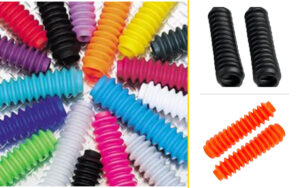
- Color: Available in black, gray, white and bright colors. Color is cosmetic, so choose what suits the build.
- Mounting: Most use zip ties or clamps at each end, and some slide over the shock before the bushings go on.
Specs to compare
Check the stated length range and inside diameter, since a boot that is too short will pull off or bunch up and one that is too long can collapse and interfere with movement. Look at the material and whether the listing describes UV resistance, because sun-baked vinyl cracks eventually. Confirm whether the set covers two shocks, which matches the usual axle pair, and whether hardware like ties is included.
Installation notes
If the shocks are already installed, you can usually fit a boot by unbolting one end of the shock, sliding the boot on and refastening. Torque the shock mounting hardware to the manufacturer's specifications, and support the axle when you work so it does not drop. If you are replacing shocks anyway, install the boots first while the shock is off the vehicle.
A boot is a protective accessory, not a fix for a leaking shock. If you see oil on the body or the ride has gone soft, the shock itself needs replacement. Clean the shaft before installing a boot so no grit gets trapped under it. Confirm that the boot fits your shock's diameter and length, and read the manufacturer's specifications. Check boots now and then for tears and for water or mud trapped inside.
Maintenance and common mistakes
Inspect shocks and boots whenever the vehicle is up on a lift or jack stands. Slide the boot aside if it is not sealed and look at the shaft for pitting, scoring or oil film. A light dusting of dirt on the outside of a boot is normal. Oil coming through the boot, a bent shaft or a loose boot that has slid down all call for attention.
A common mistake is installing a boot over a dirty shaft, which traps grit against the seal. Another is choosing a boot that is too short, so that it bottoms out or slides off with full travel. Overtightening a zip tie can crush a thin boot, so snug it without deforming the material. Cheap clamps may loosen with vibration, so check them after the first drive.
On vehicles with reservoir shocks or remote canisters, make sure the boot does not interfere with hoses or clamps. If your shocks have an integrated dust shield, an extra boot may not be needed, so check the shock manufacturer's guidance before adding one.
Related guides
- Shock Boots: Why Every Lifted Shock Needs One
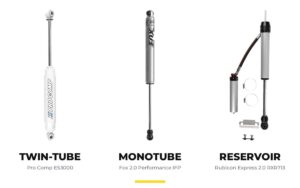
- Twin-Tube, Monotube or Reservoir: Picking the Right Shock
Twin-tube, monotube and reservoir shocks compared: how each handles heat, how to size one for your lift, and which design fits how you drive.
Popular Shock Absorber Boot brands
- Pro Comp Suspension (43)
- Daystar (16)
- Skyjacker (8)
- Tuff Country (2)
- ICON Vehicle Dynamics (2)
- Fabtech (2)
- Rough Country (1)
- Warrior (1)
- Rancho (1)
Shock Absorber Boot FAQ
Do shock boots really protect the shock?
They help by keeping abrasive dirt and mud off the shaft so it does not wear the seal. They do not stop all damage, and a rock strike can still hurt a shock. They are useful on dusty or muddy trails.
Will a boot fit any shock?
No. The boot needs to match the shock's body diameter and its extended length. Compare the listing's size range to your shock's dimensions, and note that longer-travel shocks may need longer boots.
Can I install a shock boot without removing the shock?
Often yes, by unbolting one end of the shock, sliding the boot over it and refastening. Some boots are split or zip on. Support the axle and torque hardware to specification when reassembling.
Do shock boots trap heat or moisture?
Boots can hold moisture if poorly sealed, so clean the shaft first and check the boot occasionally. Normal use does not usually cause shock heat problems, but follow the shock manufacturer's guidance.